A l’any 2017 es van concedir al centre 1 beca Erasmus+ per a alumnat i 2 per a professorat en el projecte KA103 (2017-1-ES01-KA103-037140).
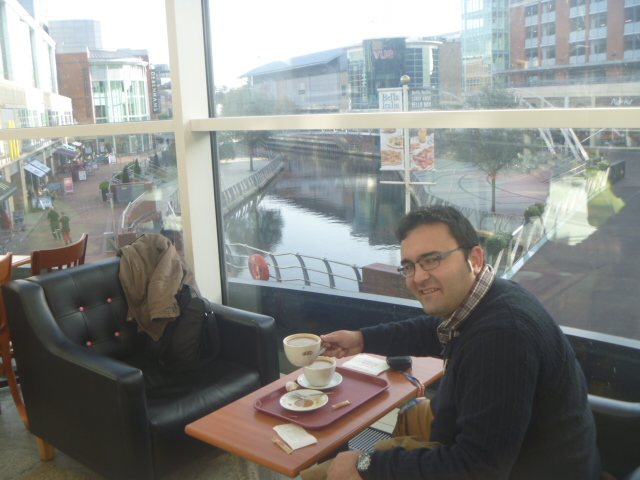
L’alumne escollit va ser Mario Ferreres Cabanes, de 2n curs del cicle de Formació Professional d’Administració i Finances. La mobilitat va consistir en la realització de pràctiques formatives (FCT) en una empresa a Sofia, Bulgària, de març a juny de 2018, finançades pel programa europeu Erasmus+. L’experiència per a l’alumne va ser molt positiva. Mai havia viatjat sol a l’estranger i va conèixer la cultura i hàbits d’un país diferent del nostre.
La tutora de pràctiques a Sofia sabia castellà i això va facilitar la integració de Mario en el país. Al pis, compartit, va coincidir amb dos xics italians. Després de 3 setmanes l’alumne va romandre sol al país, perquè l’alumnat italià havia acabat el període de pràctiques.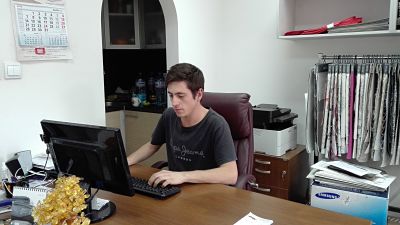
Durant l’estada, a banda de realitzar pràctiques administratives a l’empresa, va fer amistats amb altres alumnes Erasmus.
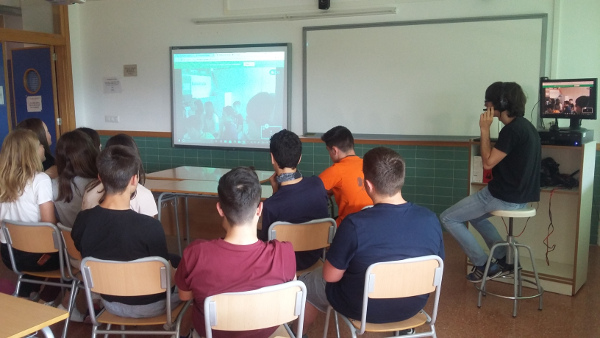
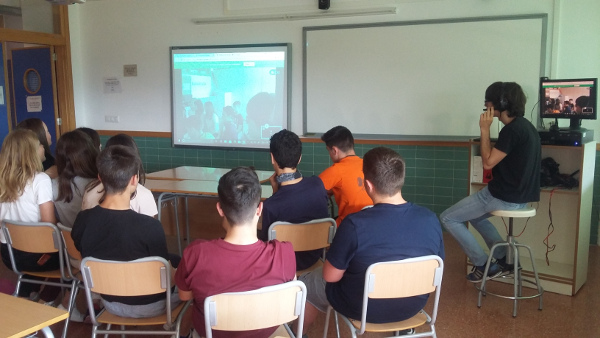
L’alumne va difondre l’experiència mitjançant un escrit, publicat al juny de 2018, a la revista del centre (s’editen 500 exemplars que es reparteixen entre tota la comunitat educativa i el futur alumnat del centre) i una xarrada a l’alumnat de 4t d’ESO i Formació Professional.
Per part del professorat, dues docents del centre, Anna Beltrán i Vicky Alegre, van tindre l’oportunitat de visitar el passat mes de setembre de 2018, l’Institut Tècnic Comercial Estatal Abba Ballini, a Brescia (Itàlia), on van viure una experiència molt enriquidora que hem viscut aquest inici de curs.
L’objectiu era fer un job shadowing, és a dir, un treball d’observació per informar-se com funcionael sistema educatiu en un altre país de la Unió Europea, impulsar projectes d’intercanvi entre dos centres europeus i cercar empreses on el nostre alumnat de cicles puga anar a realitzar les pràctiques formatives.
En aquest centre imparteixen cicles de Formació Professional d’Administració, Finances, Màrqueting, Relacions Internacionals i Turisme. Els estudis de formació professional en una escola tècnica com és Abba Ballini tenen una durada de 5 anys, de manera que els/les alumnes, tenen normalment entre 14 i 19 anys.
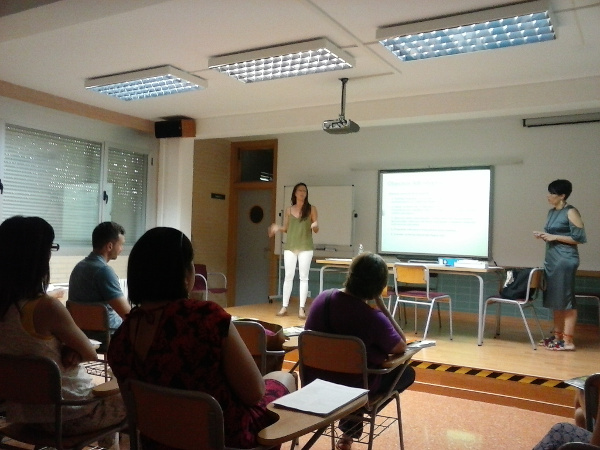
Per difondre l’experiència van realitzar un article per a la revista del centre (publicat al juny de 2019) i una xarrada per al claustre del professorat (clica ací per veure la presentació). La direcció del centre va publicar a les xarxes socials i la pàgina web de l’institut, a més de a les webs dels mitjans d’informació comarcals, informació sobre els projectes europeus del centre.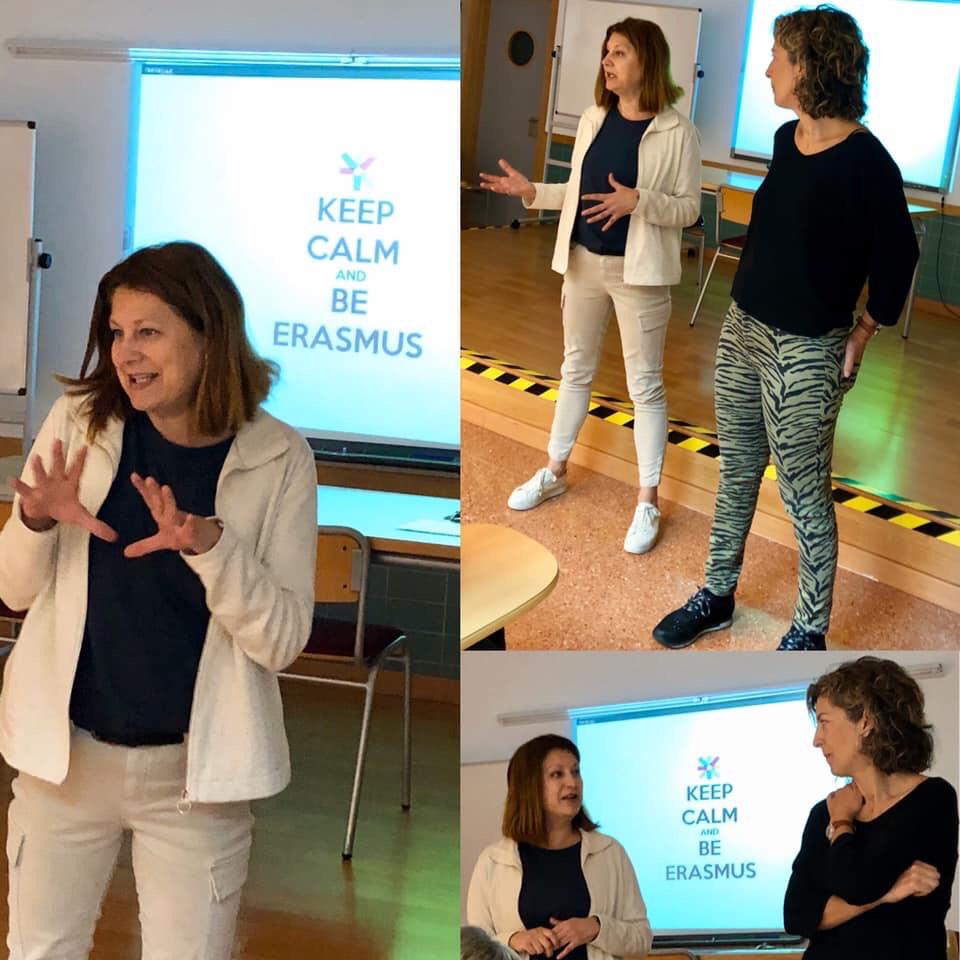
A continuació adjuntem un extracte de l’article de la revista on, a banda dels objectius aconseguits, són molt importants les relacions humanes entre les persones que participen d’una mobilitat Erasmus+.
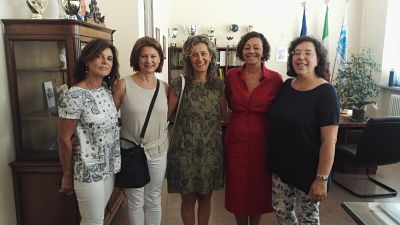
«Elena Rocca i Luigina Ruffini, a banda de ser professores d’anglés, són les responsables dels projectes internacionals. Ens van agafar de la mà i ens van acompanyar durant tota la nostra estada… Hi vam compartir classes, idees, projectes, vam visitar empreses i més enllà de tot el tema professional, vam trobar unes col·legues-amigues que ens van obrir les portes de la seua casa i de les seues famílies…
Elena i Luigina, dues professionals apassionades per la feina, i també dues ànimes viatgeres que ens van ensenyar no només com és i com funciona el sistema educatiu italià sinó també el significat de paraules com generositat, entrega, compromís, entusiasme, professionalitat, passió… i més i tot! Elles i tots els companys i amics que ens van presentar van aconseguir que per a nosaltres haja sigut una experiència INOBLIDABLE!
Com a resultat d’aquest viatge, han sorgit diversos projectes il·lusionadors en els quals els protagonistes sereu vosaltres, els/les alumnes de l’IES Maestrat i esperem que us resulten tan gratificants com ho ha estat per a nosaltres.
El primer d’aquests projectes es tracta d’un intercanvi d’alumnes, és a dir, rebre alumnes d’aquesta escola italiana a les vostres cases durant 3-4 dies, i després, viatjar vosaltres a Brescia a passar uns dies amb aquests.
És, sens dubte, una oportunitat fantàstica que si teniu ocasió… no us podeu perdre!!
Un altre projecte que portem entre mans és que el nostre alumnat de cicles puga fer les pràctiques formatives en una empresa de Brescia. Amb aquest fi, i de la mà de les nostres col·legues, vam visitar diverses empreses, i en concret una d’aquestes ens va semblar molt adient, al tractar-se d’una empresa capdavantera en el seu sector, amb presència a 51 països (4 continents).
Hem tingut una experiència tan positiva que des d’ací, ens agradaria animar-vos a gaudir d’aquest tipus d’oportunitats que avui en dia ens ofereix la oferta formativa.»
Per veure la promoció a les webs locals i comarcals cliqueu ací.
___________________________________________________________________
We discover new countries and new friendships with Erasmus + 2017: Bulgaria and Italy.
In 2017, our school was awarded 1 Erasmus + scholarship for students and 2 for teachers in the KA103 project (2017-1-ES01-KA103-037140).
The selected student was Mario Ferreres Cabanes, in the 2nd year of Business Administration and Finance Vocational Training. The mobility consisted of doing an internship (FCT) in a company in Sofia, Bulgaria, from March to June 2018, funded by the European Erasmus + programme. The experience for the student was very positive. He had never travelled abroad alone before, and he got to know the culture and habits of a country different from ours.
His internship mentor in Sofia knew some Spanish and this facilitated Mario’s integration into the country. He lived in a shared flat with two Italian boys. After 3 weeks, he started living alone because the Italian students had finished their internship.
During his stay, in addition to doing an administrative internship in the company, he made other Erasmus students friends.
The student disseminated his experience through an article, published in June 2018, in the school magazine (500 copies are published and distributed among the whole educational community, and prospective students of the school), and a talk to students in the last level of Compulsory Secondary Education and Vocational Training students.
Regarding teachers, two of our school teachers, Ana Beltrán and Vicky Alegre, had the opportunity to visit Abba Ballini State Technical Commercial School in Brescia (Italy) in September 2018, where they lived a very enriching experience at the beginning of that school year, which we also lived thanks to them.
The aim was to do job shadowing, that is, an observation task to find out how the education system of another country of the European Union works; to promote exchange projects between two European schools, and to look for companies where our Vocational Training students can go to do an internship.
In this school, students can study Vocational Training in Business Administration, Finance, Marketing, International Relations and Tourism. Vocational training studies in a technical school such as Abba Ballini have a duration of 5 years, so students are usually aged 14- 19 years old.
To disseminate their experience, they wrote an article for the school magazine (published in June 2019), and gave a talk to their school teachers (click here). The school management team published information of the school European projects on social media and on the school website, and also on local media websites.
Below there is an excerpt from the magazine article, which shows that the objectives achieved are very important, but also human relationships among people participating in an Erasmus + mobility.
“Elena Rocca and Luigina Ruffini are English teachers, and they are also in charge of international projects. They took us by the hand and accompanied us throughout our stay,… We shared lessons, ideas, projects; we visited companies, and beyond the professional side, we made some colleagues friends who opened the doors of their home and their families,…
Elena and Luigina, two professionals passionate for their job, and also two travelling souls who taught us not only about the Italian education system, but also the meaning of words such as generosity, dedication, commitment, enthusiasm, professionalism, passion…. and a lot more! They- and all of the colleagues and friends that they introduced us- made this experience UNFORGETTABLE!
As a result of this trip, several exciting projects have emerged in which you, the students of IES Maestrat, will be the protagonists, and we hope that you find them as rewarding as they are for us.
The first of these projects is a student exchange, that is, receiving students from this Italian school in your homes for 3-4 days, and then you travel to Brescia to spend a few days with them.
It is, without a doubt, a fantastic opportunity that if you have the chance … you can’t miss!!
Another project we are working on is that our Vocational Training students can do an internship in a company in Brescia. To this aim, and with the help of our colleagues, we visited several companies, and in particular one of them seemed very appropriate as it is a leading company in its sector, with a presence in 51 countries (4 continents).
We have had such a positive experience that from here, we would like to encourage you to enjoy this type of opportunity that the formative offer gives us today. “
To see the promotion on local and regional websites click here.