Etwinning 2024-2025

TEENAGER REALITIES, PROJECTE ETWINNING 2024-2025

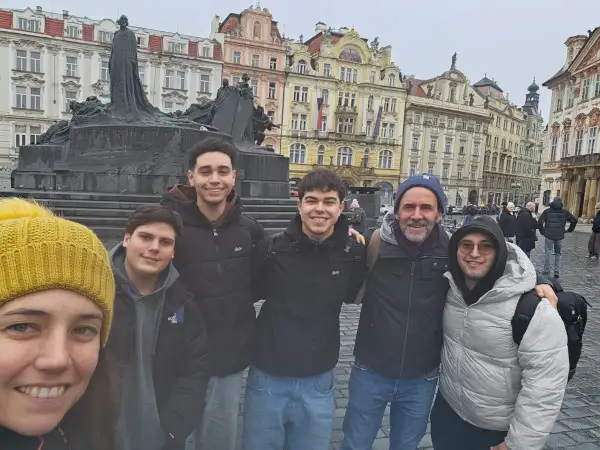
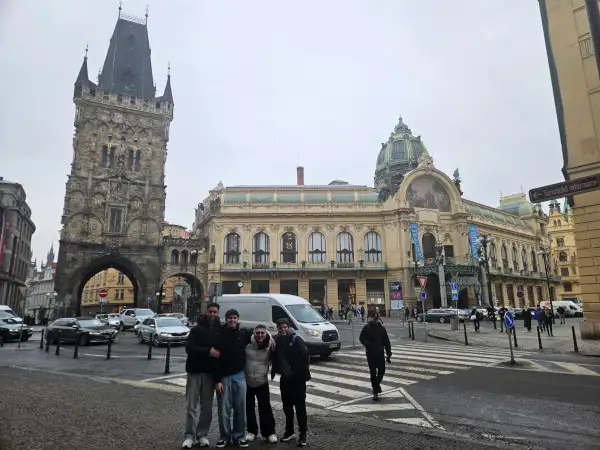
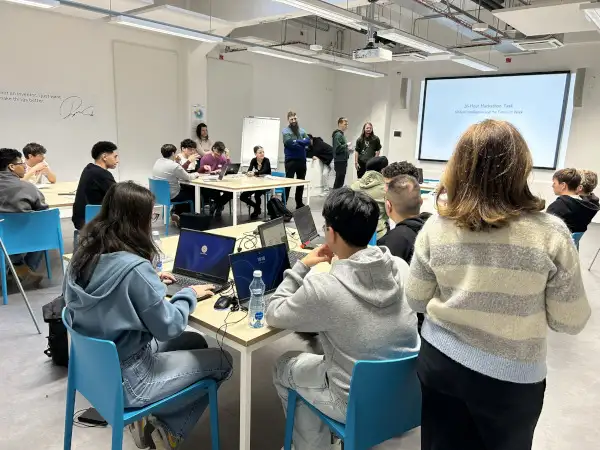
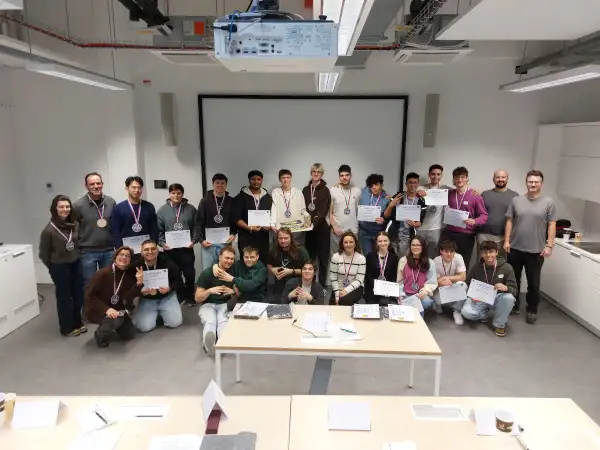
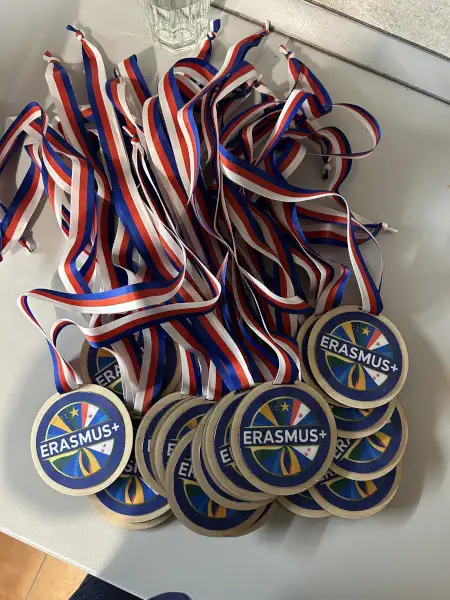
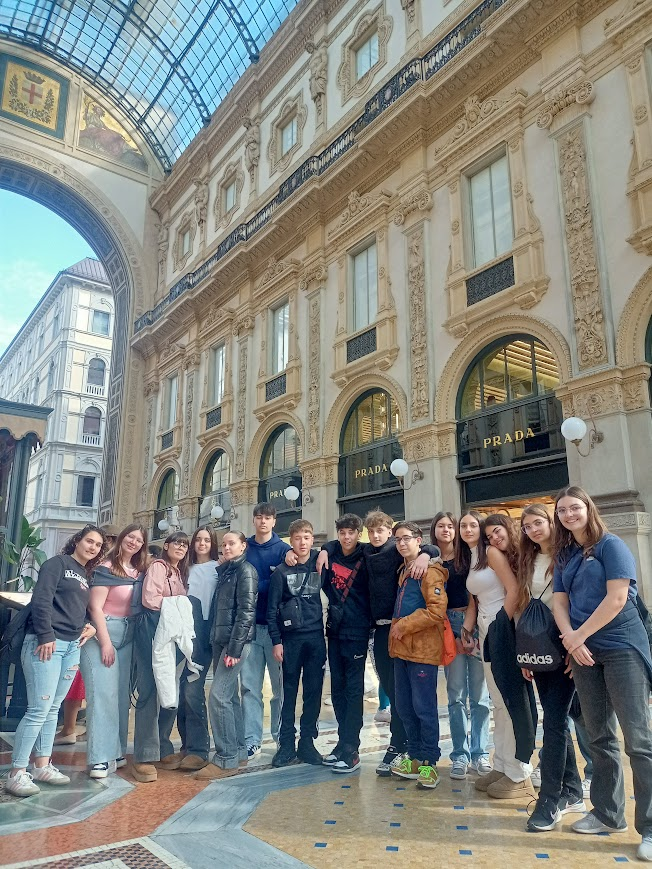
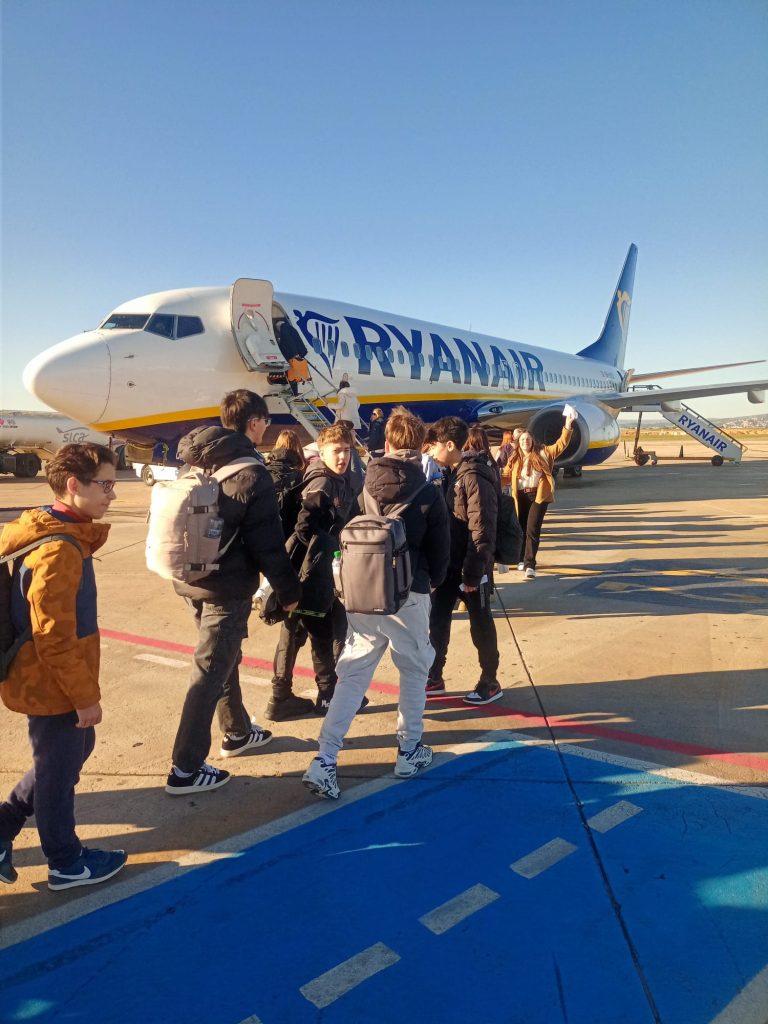
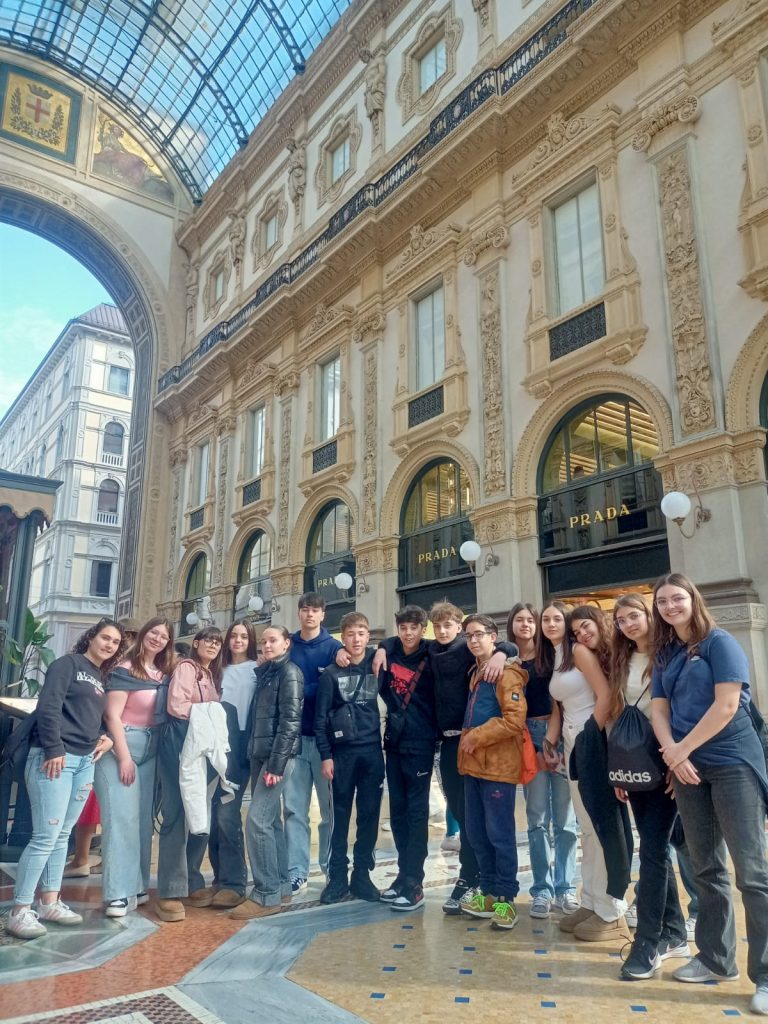
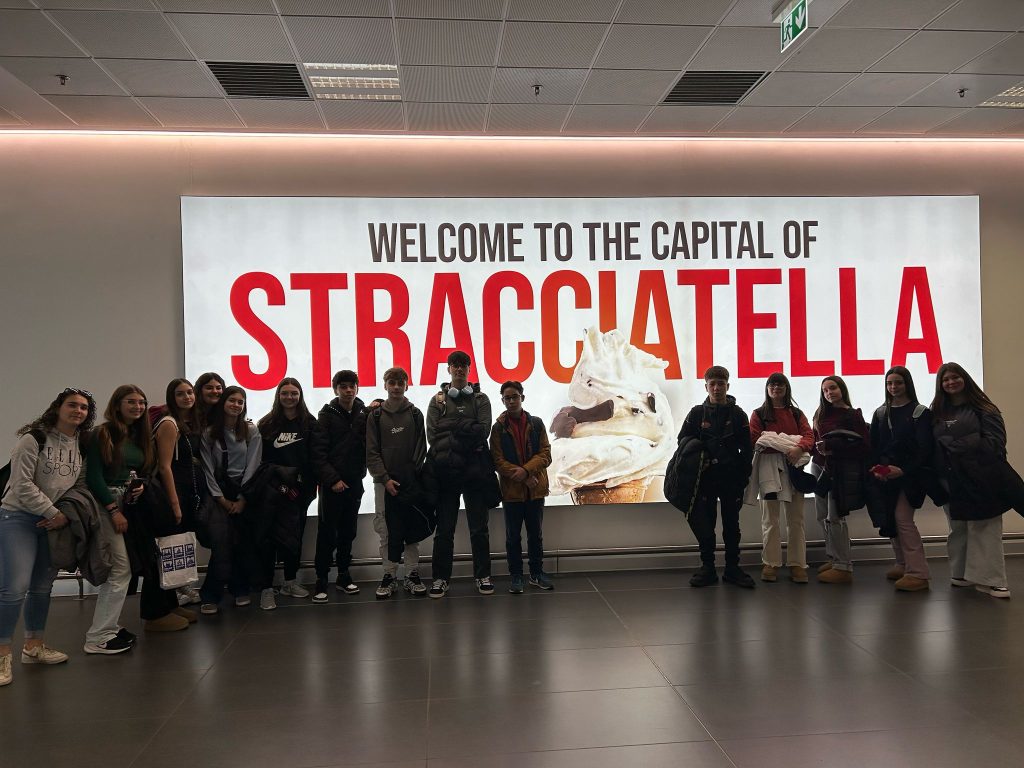
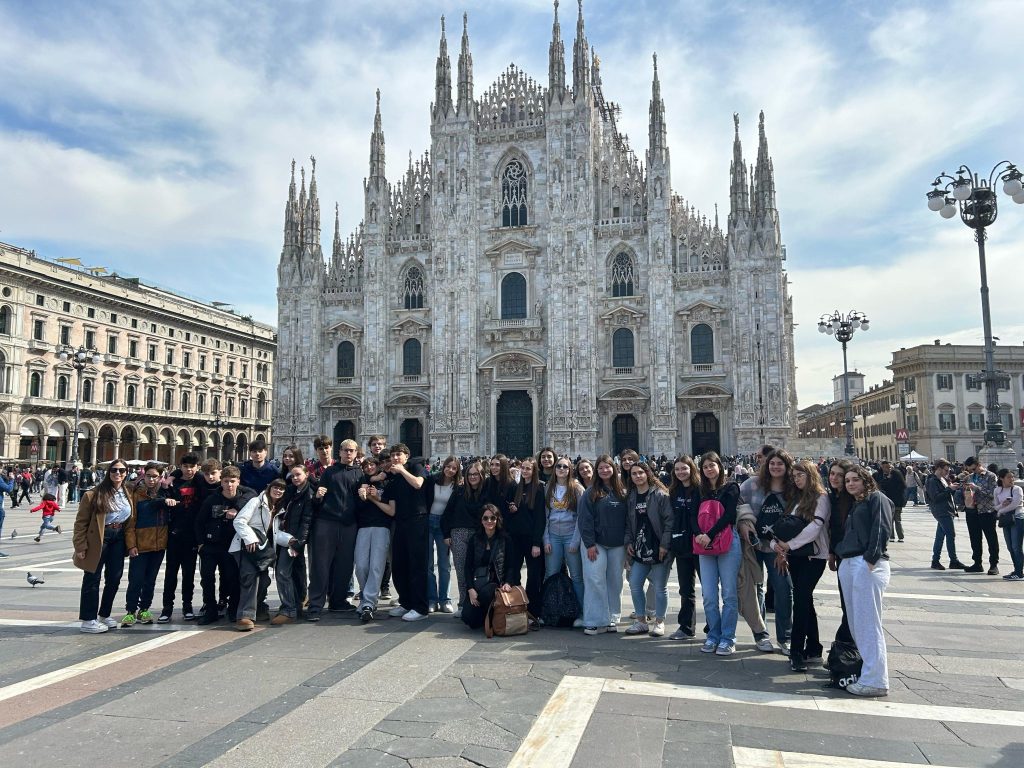
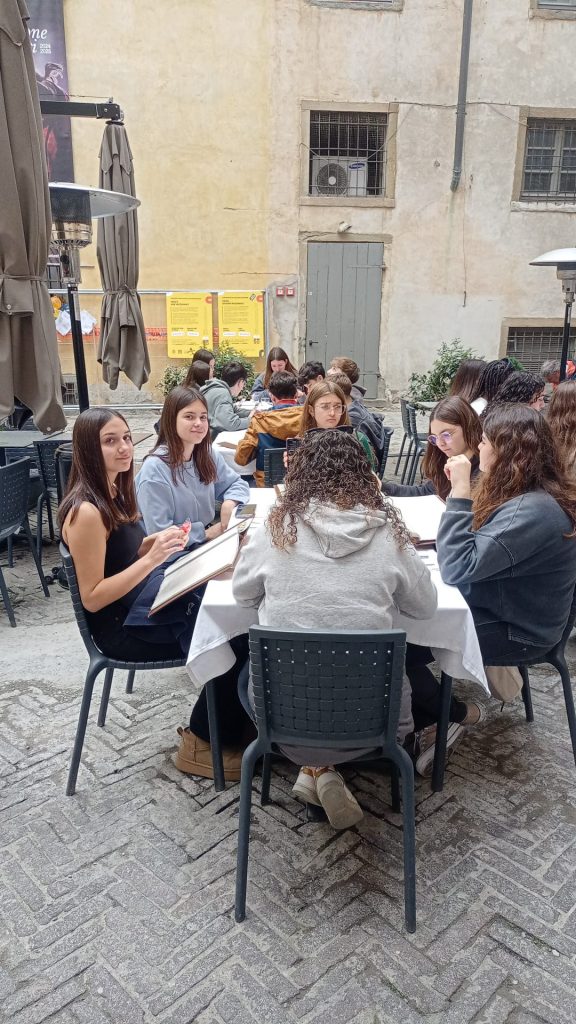
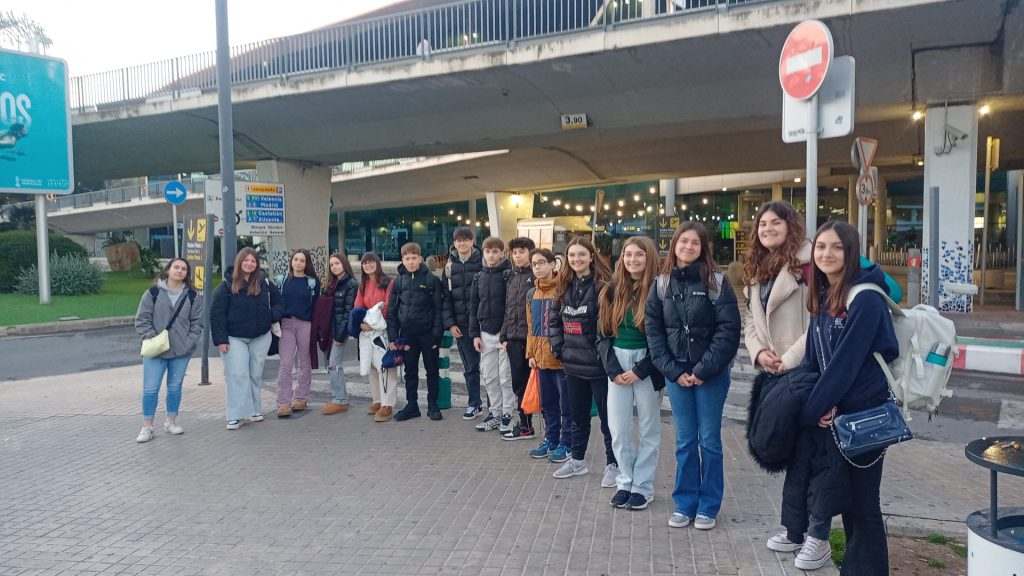
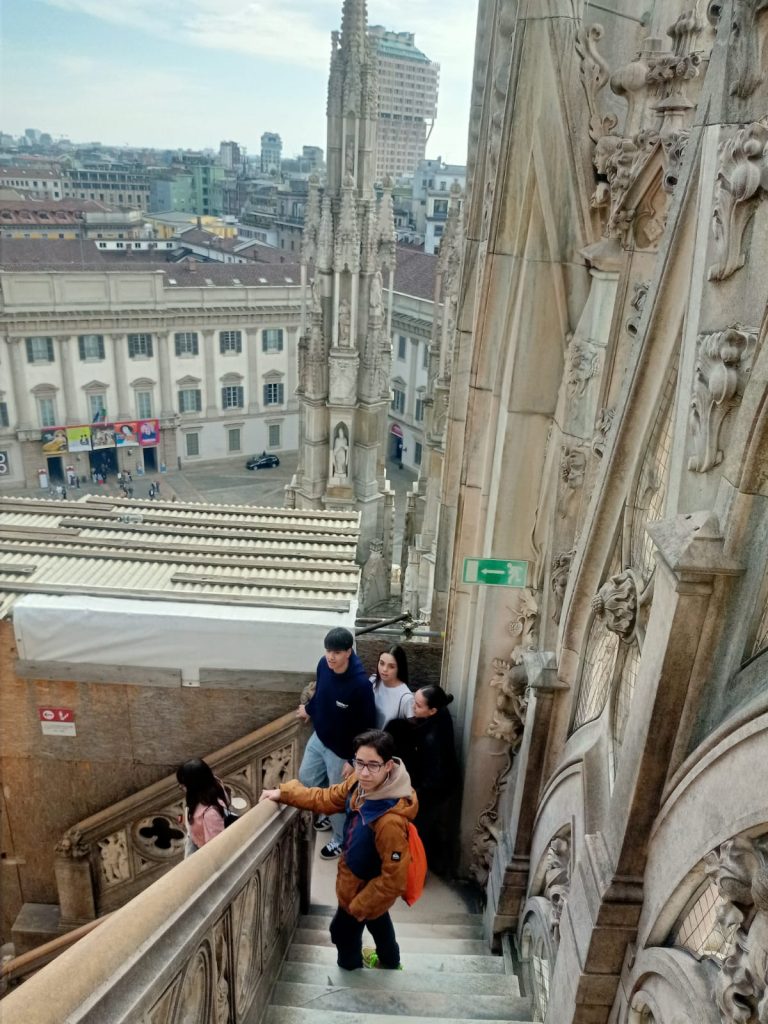
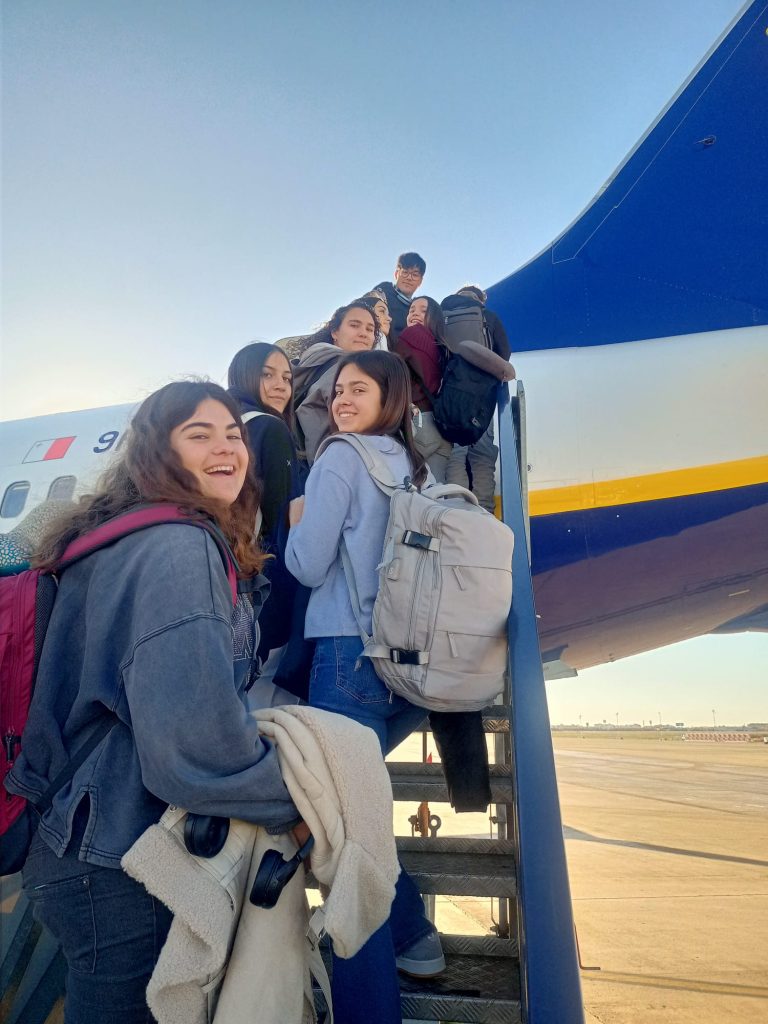
Després de 6 anys, torna a tindre lloc a l’IES Maestrat un intercanvi d’estudiants amb l’alumnat de l’optativa de 3r d’ESO Intercanvi Cultural i l’alumnat de l’institut Abba Ballini de Brescia, Itàlia, que a través del projecte europeu etwinning ‘Teenager realities’ han anat coneixent el seu entorn i la seua cultura i han pogut posar en pràctica tot allò aprés mitjançant una estada de 3 dies en cada país.

Durant l’intercanvi, els estudiants van tenir l’oportunitat de viure amb una família amfitriona, assistir a classes i participar en activitats culturals. Això els va permetre submergir-se en una nova cultura, tastar menjars típics i fer amics. A més a més, enfrontar-se a un entorn desconegut els va ajudar a desenvolupar la seua independència i confiança, a obrir la ment i a aprendre a ser respectuosos i tolerants amb altres cultures.

A l’ IES Maestrat creem que els beneficis d’aquests tipus de projectes són innumerables, ja que contribueixen al desenvolupament personal, acadèmic, cultural i social del nostre alumnat. Però què en pensen elles i ells?

Aquest viatge m’ha aparegut molt natural, sobretot per la confiança que podies tindre en la teua parella d’intercanvi durant els tres dies que vam estar. A més, el menjar i els llocs que hem visitat han sigut magnífics i hem pogut no sols observar, sinó viure una cultura diferent.

Alex

Ens ho hem passat molt bé coneixent un país diferent i la seua cultura i hem conegut gent nova com les famílies d’acollida que ens han tractat molt bé. Ha sigut una experiència inoblidable que tornaria a repetir. 

Leire 

Per a mi l’intercanvi a Itàlia ha sigut una experiència increïble i m’ha agradat moltíssim

Ainhoa

“Personalment,  m’ha paregut una activitat molt divertida que ens ha servit per a conèixer altres cultures, per aprendre un poc d’italià i també per a practicar l’anglés. Nosaltres ja hem anat, ara vindran ells i espero que gaudisquen el mateix o més que nosaltres. Opinió: 10/10”

. I thing this was a very good experience and I recommend  it a lot because we learnt a lot of things like another culture, people in another country…, and this experience helped me to be more independent and make new friends. I really recommend it!

· Pienso que esto ha sido una muy buena experiencia y la recomiendo mucho ya que hemos aprendido cosas de otra cultura, como es allí la gente… Y además, esta experiencia me ha ayudado mucho a ser mas independiente y a hacer nuevos amigos y amigas.

· Penso que això ha sigut una molt bona experiència i la recomano molt ja que hem aprés coses d’ una altra cultura, com és la gent en un altre país… A més, aquesta experiència m’ ha ajudat a ser més independient i a fer nous amics i amigues.

Livia

etwinning, final essay

FinalEssayImg

Analysis of eating habits

By: Èrik Artigas Reverter

FinalEssayImg

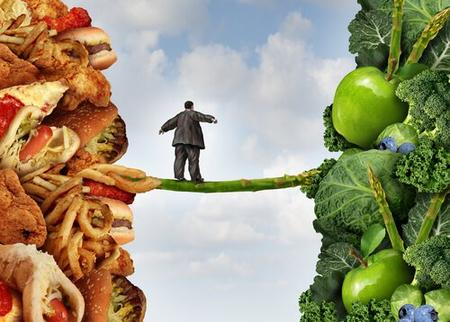
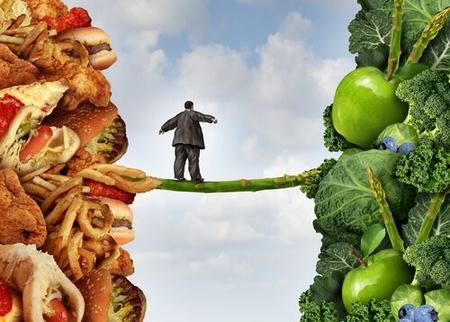
In this essay we are going to analyse the results of the survey on eating habits, comparing our eating habits with those of the older generation from a healthy point of view, considering both the social and historical context, and we are also going to write about how we could improve our diet to be healthier, and will reflect on the importance of eating healthily. We are going to focus on our Mediterranean diet and our traditional cuisine.

1) Evolution of eating habits during youth

About 400 elders and teenagers have been surveyed about their youth because we wanted to know how our eating habits have changed from the Civil War to nowadays.

First, we analyzed eating habits after the Civil War. We observed that the food was scarce and little diverse. So, we could observe that there were a lot of cases of undernourishment inasmuch as there was just oil, rice, pulses and bread. Therefore, the government established a rationing system.
But that wasn’t enough, so people had to go to the black market ( estraperlo ) and/or exchange food with other farmers. In addition, families had to increase the number of children.
Secondly, we analyzed eating habits nowadays.
We observed that the cheapening of food has ended with undernourishment. Also, we observed that the cheapening of food and the social pressure have produced an increase in cases of obesity and anorexia.
During all this time, the globalization and the economic improvement of the country have caused an increase in the number of times people eat per day and in the number of children per family.
In conclusion, we’ve understood that we have just changed one problem for another.

2) How can we improve our diet? Why?

If we want to improve our diet we should prioritize proximity products ( no globalization ).
We also shouldn’t eat any prefabricated products because they have strange substances which can’t be digested by us.
Finally, we should prioritize the Mediterranean diet which is composed mainly of vegetables and fruits, that is, reduce the consumption of meat and fish.
If we don’t do it, all of us could become obese, have heart attacks . . .

3) What’s the Mediterranean diet?

The Mediterranean climate allows us to grow a great variety of vegetables and fruits.
So, the Mediterranean diet is undoubtedly the most complete and varied diet in the world.
The most important element of this diet is ‘olive oil’ because it has simple fats which are better than the rest. In fact, scientific studies have shown that olive oil reduces the chances of suffering from cardiovascular disease or obesity. To sum up, the Mediterranean diet consists of a lot of fruit and vegetables, olive oil, blue fish and a bit of wine.

In conclusion, we could say that in the past people had to make an effort to eat because food was scarce, and nowadays we have to make an effort to eat healthily because there is a lot of junk food. We must be aware of the fact that eating healthy is very important to feel good, be happy and, of course, live for many years. We should take it seriously. It’s really worth.

etwinning, enquesta

SURVEY ABOUT EATING HABITS IN YOUTH


  1. Gender: male/ female


  1. Age: 15-16 >70


  1. Number of people who live / lived in your house:


  1. What is / was your parents’ job?


Father: primary – secondary – tertiary sector

Mother: primary – secondary – tertiary sector


5. QUESTIONS ONLY FOR THE ELDERLY

What was the economic situation of your family?


Did you have a ration book?


What kind of food did they give you in the ration book?


6. How many times a day do you eat/ did you eat? 1 – 2 – 3 – 4 – 5 – 6


7. Are there / Were there any eating disorders among the young people that you know / knew?


Yes /No


What type? Obesity – anorexia – bulimia – malnutrition – undernourishment


8. What do you / did you usually eat? Write an X in the frequency you eat / ate the following food:


Every day

2-3 days a week

Occasionally

Never

Meat


Fish


Rice


Bread


Pasta


Legumes


Fruit


Vegetables


Milk/dairies


Oil


9. Is / Was the food that you eat/ ate grown at home or bought?


Grown at home mainly- bought mainly – both


What animals do /did you have for consumption?


What products do you / did you grow?


10. Do you / did you eat pre-cooked products?


Every day – sometimes – occasionally – never


11. Do you / Did you eat chocolate or sweets?


Every day – sometimes – occasionally – never


12. How many times a week do you/ did you eat out (bar, café, restaurant)?


Never – at the weekend – every day


eTwinning, introducció

El present curs acadèmic 2017-2018, l’ I.E.S. Maestrat ha dut a terme el projecte interdisciplinar Let’s eat! amb l’ institut Abba Ballini de Brescia, Italia; i l’ institut Elstertalschule – Freie Gemeinschaftsschule de Greiz, Alemania, mitjançant la plataforma europea etwinning. Aquest projecte ha sigut creat pels Departaments d’ Anglés i Informàtica, però han contribuït el Departament d’ Història, el Departament de Ciències i el Departament de Plàstica; i ha estat adreçat als alumnes de 4t i de 1r d’ Educació Secundària Obligatòria.

L’ objectiu era per una banda que els alumnes reflexionaren sobre la seua dieta i trobaren maneres de millorar-la, analitzant també quina era la dieta de generacions anteriors i els motius d’ aquesta evolució. Per altra banda, també es pretenia que els alumnes es trobaren amb la necessitat de comunicar-se en anglés per poder entendre’s amb els alumnes estrangers i descobrir quins eren els seus hàbits alimentaris i en què consistia la seua cuina tradicional.

La nostra idea és seguir treballant amb aquests instituts el proper curs acadèmic amb la intenció de poder realitzar un futur intercanvi d’ estudiants perquè els alumnes puguen gaudir dels plats dels respectius països.

En la pàgina web del nostre centre podreu trobar alguns dels documents digitals que els alumnes han realitzat. Estem segurs que els trobareu interessants. Nosaltres estem molt contents amb els resultats però seguirem treballant per millorar.

  1. Vídeo promocional de l’ I.E.S. Maestrat, per a donar a conéixer el nostre centre
  2. Enquesta d’hàbits alimentaris
  3. Informe sobre l’enquesta d’hàbits alimentaris
  4. Vídeo sobre Pasqua
  5. Receptes de cuina tradicionals
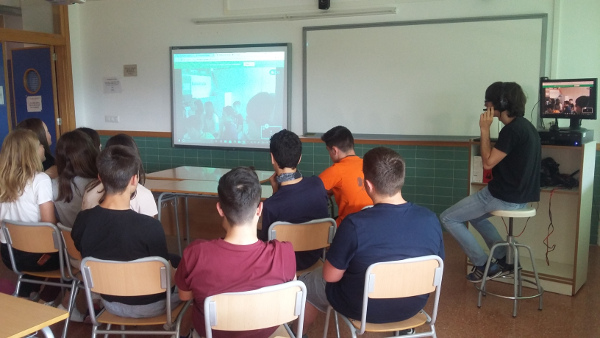
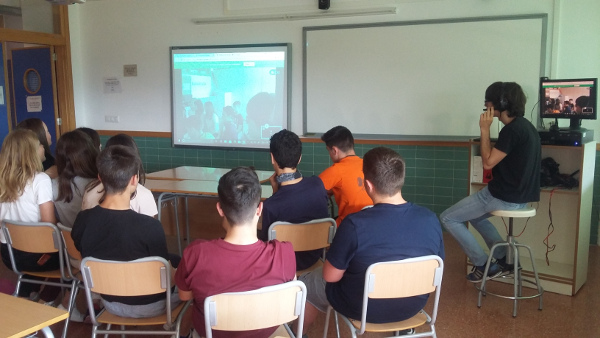
  6. Vídeo conferència amb els alumnes de Brescia
  7. Essay final

Avís de privacitat

Este lloc web utilitza només cookies tècniques necessàries per al seu funcionament. No s’emmagatzemen dades amb finalitats publicitàries ni es comparteixen amb tercers. S’utilitza analítica interna sense cookies, i només es recull la IP amb finalitats de seguretat.

Veure política de cookies