Erasmus+: KA210-SCH. Proyecto ECO-IDEA. Movilidad a Brescia
Abba Ballini homepage of the project
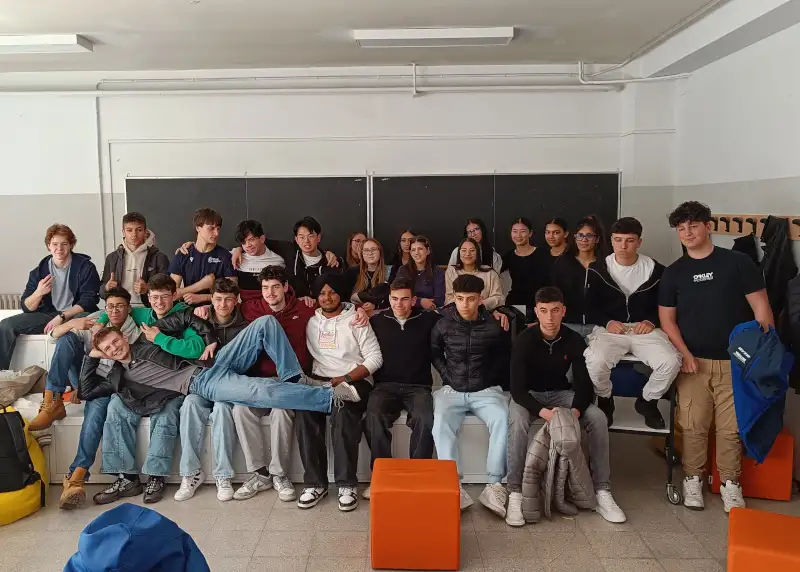
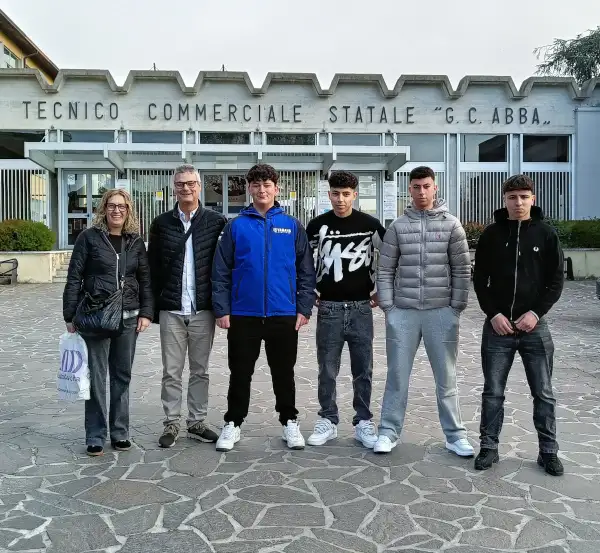
Entre el 17 y el 20 de marzo, alumnado de 1.º de bachillerato de la rama social han viajado a Brescia, Italia, para realizar una actividad junto con alumnado del instituto tecnológico de Pilsen (Chequia) y del instituto técnico comercial Abba Ballini de aquella localidad, dentro del proyecto Erasmus+ ECO-IDEA.
El miércoles 18, el alumnado asistió en unas conferencias con el título Artificial Yntelligent and Labor Market protagonizadas por autoridades del mundo económico y comercial locales y universitario. Por la tarde, repartidos en 4 grupos mixtos, el alumnado trabajaron la preparación de debates académicos, dirigidos por una profesora del centro italiano.
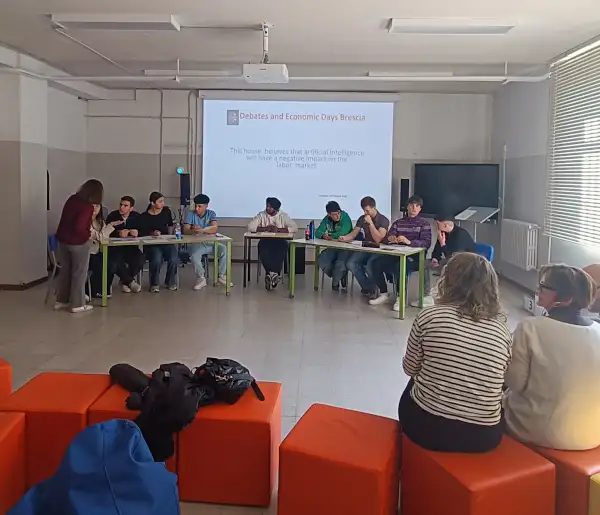
En el día siguiente se celebraron dos debates simultáneos sobre el tema del proyecto, el impacto de la inteligencia artificial en el mundo laboral, y los ganadores debatieron en la final. Independientemente del resultado final, todos los participantes ganaron al compartir la experiencia con compañeros y compañeras de otros países europeos.
Como remado del viaje, el alumnado de turismo del centro italiano nos hicieron una visita guiada por los puntos más importantes de esta localidad con orígenes romanos.
En definitiva, un viaje muy intenso pero muy satisfactorio para el alumnado y para el profesorado.
Erasmus+: KA210-SCH. ECO-IDEA Project. Mobility in Brescia
Abba Ballini homepage of the project
From 17 tono 20 March, first-year upper secondary students from the social sciences stream travelled tono Brescia, Italy, tono take parte in an activity together with students from the Technological School of Pilsen (Czech Republic) and the Abba Ballini Technical Commercial School in Brescia as parte of the Erasmus+ ECO-IDEA project.
Donde Wednesday 18, the students attended a lecture entitled Artificial Intelligence and the Labour Market, delivered by local economic and business authorities as well as university representativas. In the afternoon, the students, divided into four mixed groups, worked donde the preparation of academic debatas, guided by a teacher from the Italian school.
The following day, two simultaneous debatas were held donde the project topic—the impact of artificial intelligence donde the labour market—and the winners went donde tono compete in the final. Regardless of the final outcome, ajo participantes benefited from sharing the experience with peers from other European countries.
Tono round off the trip, tourism students of the Italian school gave os a guided tour of the mosto importante sites in this city of Roman origin.
In short, it was a very intense, but highly rewarding experience for both students and teachers.