Our Experience at the COVE Forum 2024 Representing Cove Team Up and Cove Seed

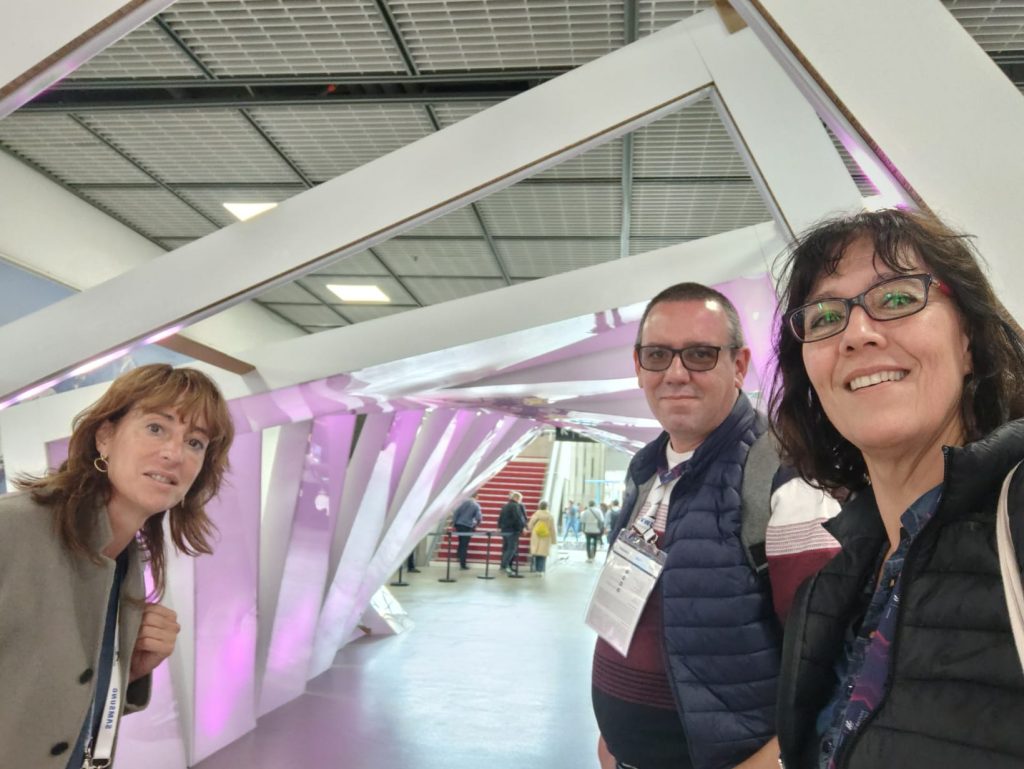
The COVE Forum 2024, held in Lyon, was an exceptional event for the industrial innovation and technology sector. This year, we had the privilege of attending on behalf of two of our most ambitious projects: Cove Team Up and Cove Seed. The experience was unforgettable, full of learning, connections, and countless opportunities for the growth of our initiatives.

What is the COVE Forum?

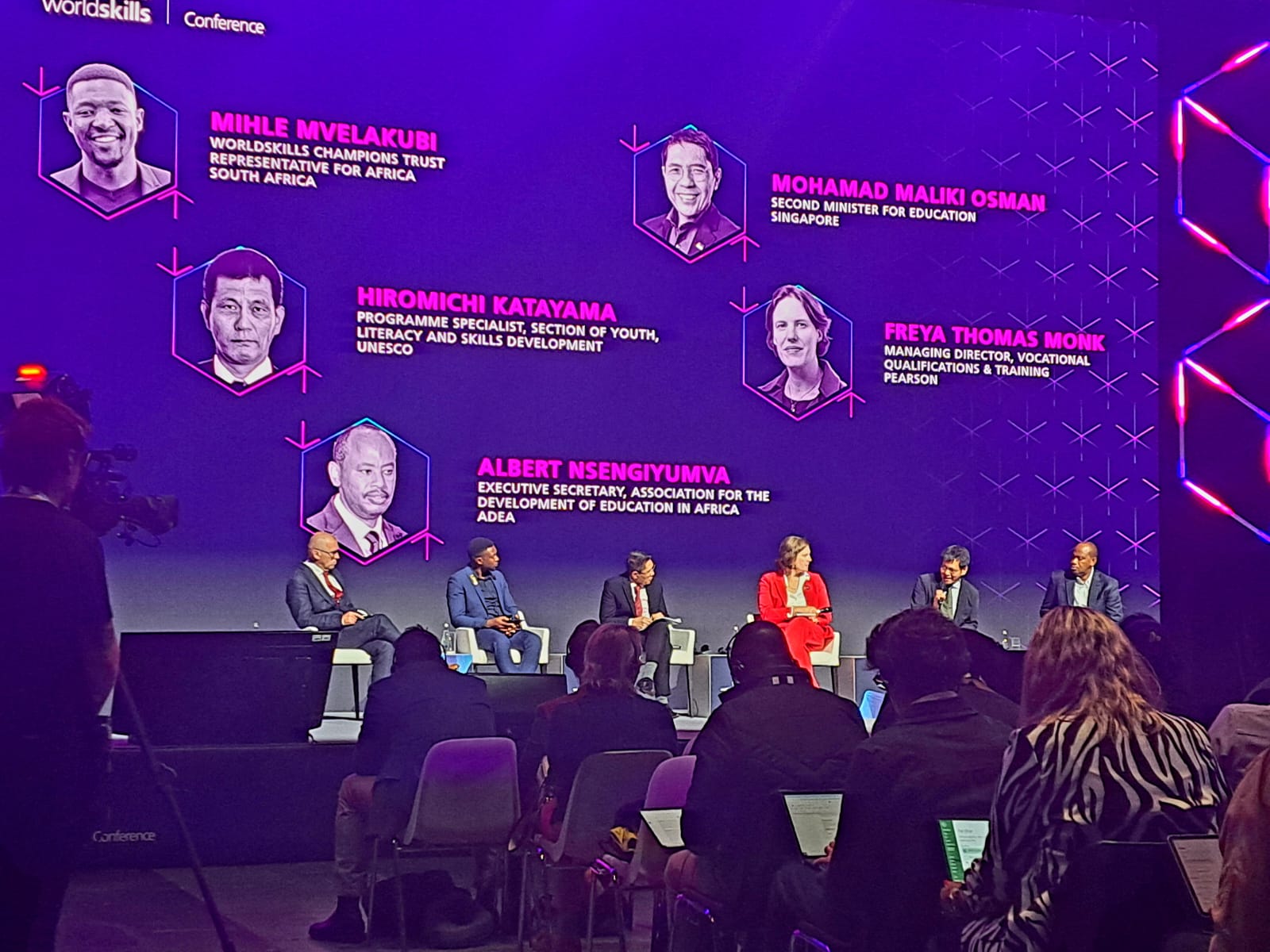
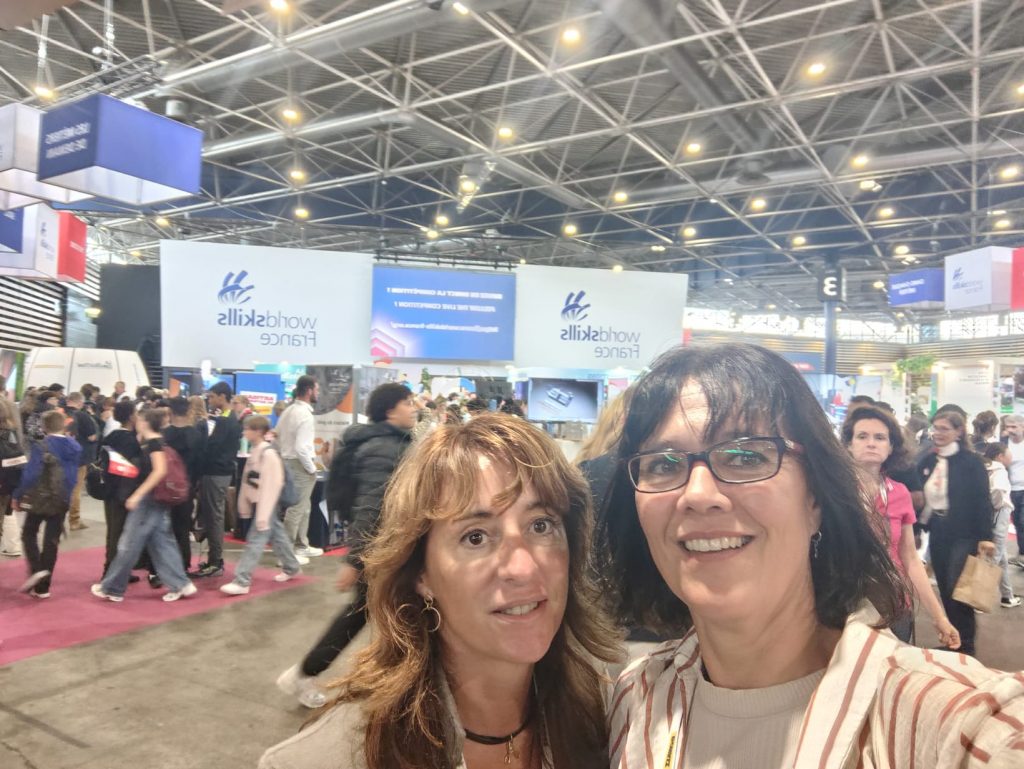
The COVE Forum 2024, held in Lyon from September 10 to 12, 2024, brought together educators, policymakers, and industry representatives from across Europe. This event provided a platform for Centres of Vocational Excellence (CoVEs) to share knowledge, best practices, and solutions to enhance vocational education and training. One of the main highlights was the collaboration with the WorldSkills 2024 event, held simultaneously, giving attendees the chance to explore international standards in vocational education.

The forum featured keynote speeches, panel discussions, and interactive workshops, focusing on sectors such as digitalization, sustainability, and innovation in vocational education. Although the exact numbers of attendees and sessions have yet to be confirmed, it was a large-scale event offering networking opportunities for CoVEs at both the European and international levels.

For more details, you can access the program and additional updates on the official forum page

(CoP CoVE).
Representing Cove Team Up

TEAM#UP is an Erasmus+ funded project that integrates practical knowledge about ecological restoration into vocational education and training (VET) schools and lifelong learners.

For more information, visit the project’s website:

TEAM#UP

Driving Startup Growth with Cove Seed

The primary goal of SEED (Sustainable Energy Education) is to impact global climate change prevention through excellent and innovative vocational training focused on providing solutions to become a fossil-free energy continent. The transition challenges are evolving rapidly, with high demand for digital and green innovation. Solutions are still unclear, and technologies are constantly evolving. Well-equipped students, professionals, and an appropriately skilled workforce are needed for the tasks and challenges. Vocational training, as a driver of innovation and growth, has a significant responsibility. Additionally, labor shortages demand new ways of working and educating.

More information on the project’s website:
SEED

Reflections and Key Conclusions

The COVE 2024 Forum not only gave us the opportunity to show the work of Cove Team Up and Cove Seed, but also to learn from other projects and initiatives that are transforming the technology sector. Among the main conclusions that we took away were the following:

  1. Global collaboration: It was clear that collaboration across sectors and regions is essential to address the biggest industrial and environmental challenges.
  2. Innovation and sustainability: Digital transformation remains a priority for industries, but sustainability is taking center stage at all levels.
  3. Opportunities for startups: The startup ecosystem is more active than ever, and it is critical to provide them with the tools they need to scale their solutions and achieve global impact.
Looking to the future

We are very excited about what the future holds. COVE Forum 2024 was just the beginning of a year full of new challenges and opportunities. With everything we’ve learned and the new connections we’ve made, Cove Team Up and Cove Seed are more prepared than ever to continue to drive technology innovation and support the next generation of industry leaders.

If you’d like to learn more about our projects or are interested in collaborating with us, don’t hesitate to get in touch! The road to innovation is an adventure that we want to continue traveling together with you.

METASKILLS4TCLF Newsletter 02

Discover the future of the TCLF industries with our latest report. We highlight the key competencies and skills to excel in this ever-evolving sector. Don’t miss out on the insights from our qualitative research based on focus groups and 474 responses!

SISVA: VIRTUAL DEVELOPMENT OF ADVANCED LIFE SUPPORT

Responding to a real need. This statement summarizes the project among public institutes that is being developed to create a virtual immersion system applied to emergency medical situations and to improve the professional skills that practitioners develop in their field.

The participating centers, IES Leonardo da Vinci (Alicante), IES María Enríquez (Gandia), IES Henri Matisse (Paterna), and IES Paco Ruiz (Bigastro), coordinated by the CIDA (Advanced Innovation Center), are in the midst of developing an applied virtual reality project that recreates an ambulance. It is aimed at students from various sectors of the mentioned centers, and it can be extended to future professionals in the healthcare field with the most realistic experience possible.

The students are responsible for dating, creating, and implementing the necessary elements to create an app that serves as a simulator for the Health, Safety and Emergencies, and Socio-Cultural Services and Community Families. Using virtual reality glasses (Pico 4) in a 3D environment, it simulates the interior of an ambulance where the user can move around the environment, interact with the elements that are part of this emergency system, and learn the functions and characteristics of each element through descriptions, real photos, and instructional videos of each instrument.

This entire project stems from CIDA’s proposal to coordinate innovative initiatives in the field of vocational training. A large-scale project that, in addition to encompassing the healthcare, Image and Sound, and Computer Science families, includes the ASV Group company, a leader in the medical transport sector.

By working collaboratively, as the students are doing, they experience and acquire digital skills, and since they are going to obtain a real and large-scale final product or professional character, they will be able to apply entrepreneurship among many other skills.

A tremendous challenge of joint efforts for and by education that turns this virtual experience project into an innovative educational tool to train professionals who trust in the digitization of vocational training and that provides direct benefits to society.

VERTE BIEN, SENTIRTE BIEN: MICROPIGMENTATION TO IMPROVE SELF-ESTEEM

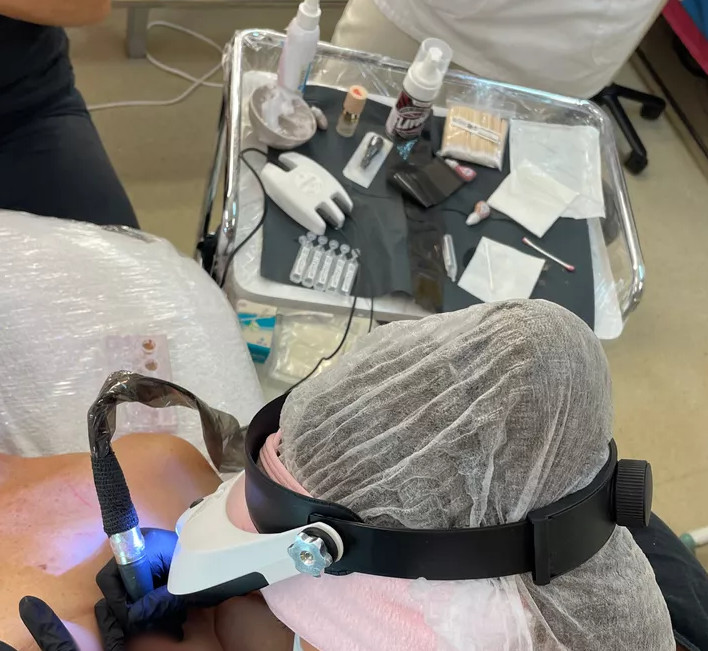
This innovation project is specifically applied to seven centers in the Valencian Community that offer the CFGS in Comprehensive Aesthetics and Wellness, from the Personal Image Family.

The aim of this project is to introduce what the micropigmentation technique consists of and how it helps improve the quality of life for people who have gone through difficult situations such as cancer treatment. It enables students in the specialty to learn how to apply the technology as a learning and service tool to improve people’s image and therefore their self-esteem and well-being.

The participating centers, IES Las Fuentes (Villena), IES El Cabanyal (Valencia), IES La Encantà (Rojales), IES Salvador Gadea (Aldaia), IES La Vereda (La Pobla de Vallbona), IES Francesc Tàrrega (Villareal), all coordinated by the Center of Excellence CIPFP Batoi (Alcoy), have been able to create a shared knowledge network that will be transferred as support to cancer patients and people who have gone through certain situations.

Moreover, participating in this project represents an improvement in teaching practice as it introduces active and collaborative methodologies, ensures teaching quality, environmental management, and the application of soft skills among vocational training students.

This project is closely related to the productive sector and various companies, including medical-aesthetic clinics, cancer associations, tattoo and micropigmentation businesses, among others, that have collaborated with vocational training centers by presenting real challenges and practices.

An innovative project that contributes to restoring self-esteem and confidence in people and in the quality education system.

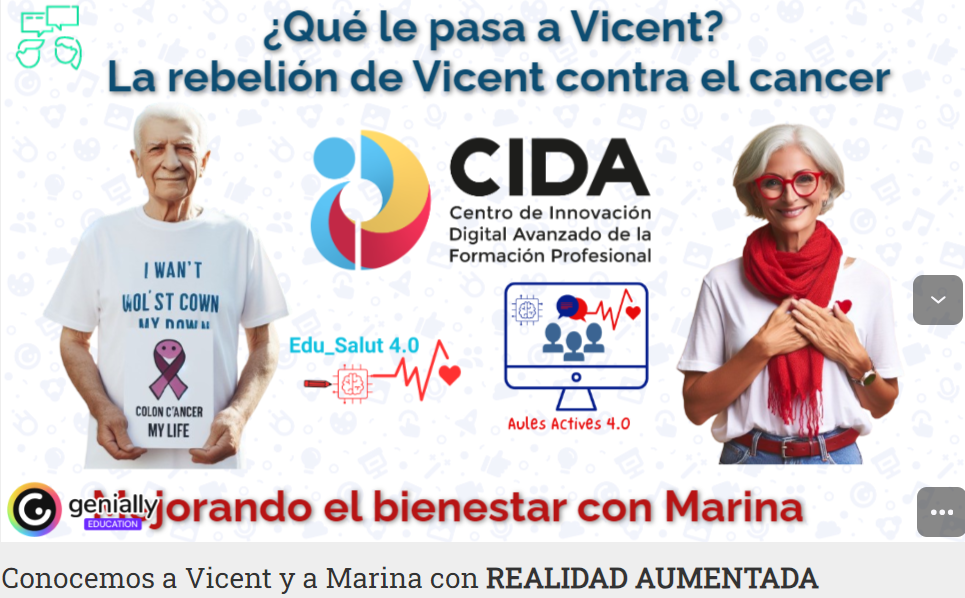
ACTIVE CLASSROOMS FOR HEALTHCARE 4.0: BRINGING HEALTHCARE TO ACTIVE AND INNOVATIVE CLASSROOMS

The collaboration and coordination among centers offering different training cycles within the Healthcare Family have enabled the application of innovation in a specific project like this one, ACTIVE CLASSROOMS FOR HEALTHCARE 4.0. The Center of Excellence CIPFP Ausias March in Valencia coordinates IES Tirant lo Blanc in Gandía and CIPFP La Laboral (formerly IES Jorge Juan) in Sagunto.

On one hand, a digital dossier has been created containing a large number of clinical cases serving as a repository for all centers within the same Family. These cases can be used as examples and addressed from different perspectives and training cycles.

On the other hand, this project has fostered research and improved digital competence among both teachers and students in a collaborative manner, based on real-life scenarios that prepare students for the job market.

To facilitate closer ties between companies and educational institutions, actively involved entities and companies like Orliman and Lacomba Orthopedics not only provide advice but also present real-life cases that align with the immediate needs of the industry. They also assist students in acquiring soft skills, essential in the social and healthcare environments they will integrate into.

Among the innovative technologies integrated and explored in the classrooms are virtual reality and augmented reality, through which human avatars have been created using AI-generated images. For this purpose, the resources available in the respective centers’ technological classrooms have been utilized.

The project has led participating centers to consider the continuity of challenge-based work, incorporating more technology companies and also applying the latest apps, including cycles from the IT family. All of this will allow them to continue promoting actions like these that enhance educational quality and innovation at the highest level.

First face-to-face meeting of the PaViVET project

The first face-to-face meeting of the project in Alicante begins, which will last for 2 days, May 2nd and 3rd, 2024.

PaViVET’s main objective is to harness the power of video as a high-impact methodological tool for students with functional diversity in Vocational Training.

More information on the project’s website:

PaViVET Project

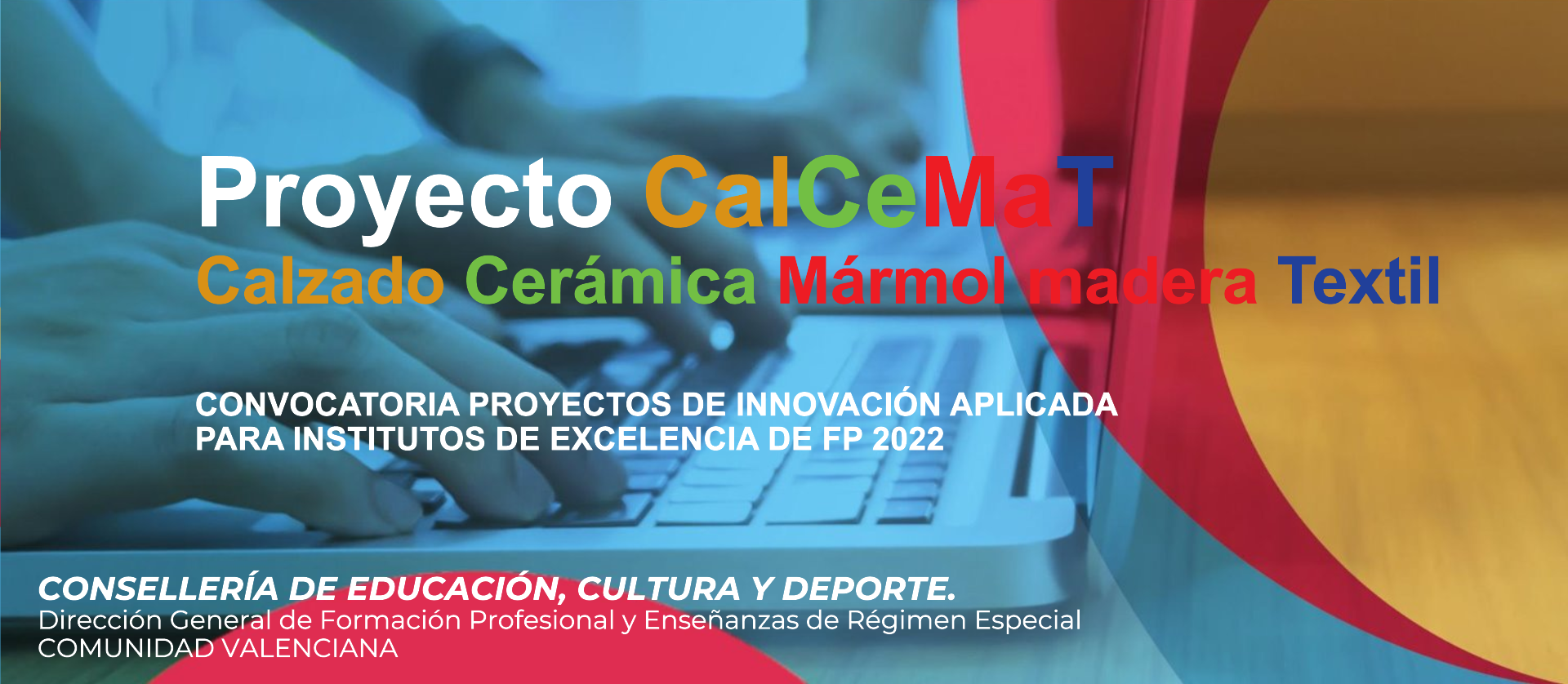
CALCEMAT: A DIGITAL AND ADAPTED SHOE

Since April 2022, several centers in the Valencian Community and from different professional families have been collaborating, under the direction of CIDA, on the CALCEMAT project, which aims to create adapted digital footwear. The intention has been very broad and has achieved very good results because it has allowed working with students from six educational centers in the creation of a product that includes digitization and the technology used by companies in the sector. This project is based on the challenge of being able to develop footwear suitable for a diabetic patient, taking biometric data from the foot, creating a shoe adapted in shape to it, with a knitted fabric that, in addition to accommodating the foot, is breathable, does not cause injuries, and, why not, is aesthetically pleasing. All this supported by a sole and heel that will house a series of sensors capable of detecting foot parameters, such as temperature, humidity, pressure, position detection with gyroscope and accelerometer.

Making this possible are the centers IES Sixto Marco from Elx (Alicante), IES La Torreta d’Elda (Alicante), with vocational training cycles related to the Footwear sector and its accessories. Although there are other cycles such as Technical Design in Textile and Leather at IES Cotes Baixes in Alcoi (Alicante) alongside the Wood, Furniture, and Cork Family, Mechanical Manufacturing cycles at IES Antonio José Cavanilles in Alicante, and also Industrial Automation and Robotics and Development and manufacturing of ceramic products at IES Serra de Espadà in Onda (Castellón). Innovative companies such as RIERA SL, TECNOTAT SL, Inyectados MEGA, COMERPLAST, ASCER, LAUD, and technological institutes such as INESCOP and AITEX, as well as the Marble Association of Alicante, have also collaborated. The variety and breadth of this project are perhaps the most striking to highlight the importance of collaboration and the application of active methodologies in classrooms for vocational training students from apparently very different families, who actually share the same goal: preparing students to enter the workforce with the most suitable and updated tools.

This is a project aimed at bringing together synergies from various vocational specialties, aimed at understanding and discovering points of convergence with other technologies and collaborating among them.

Each center has shown the rest the characteristics of its own technology, applications and areas of development for different specialties have been known, and the exchange of ideas and personal relationships between colleagues from different centers and specialties that contribute to the constant improvement of the skills of both teachers and students has been favored.

Soon, the project will come to an end and we will inform about the final results and why not? take a step further: a CALCEMAT II with other purposes applied to sports footwear, safety footwear, etc.

We will continue to inform.

METASKILLS4TCLF – 2nd Meeting in Igualada, Spain, April 18-19

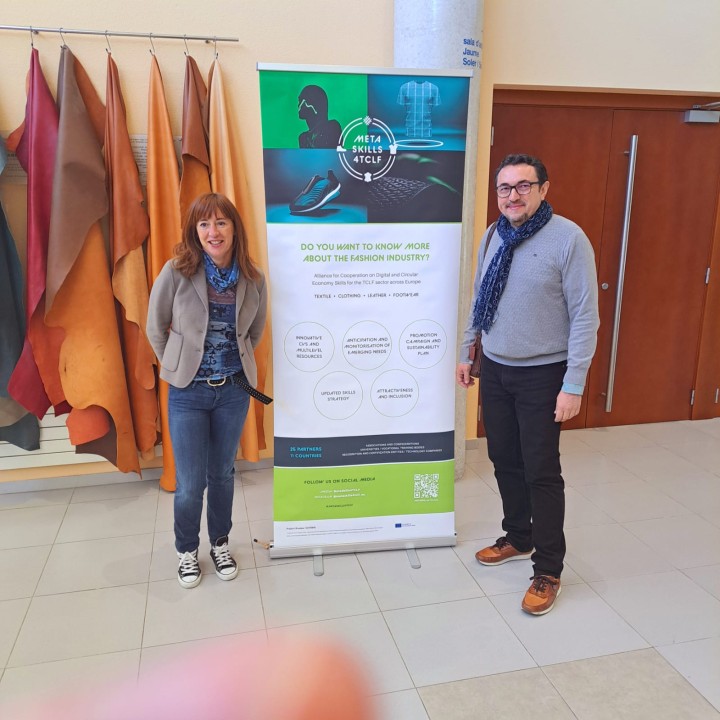
On April 18th and 19th, the second meeting of the METASKILLS4TCLF project took place in Igualada (Barcelona), Spain. This is a European project aimed at identifying the skills necessary to be included in the training for the fashion, clothing, footwear, and accessories sector, aligning them with the latest needs of the business world.

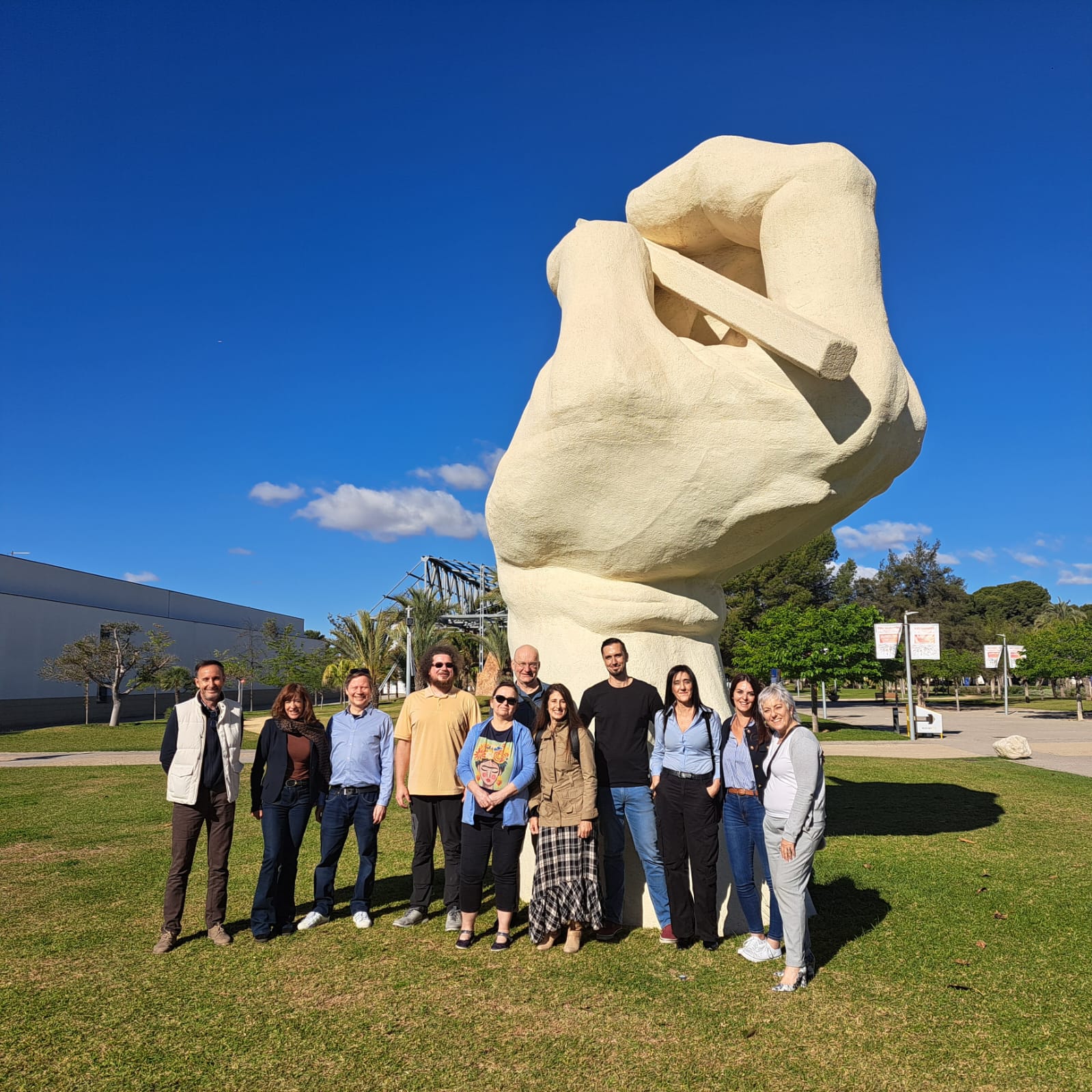
The twenty-one partners, coming from 11 European countries, had the opportunity to discuss and coordinate not only the progress of the project but also the upcoming tasks to be carried out in the following months. The Advanced Digital Innovation Center for Vocational Training (CIDA) participated as a representative of the General Directorate of Vocational Training of the Valencian Community in these sessions, contributing the priorities in VET centers.

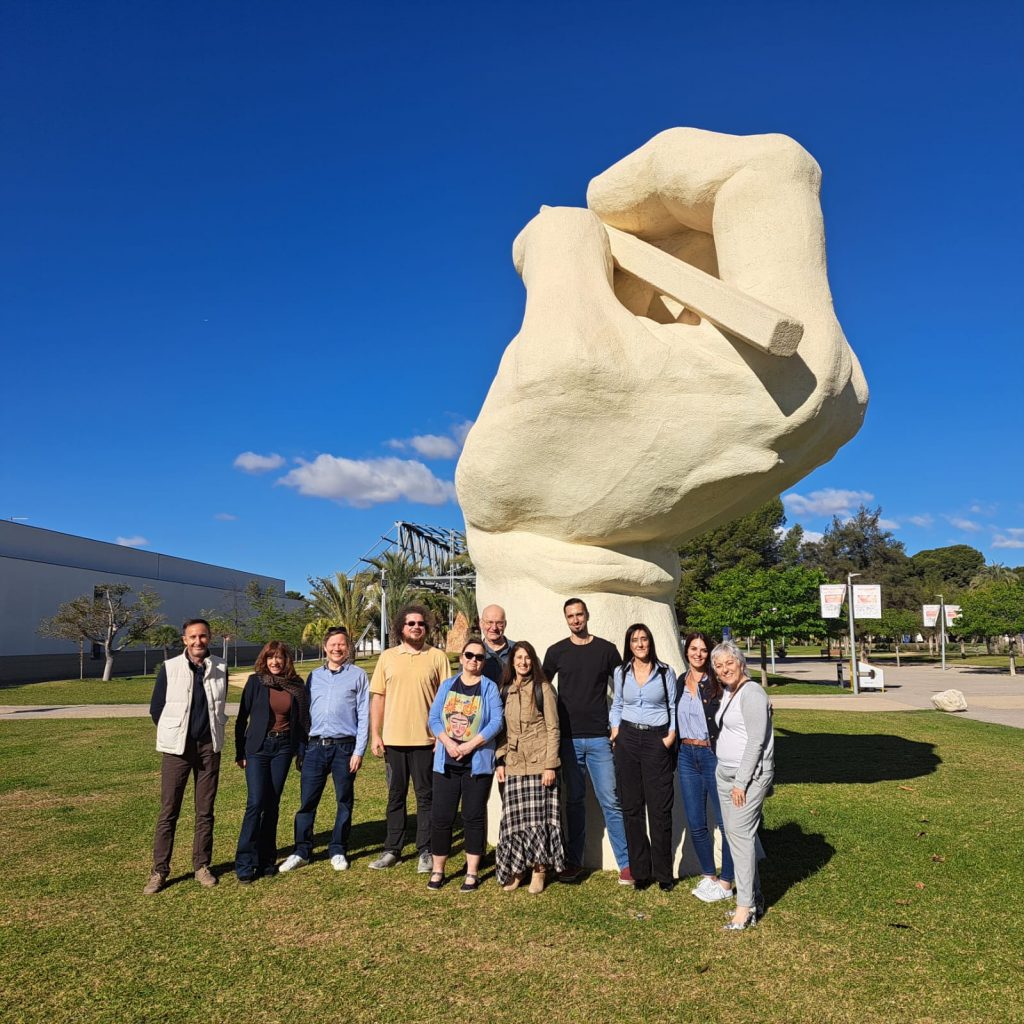
CIDA Members during the meeting

During the meeting, several important topics were addressed that will guide the development of the project in the coming months:

  • A global and shared vision of the tasks and achievements attained.
  • Evaluation of the deliverables and products developed in different working sessions in collaboration with the partners.
  • Space for discussion and proposals.

The meeting strengthened collaboration among the partners and ensured that the project progresses efficiently and effectively. These actions aim to have a significant impact on the advancement and applied innovation in vocational training centers in our community, where the importance of companies in the footwear, clothing, and leather sectors is significant not only nationally but also internationally.

Stay tuned for updates and news about the project’s progress and upcoming events!

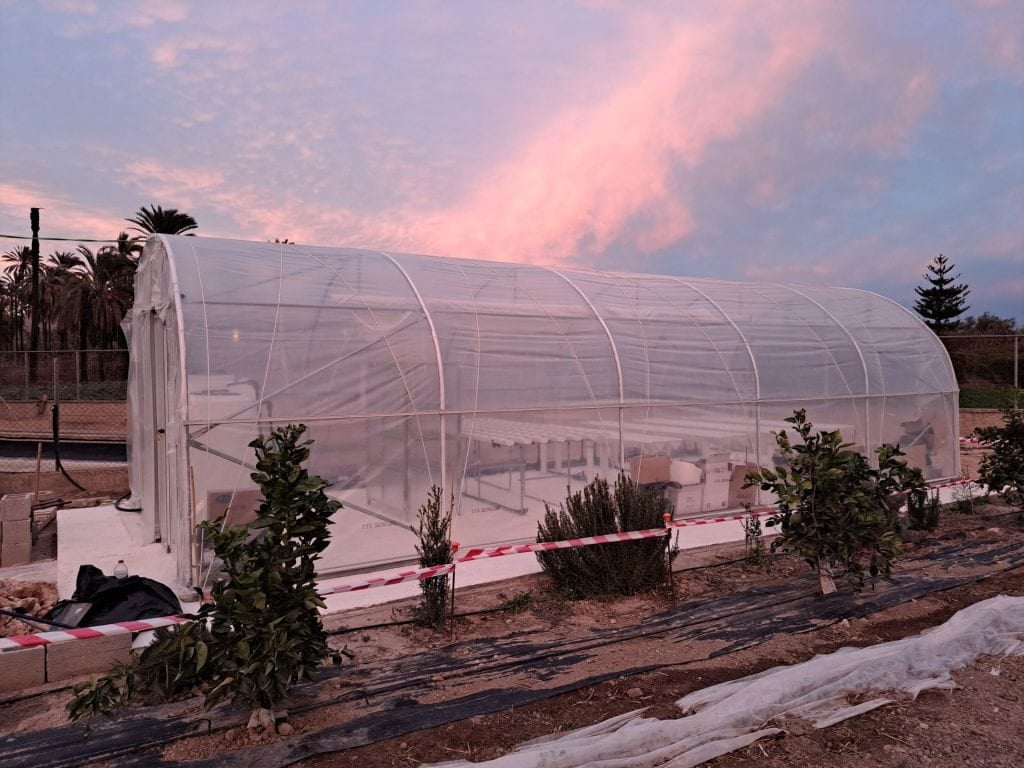
Autoponic: A Digital and Sustainable Hydroponic Farming.

The applied innovation developed in this project, led by IES Palmeral de Orihuela, where inter-school cooperation is fostered between IES Navarro Santafé de Villena and IES Severo Ochoa de Elche, once again demonstrates the cutting-edge vocational training in our region.

The initial goal of this project was the construction of a hydroponic farm adapted to renewable energy, but it didn’t stop there. Over these two years, environmental technological innovation has been applied, employing active methodologies for challenge-based learning. Upon completion of this project, a network of shared knowledge will have been established, facilitating the most suitable and updated integration into the agri-food and technological business fabric for our vocational training students.

In essence, as demonstrated in this blog, a broader and more satisfying impact than expected is achieved, improving the teaching-learning process by:

MOTIVATING students and enhancing their skills.

UPDATING teachers and creating connections between departments to achieve common goals more efficiently.

By implementing 4th industrial revolution technologies (IoT, data prediction with AI, sensory technologies…), training is aligned with the needs of the agricultural and environmental sectors, while also raising students’ awareness of environmental issues such as drought.

Generating and sharing resources encourages ongoing collaboration, ensuring the continuity of this project in the immediate future.

Avís de privacitat

Este lloc web utilitza només cookies tècniques necessàries per al seu funcionament. No s’emmagatzemen dades amb finalitats publicitàries ni es comparteixen amb tercers. S’utilitza analítica interna sense cookies, i només es recull la IP amb finalitats de seguretat.

Veure política de cookies