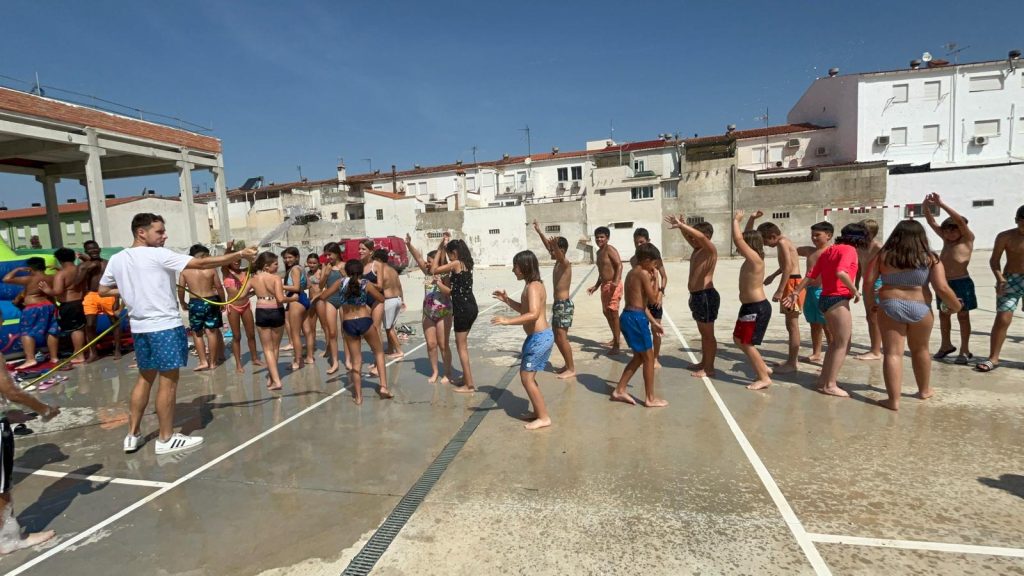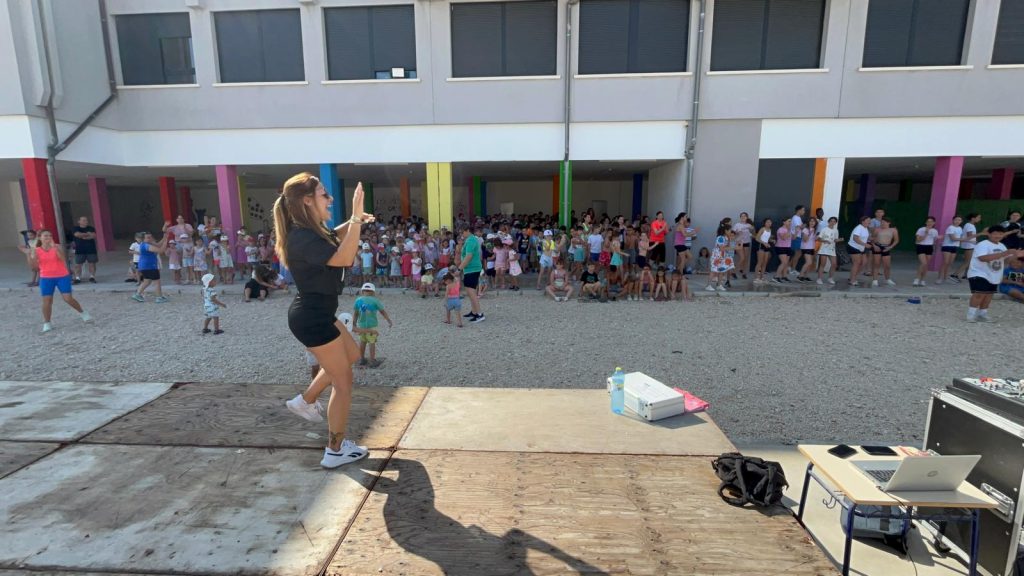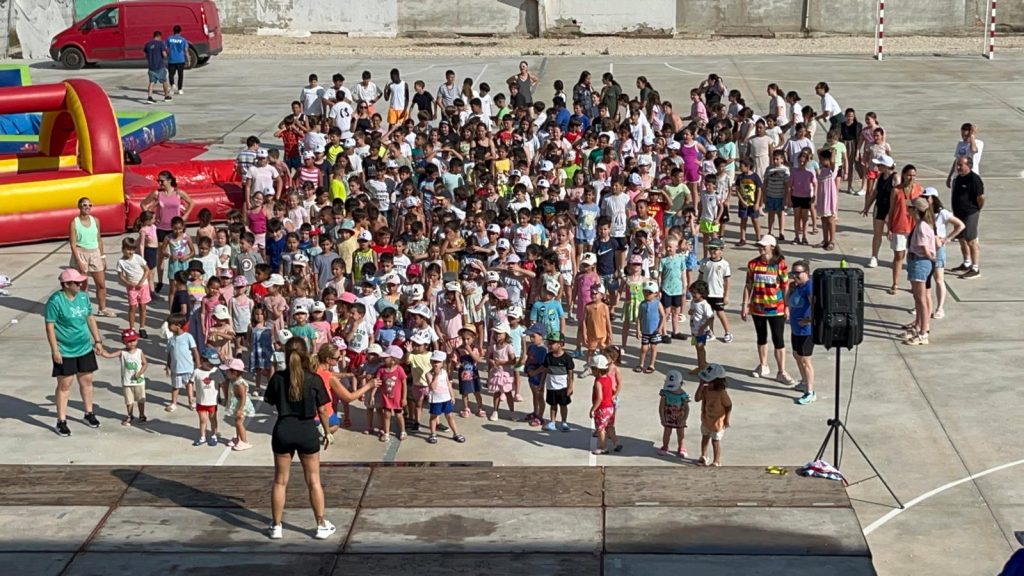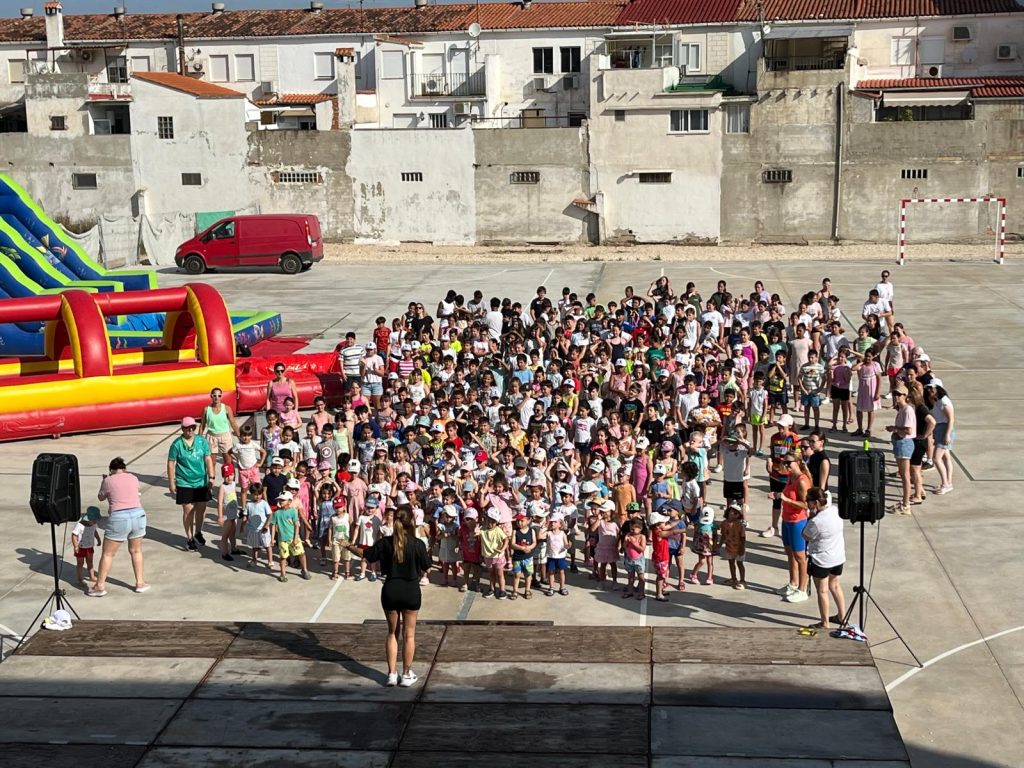
Estimada Comunitat Educativa:
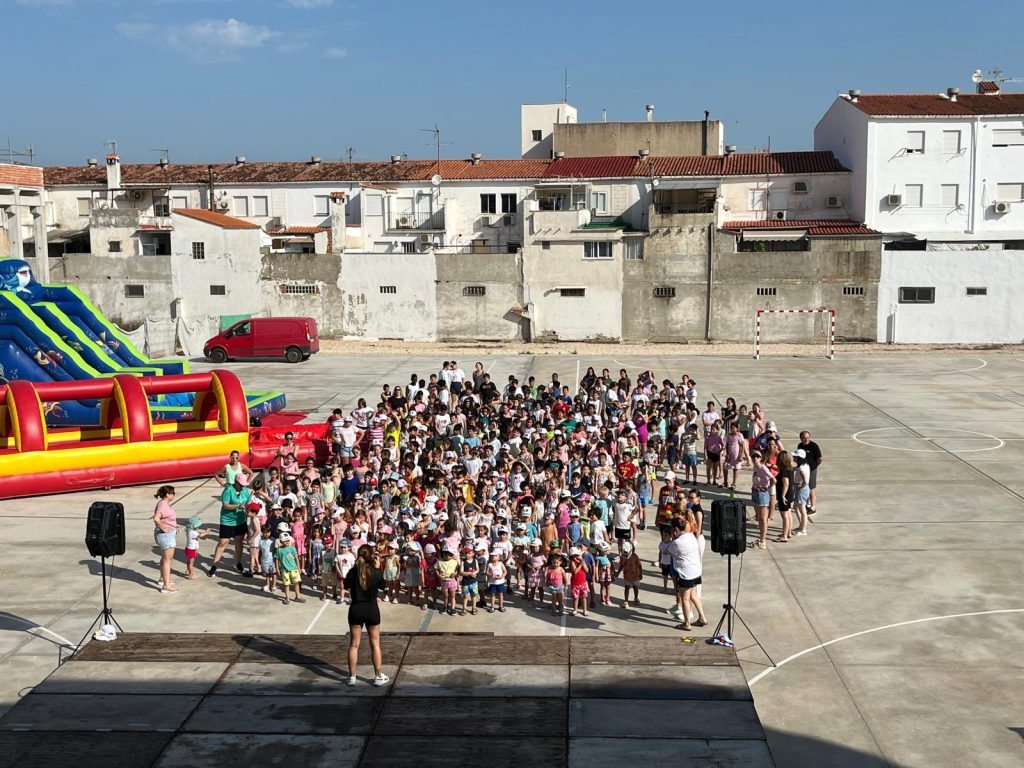
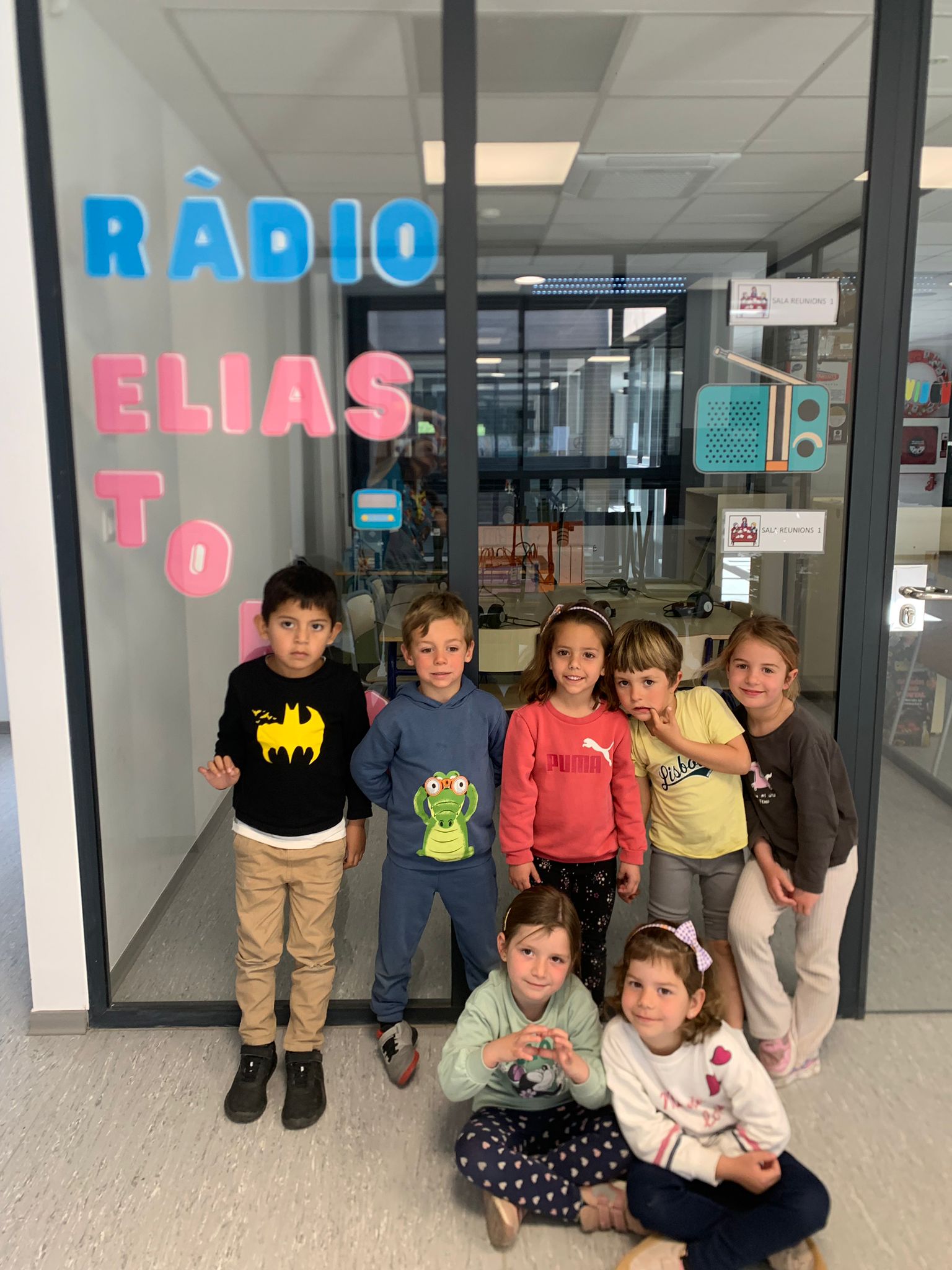
Amb aquest vídeo vos volem agraïr tot l’esforç que hem fet per poder gaudir d’aquest gran Projecte que ens uneix i que tant ens identifica.
Moltíssimes gràcies per tot.
Depuis la nuit des temps, les symboles jouent un rôle fondamental dans la construction de notre identité collective et individuelle. Parmi eux, les flèches circulaires occupent une place particulière, incarnant des notions universelles telles que l’éternité, l’harmonie et la force de la résilience. Ces motifs, présents dans diverses traditions, illustrent la manière dont l’homme perçoit le cycle, la continuité et la capacité à renaître face à l’adversité. Dans cet article, nous explorerons en profondeur la signification de ces symboles, leur présence dans la culture française, et leur résonance dans notre compréhension moderne de l’unité et de la résilience, illustrée par l’exemple contemporain de Thunder Shields.
Dans de nombreuses cultures, la flèche circulaire représente le cycle éternel de la vie, de la mort et de la renaissance. Par exemple, dans l’art celtique, le motif du triskele combine un cercle avec des spirales, évoquant l’interconnexion de toutes choses et la nature cyclique de l’existence. Ces symboles illustrent que, malgré les changements, la vie persiste dans une dynamique continue, ce qui confère un sentiment de stabilité et d’espoir.
Philosophiquement, la circularité incarne l’idée d’unité intrinsèque. La philosophie grecque antique, notamment chez Platon, évoque le cercle comme symbole d’harmonie parfaite. Dans la spiritualité, le cercle est souvent considéré comme un espace sacré, représentant l’harmonie intérieure et la connexion avec l’univers. La flèche, lorsqu’elle tourne en cercle, rappelle que notre parcours de développement personnel et collectif est un processus continu d’apprentissage et d’intégration.
Le mouvement circulaire symbolise aussi la résilience : face à l’adversité, l’individu ou la société peuvent tourner, rebondir, s’adapter et renaître. La spirale, par exemple, évoque cette capacité à s’élever après une chute, illustrant que chaque fin ouvre la voie à un nouveau départ. La résilience se manifeste ainsi comme un processus dynamique, où la circularité joue un rôle essentiel dans la reconstruction et la croissance.
Les anciens peuples gaulois utilisaient abondamment les motifs circulaires dans leurs bijoux, sculptures et ornements. Le torque et d’autres objets en or sont souvent décorés de cercles et de spirales, symboles de continuité et de protection. Ces motifs, transmis dans l’art moderne, témoignent de la permanence de la symbolique de l’unité dans l’identité culturelle française.
Dans le christianisme, le cercle est un symbole de perfection divine, visible dans la construction des cathédrales et des mandalas. Les rituels liés aux cycles solaires, comme les solstices, utilisent aussi des représentations circulaires pour signifier l’harmonie avec la nature et l’éternité divine. Ces pratiques illustrent une fois de plus la capacité du cercle à rassembler et à unir les croyants.
De l’Arc de Triomphe à la pyramide du Louvre, l’architecture française intègre souvent des formes circulaires ou en spirale, symbole d’unité nationale et de progrès. Le design contemporain privilégie aussi ces formes pour évoquer la stabilité et la résilience dans des structures modernes, témoignant de l’héritage culturel toujours vivant.
Les phénomènes naturels tels que le cycle des saisons, la migration des oiseaux ou la croissance des plantes suivent des motifs circulaires ou spiralés. Par exemple, le cycle annuel des saisons illustre une résilience écologique, permettant à la biosphère de se régénérer chaque année. La migration des étourneaux en V est aussi une manifestation d’organisation circulaire, optimisant la résilience de l’espèce face aux défis environnementaux.
| Exemple | Description |
|---|---|
| Algorithme circulaire | Les structures de données comme les boucles ou les graphes circulaires favorisent la résilience informatique en permettant une adaptation dynamique aux changements. |
| Engrenages | Les mécanismes d’engrenages illustrent la transmission efficace de force et d’énergie dans des machines, symbolisant la continuité et la résilience mécanique. |
Dans le domaine de l’innovation, les motifs circulaires guident la conception de systèmes auto-entretenus ou résilients, comme dans le développement des réseaux de communication ou des énergies renouvelables. La croissance exponentielle des technologies modernes repose souvent sur la capacité à intégrer ces principes de circularité, favorisant une adaptation permanente face aux défis mondiaux.
Le jeu Le nouveau jeu de machines à sous est génial. est une création moderne qui s’inspire de la symbolique ancestrale des flèches circulaires. Son design intègre des motifs tournoyants évoquant l’unité, la résilience et la renaissance, illustrant comment ces valeurs perdurent dans la culture contemporaine tout en étant adaptées à un univers ludique et technologique.
Les flèches tournoyantes de Thunder Shields représentent la capacité à tourner face aux obstacles, à se repositionner et à renaître plus fort. Ce symbole, universel, trouve une résonance profonde dans la façon dont le jeu encourage à persévérer et à retrouver confiance en soi, même dans l’adversité.
Ce jeu s’inscrit dans une longue tradition de représentation du cercle comme vecteur d’unité et de force. La circularité dans sa conception traduit une philosophie de résilience collective, où chaque tour de rouleau est une étape vers la renaissance et la consolidation des valeurs fondamentales, à l’image de ce que véhiculent les motifs anciens dans notre héritage culturel.
Historiquement, la France a traversé de nombreuses crises, de la Révolution à la Libération. La capacité à rebondir, à se réorganiser et à renaître de ses cendres est inscrite dans son patrimoine. Aujourd’hui, cette résilience se manifeste dans la manière dont la société française s’adapte aux défis économiques, environnementaux et sociaux, en s’appuyant sur des valeurs d’unité et de solidarité.
Les symboles circulaires ont souvent été mobilisés lors de moments de crise pour renforcer le sentiment d’appartenance et d’espoir. Par exemple, lors des grands mouvements sociaux, la symbolique du cercle a permis de fédérer et de galvaniser les acteurs pour une renaissance collective.
La France allie avec finesse innovation et respect de ses traditions. Les motifs circulaires, qu’ils soient artistiques, architecturaux ou technologiques, incarnent cette dualité, favorisant une résilience dynamique et une capacité à évoluer sans perdre son identité.
Les philosophes antiques, de Sénèque à Plotin, ont exploré l’idée de cycles naturels et de renouveau intérieur. La philosophie moderne, notamment dans la pensée écologique, insiste sur la nécessité de respecter ces cycles pour assurer la pérennité de notre civilisation. La circularité devient alors une clé pour comprendre la sagesse et l’harmonie.
Dans les traditions méditatives, comme le bouddhisme ou le yoga, le cercle représente l’unité entre le corps et l’esprit, entre l’individu et l’univers. La pratique de la méditation en cercle favorise la résilience intérieure en permettant de retrouver un équilibre face aux défis du quotidien.
Se référer à la dynamique du cercle invite à adopter une attitude d’adaptation continue, à accepter la fin d’un cycle pour mieux préparer le suivant. Cela encourage une vision positive face aux épreuves, en soulignant que chaque tour représente une opportunité de croissance et de renouveau.
En définitive, les flèches circulaires constituent un symbole universel et profondément enraciné dans la culture française. Elles incarnent l’idée d’unité, de continuité et de résilience, que ce soit dans l’histoire, l’art, la nature ou la science. Le modernisme de Thunder Shields montre comment ces principes ancestraux continuent d’inspirer nos créations contemporaines, renforçant notre capacité collective à faire face aux défis en puisant dans notre héritage culturel. La symbolique du cercle reste ainsi un vecteur puissant de renaissance, d’harmonie et de solidarité, essentielle à la construction d’un avenir résilient et uni.

Prevenció d’addiccions a la pantalla, jocs d’atzar i cures digitals
🧠 Xarrada a càrrec d’Eva Bernal Serrano, criminòloga i agent d’igualtat
📅 Dimecres 28 de maig
🕖 A les 19:00 h
📍 Sala Gòtica del Palau d’Albaida
Una oportunitat per reflexionar sobre els riscos digitals i aprendre com acompanyar millor a infants i adolescents en l’ús saludable de la tecnologia.
✨ Activitat organitzada per l’AMPA CEIP Elias Tormo i Covalta.
Entrada lliure!
In today’s complex systems—ranging from gaming to economics and behavioral psychology—the concept of boundaries and limits plays a crucial role in shaping how rewards are distributed and perceived. These boundaries serve as invisible lines that define what is possible, fair, and sustainable, influencing expectations and behavior across various contexts.
Understanding how limits function not only enhances strategic decision-making but also fosters fairness and engagement. Whether it’s a player striving for the highest score, an investor managing risk, or a user interacting with digital platforms, boundaries act as guiding principles that balance opportunity with restraint.
Limits are predefined boundaries within which systems operate, whether in gaming, economics, or human behavior. In gaming, for example, a maximum payout cap ensures that rewards remain sustainable and fair. In economics, regulatory limits prevent market exploitation, maintaining stability. Behavioral psychology studies show that humans naturally respond to imposed thresholds, which influence motivation and decision-making.
Understanding limits is essential because they help manage risk and foster sustained engagement. For instance, a mobile app might cap daily usage or spending to prevent burnout or financial harm, encouraging users to return without feeling overwhelmed. These boundaries serve as safeguards and motivators, guiding users toward balanced interactions with systems.
Examples from everyday life include setting a budget, a calorie intake limit, or a workout cap. Technologically, limits are embedded in algorithms that control data flow, user interactions, or resource allocation, illustrating their pervasive role in shaping efficient, fair, and engaging environments.
Psychologically, caps and thresholds can heighten excitement and challenge. When players know there’s a maximum payout, they often become more strategic, aiming to maximize their gains within the set limits. These boundaries stimulate a competitive mindset, encouraging players to innovate and adapt their strategies.
Encouraging strategic play through defined boundaries is common in game design. For instance, in many online slot games, a payout cap prevents players from expecting infinite rewards, which maintains tension and fairness. This approach keeps players engaged, as they are motivated to optimize their actions within the constraints.
“Limits serve as psychological anchors, transforming perceived fairness into active engagement and strategic thinking.”
A well-crafted limit encourages players to think critically about risk versus reward, fostering a sense of mastery and satisfaction when they succeed within the set boundaries. This principle applies across various domains, from gaming to financial investments, demonstrating the power of boundaries to motivate adaptive behavior.
Contemporary reward systems are carefully designed to balance potential gains with necessary restrictions. Limits prevent exploitation—such as “gaming” the system—while promoting fairness and long-term engagement. For example, in digital platforms, daily or weekly caps ensure all users have equal opportunities to benefit, fostering trust.
The relationship between potential rewards and boundaries is dynamic. High rewards naturally attract players, but without appropriate limits, systems risk unsustainable payouts or abuse. Transparent limits build trust, making players feel secure and valued, which enhances overall satisfaction and loyalty.
For example, in competitive gaming, prize pools might be capped to prevent excessive payouts that could destabilize the community or the platform. This balance encourages sustained participation and fairness, essential for maintaining vibrant and equitable ecosystems.
Pirots 4 exemplifies how boundaries are integrated into game design. Its reward mechanism involves upgrading gems, with each level representing potential increases in payout. The system includes a maximum payout cap of 10,000x the stake, which ensures players experience high rewards without risking system imbalance.
This payout cap limits the maximum winnings, encouraging players to strategize around achieving the best outcomes within these constraints. It maintains fairness by preventing runaway payouts, which could undermine the game’s sustainability.
Collector birds in Pirots 4 serve specific functions, such as gathering rewards or triggering special features. Their behavior is constrained by the boundary conditions set within the game, ensuring that certain actions or payouts do not exceed predefined limits, thus maintaining system integrity and strategic depth.
Players adapt by focusing on optimizing their chances within the payout cap, such as timing their bets or leveraging special features. This demonstrates how boundaries foster strategic thinking, making gameplay more engaging and skill-based.
For a comprehensive understanding of how boundaries shape engaging and fair reward systems, exploring resources like [Pirots4] offers valuable insights into modern game design principles.
Designing effective boundaries involves technical considerations such as calculating payout caps, setting thresholds, and implementing adaptive limits. These elements must strike a balance between maintaining excitement and ensuring fairness. For instance, dynamic systems can adjust limits based on player behavior or system load, enhancing the overall experience.
Balancing excitement and fairness requires ongoing analysis and fine-tuning. Developers often use data analytics to monitor how players interact with boundaries, then adapt these parameters to optimize engagement without compromising system integrity.
Adaptive boundaries—those that evolve based on user behavior or system state—are increasingly common. They personalize experiences, prevent predictability, and keep players motivated within fair limits, exemplifying how modern design leverages technology for improved engagement.
Boundaries influence long-term player retention by fostering a sense of fairness and predictability. When players understand the limits, they can strategize more effectively, leading to increased loyalty and prolonged engagement.
Interestingly, boundaries can also stimulate innovation in game design. Creators explore new ways to challenge players within set limits, introducing features like variable caps or dynamic thresholds that evolve during gameplay. These innovations keep experiences fresh and compelling.
“Transparency in boundaries builds trust—a vital component for sustained engagement and ethical design.”
From an ethical perspective, clear communication about boundaries is essential. Hidden or ambiguous limits can erode trust, whereas transparency enhances player confidence, ultimately benefiting both users and platform providers.
Artificial intelligence (AI) and data analytics are transforming how boundaries are optimized. These technologies enable dynamic, personalized limits that adapt to individual player behavior, maximizing engagement while maintaining fairness.
Emerging models include real-time boundary adjustments and context-aware limits, which can respond to system load, player skill levels, or market conditions. Such innovations promise more immersive and fair experiences for users, fostering trust and satisfaction.
These advancements have implications for developers—who can craft more engaging systems—and regulators, who must ensure transparency and fairness. Balancing innovation with ethical standards will be crucial as boundaries become more sophisticated.
Throughout this discussion, it’s clear that boundaries are fundamental to designing effective reward systems. They shape expectations, motivate strategic behavior, and ensure fairness and sustainability. Recognizing the educational importance of understanding limits allows designers and users alike to foster environments that are engaging, trustworthy, and resilient.
Modern examples, such as the principles demonstrated in [Pirots4], illustrate how timeless concepts adapt to cutting-edge technology, creating innovative yet fair reward landscapes. Embracing limits not only enhances system integrity but also encourages continuous improvement and ethical development.
In sum, boundaries are not barriers but essential tools that help craft balanced, engaging, and sustainable reward ecosystems for the future.
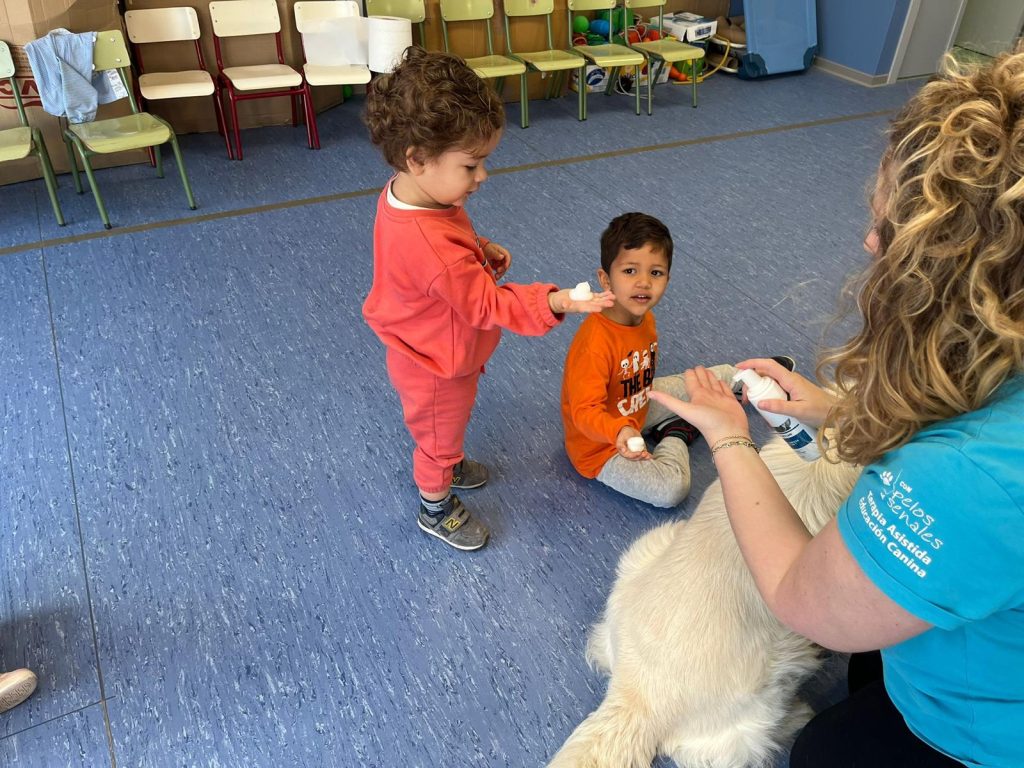
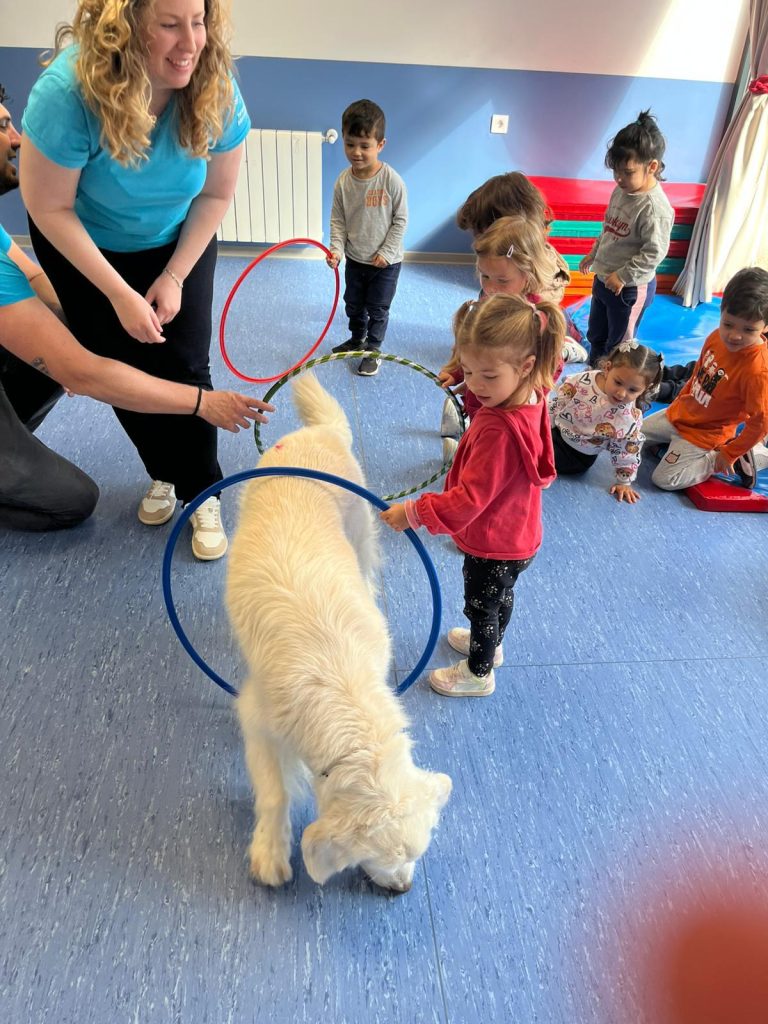
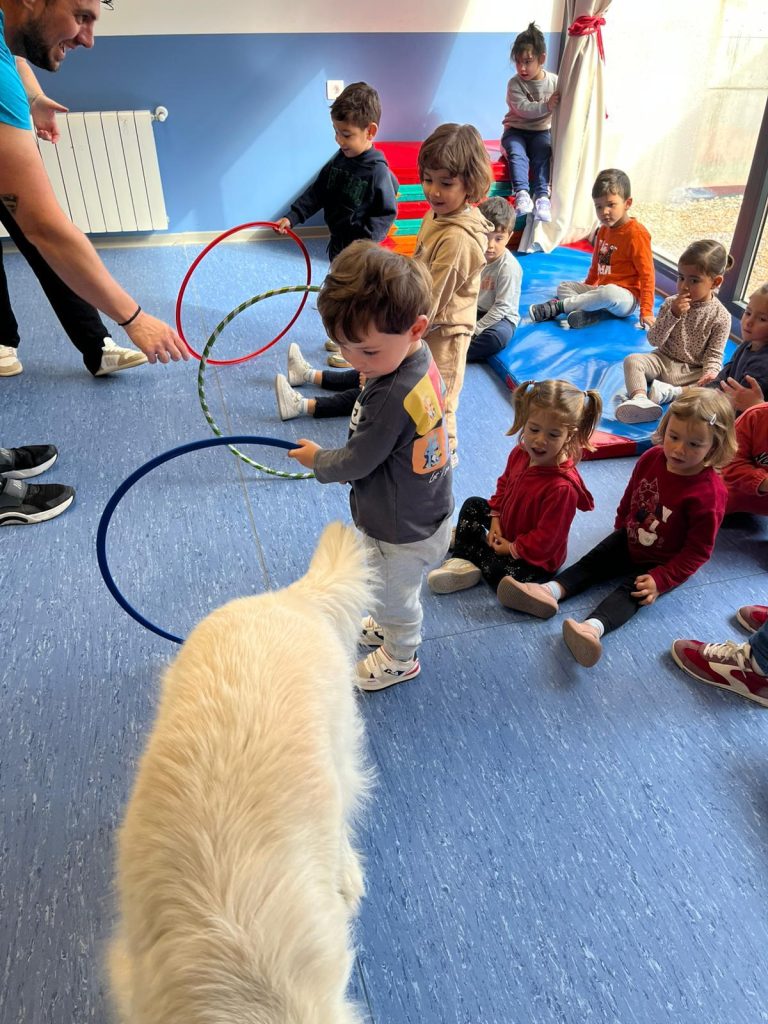
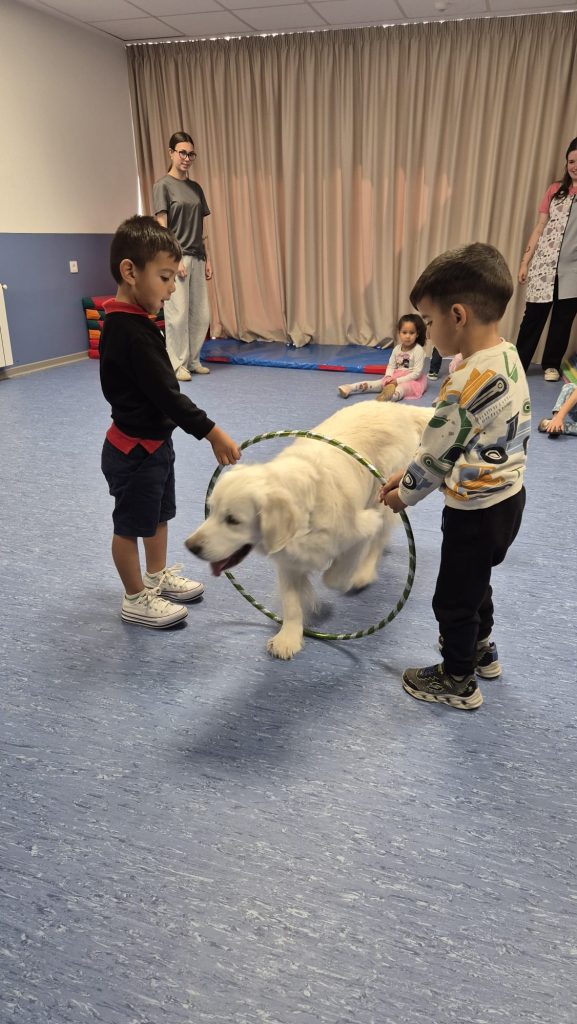
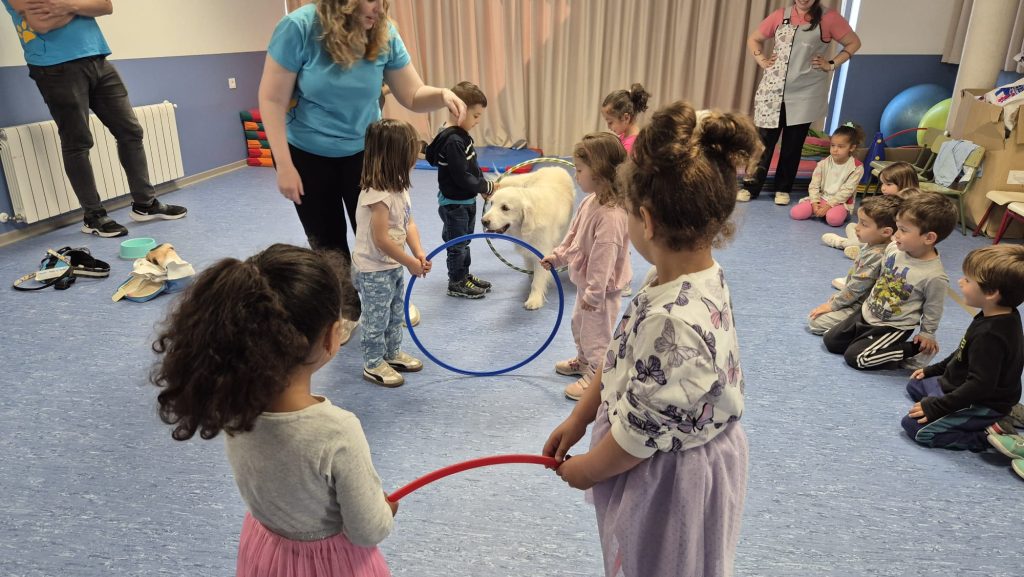
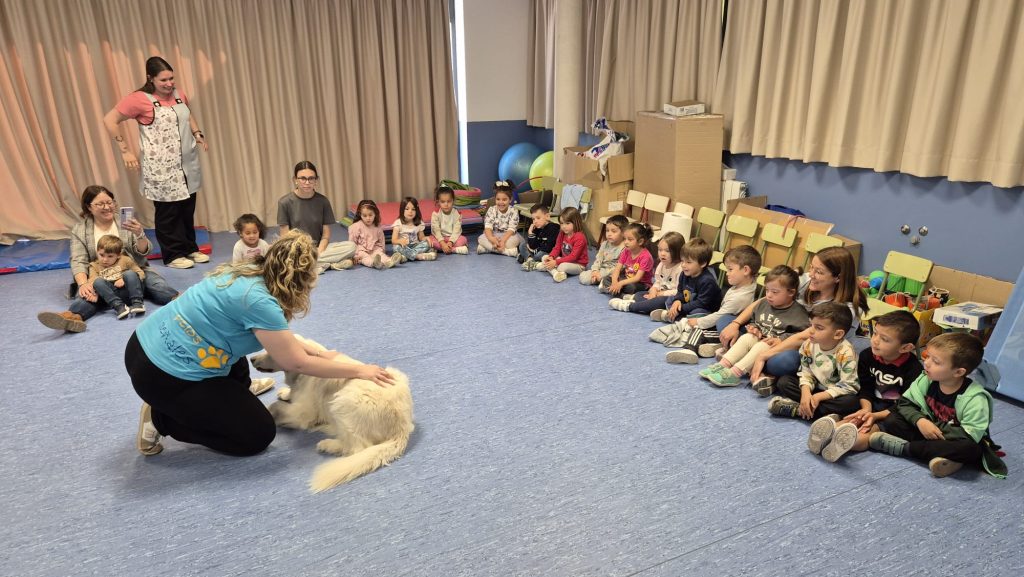
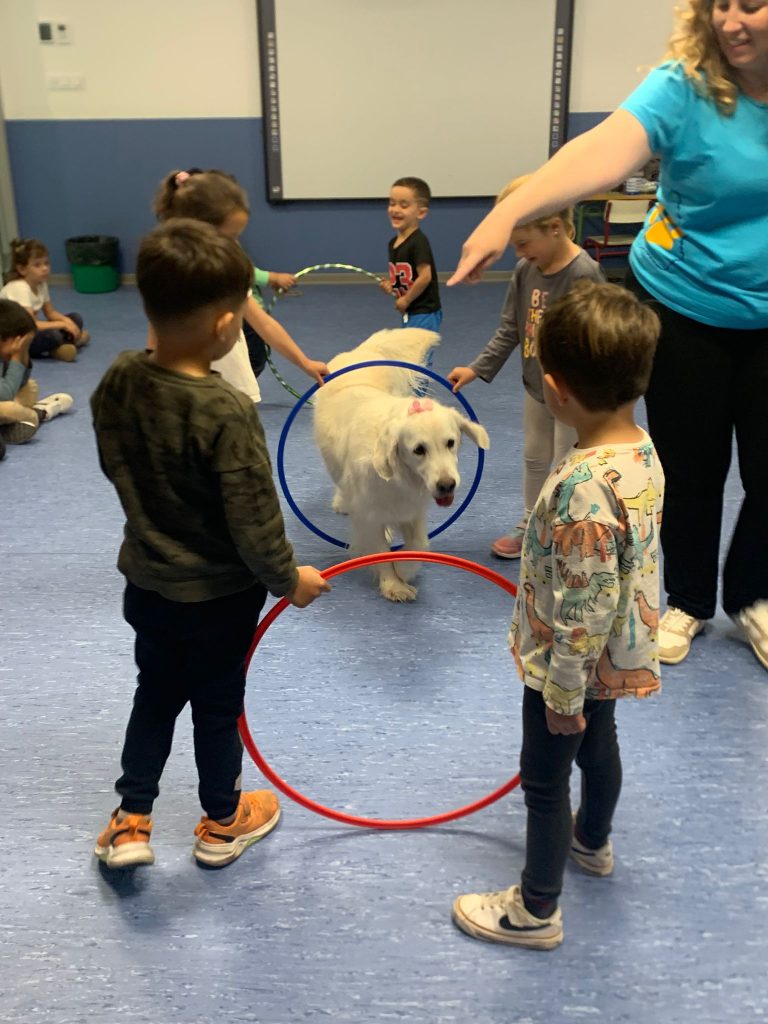
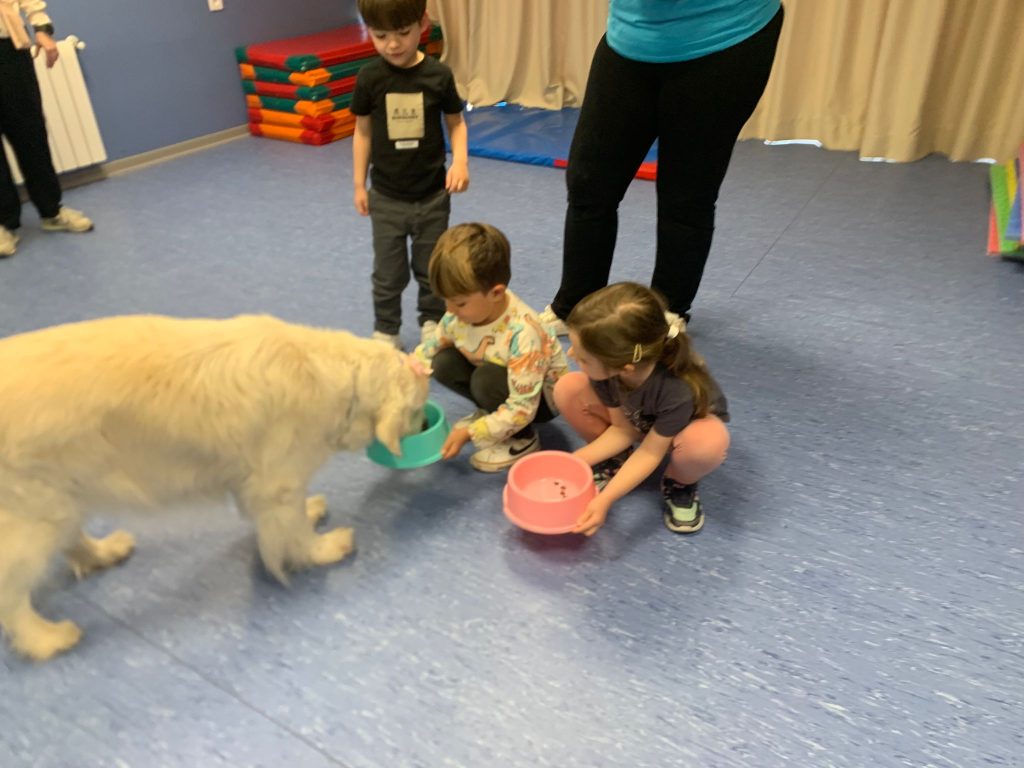
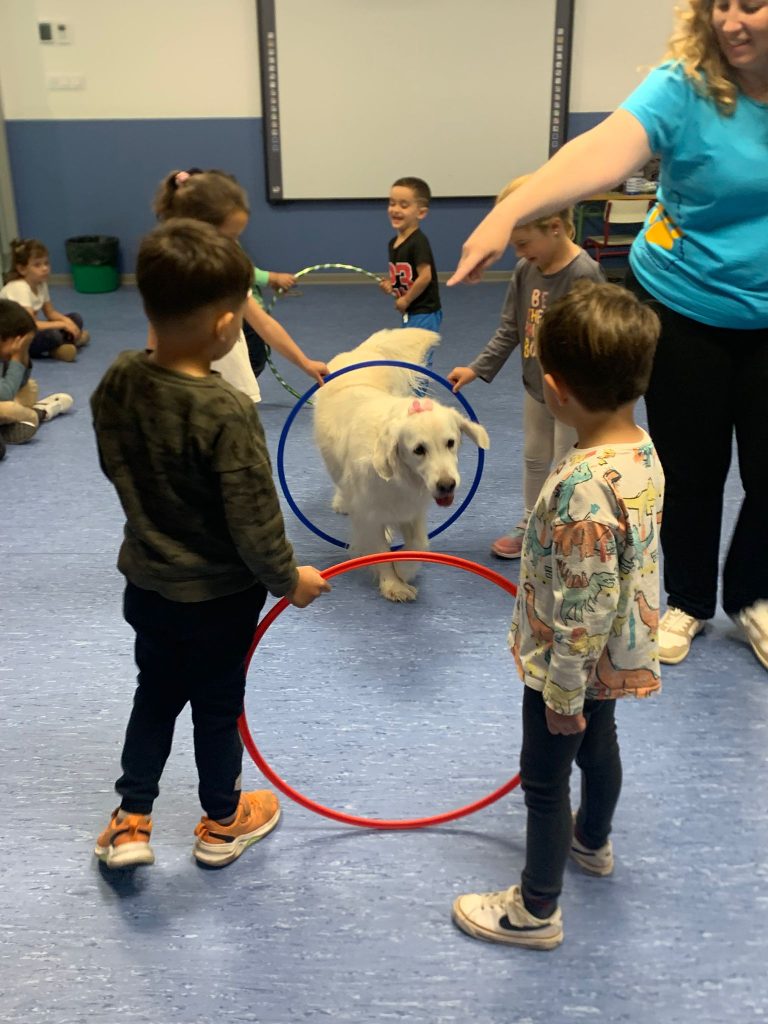
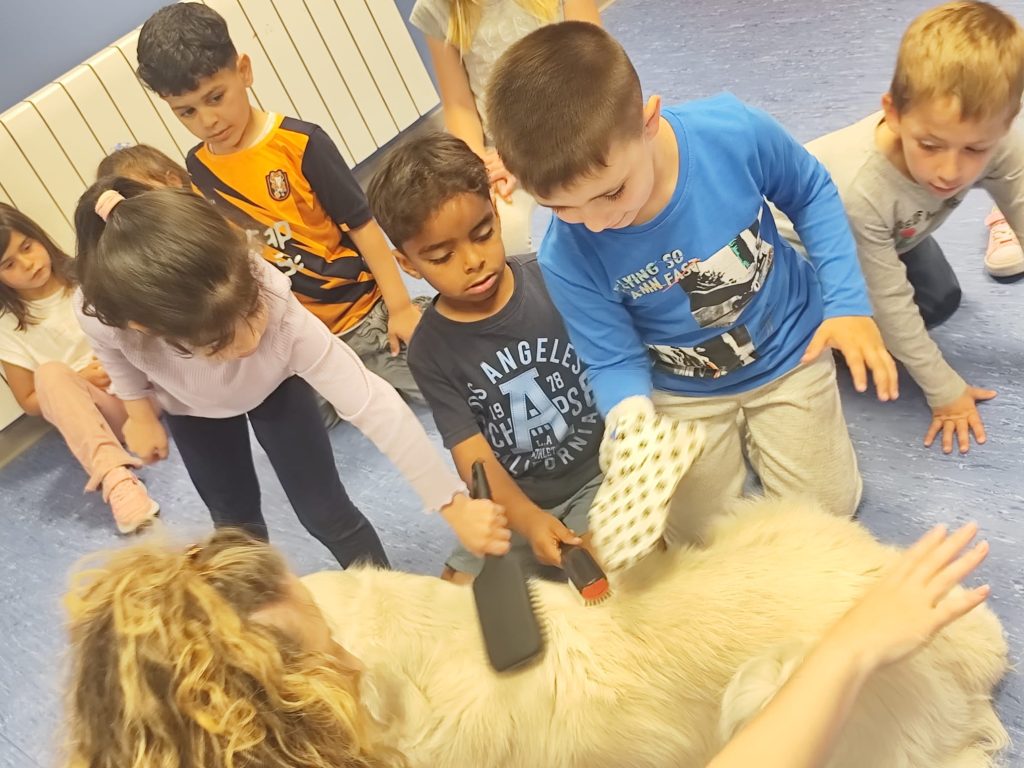
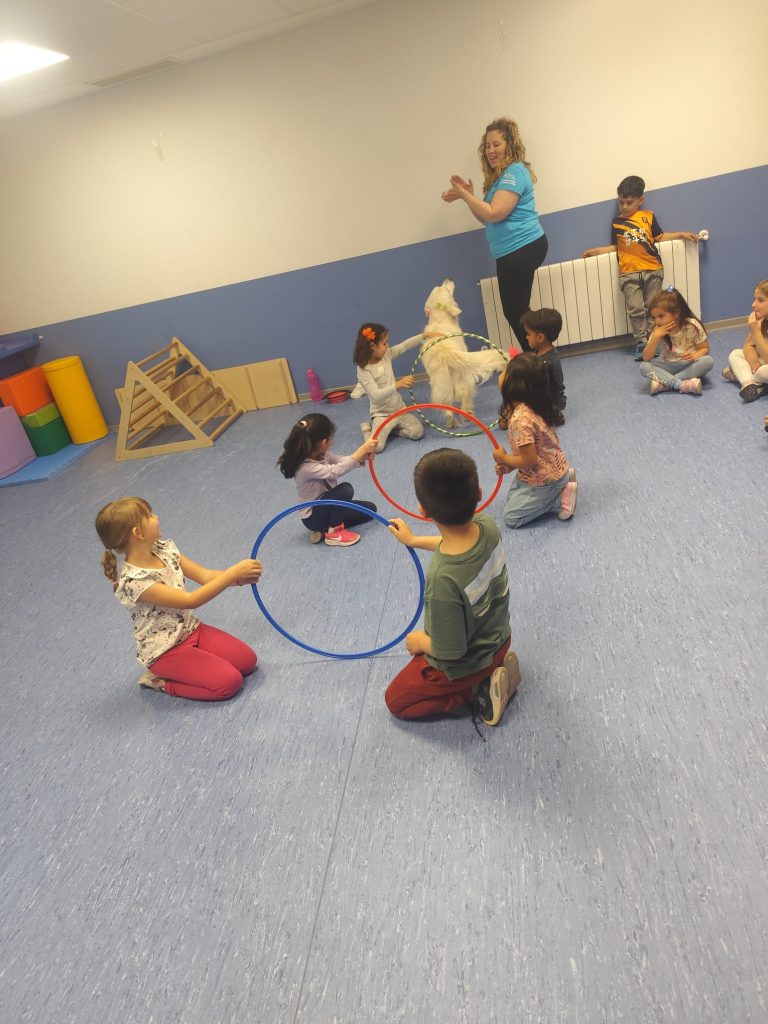
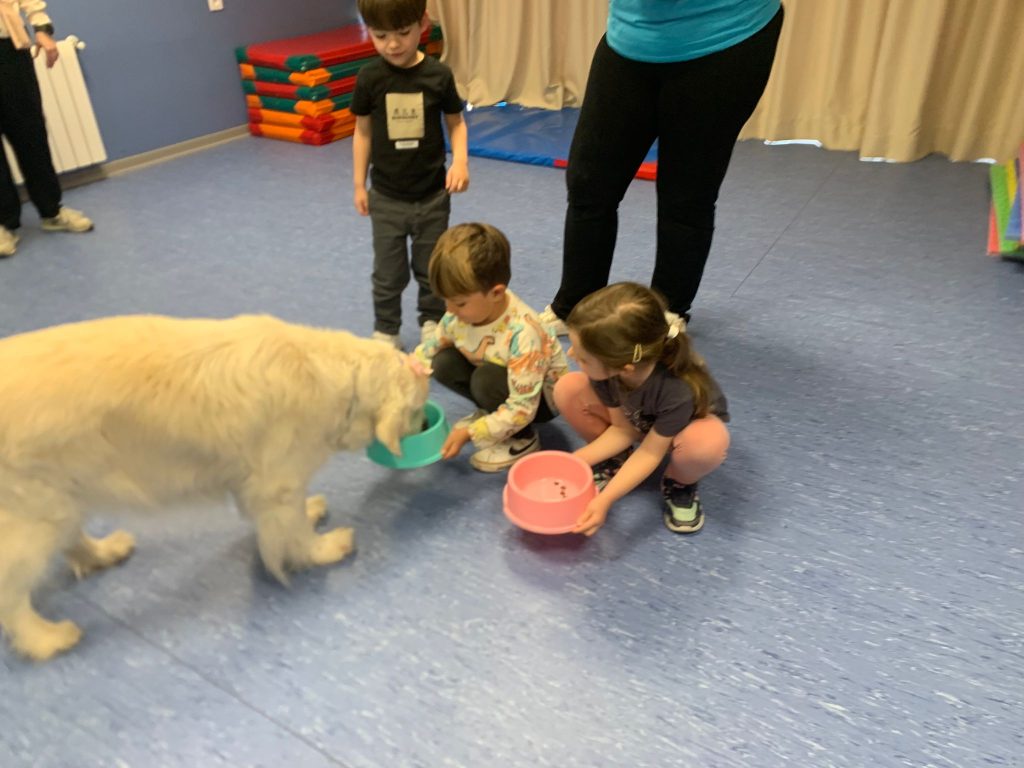
Aquest divendres dia 9 de Maig, tot l’alumnat d’infantil del CEIP ELIAS TORMO, ha pogut gaudir d’una experiència única i molt gratificant amb la companyia de Piruleta. És tracta d’una gossa terapeuta, de l’Associació “Con Pelos y Señales”, una associació que realitza intervencions Assistides amb Animals per millorar la qualitat de vida i benestar de les persones a les quals es dirigeix (en aquest cas, als nostres alumnes d’infantil).
En aquest cas, la intervenció ha sigut d’àmbit terapèutic i educatiu, on s’ha treballat per millorar els àmbits cognitius, físics, socials i emocionals dels nostres alumnes d’infantil, al mateix temps, que hem fet una “xicoteta” aproximació per a aquells xiquets/es que puguen tindre por o hagen patit alguna experiència negativa amb els gossos.
S’han realitzat diverses activitats i jocs per tal de què els alumnes pogueren estar en contacte amb Piruleta (gossa terapèutica), i a més, hem vist com la mateixa gossa pot ajudar i acompanyar física i emocionalment als nostres alumnes, independentment de l’edat, sexe, característiques pròpies dels xiquets/es,…
A continuació, podeu vorer un recull de fotografies on tot l’alumnat ha participat de la jornada de hui, un dia, que per a ells ha sigut molt especial, ja que no tots els dies podem contar a dins de l’aula amb un /a gos/gossa terapèutic/a.












In the evolving landscape of digital gaming, progress saving techniques have become a cornerstone for enhancing player experience and engagement. From the earliest days of simple save points to sophisticated, dynamic systems, these mechanisms not only preserve a player’s journey but also serve as strategic tools to motivate continued play and unlock rewards. This article explores the core concepts, psychological impacts, innovative techniques, and future trends in progress saving, illustrated with practical examples, including modern titles like fresh le pharaohh — scam? (anyone?).
Progress saving refers to the methods used by games to record a player’s advancement, settings, and rewards, allowing them to resume gameplay without losing progress. Its importance lies in providing a seamless experience that encourages players to invest time and effort, knowing their achievements are preserved across sessions.
Initially, simple save points allowed players to save at specific locations, often requiring manual intervention. Over time, technological advancements facilitated more refined mechanisms such as auto-save, cloud backups, and checkpoint systems. These innovations have significantly impacted how players interact with games, making progress saving an integral part of modern game design.
For game developers, effective progress saving directly influences player engagement and retention strategies. It enables the creation of complex narratives and reward systems, fostering a sense of accomplishment and mastery that motivates players to continue exploring and competing.
Progress saving relies on state persistence—the ability of a game to record and restore its current state, including variables like player position, inventory, and game variables. Data management involves storing this information efficiently and securely, often using local storage, cloud services, or a combination of both to ensure reliability and quick access.
Designers strive to strike a balance between giving players control over when to save and maintaining a fluid, uninterrupted gameplay experience. Modern systems often incorporate automatic saves during natural pauses or transitions, minimizing disruption while ensuring progress is safely recorded.
Saving mechanics significantly influence player motivation and risk-taking behavior. When players trust that their progress is securely saved, they are more willing to experiment, take strategic risks, or attempt challenging sections without fear of losing hard-earned achievements.
Conversely, poorly implemented saving systems—such as forced save points that frustrate exploration or unreliable auto-save that causes data loss—can diminish engagement and increase frustration. Effective systems foster a sense of control and security, encouraging players to invest more time and effort.
“Trust in the saving system directly correlates with player perseverance and overall satisfaction, making it a critical element in game design.” — Game Design Expert
Modern games increasingly employ dynamic save points that activate based on gameplay milestones, achievements, or player performance. This approach ensures that saving aligns with meaningful progress, reducing redundant saves and enhancing immersion.
Some systems adapt to the game context, such as offering instant save options during bonus rounds or special features. For instance, a slot game might automatically save progress before a big multiplier activation, ensuring players don’t lose their streaks or rewards if they exit unexpectedly.
With the proliferation of multi-device gaming, real-time synchronization ensures that progress is consistent across platforms. Cloud-based systems allow players to seamlessly switch devices, maintaining continuity—a feature increasingly vital in mobile and cross-platform ecosystems.
Le Pharaoh is a modern slot game that combines traditional mechanics with innovative features such as Bonus Buy options and gold clovers multipliers. Its design exemplifies how advanced saving techniques can enhance player engagement and reward retention.
This persistent saving of multipliers encourages players to master the game mechanics, knowing their progress and rewards are securely stored, which boosts long-term engagement.
By saving their progress, players unlock additional rewards, such as bonus rounds or special multipliers. This creates a layered experience that promotes game mastery—players are motivated to improve their skills to access higher-tier rewards, illustrating how effective saving mechanics can serve as a gateway to deeper engagement.
When players’ progress is saved effectively, they are more likely to unlock exclusive rewards—such as bonus rounds, multipliers, or in-game currencies—further incentivizing continued play. Persistent saving ensures that these rewards are not lost due to interruptions, fostering trust and satisfaction.
From mobile puzzle games to AAA console titles, the integration of saving mechanics with reward systems is widespread. For example, role-playing games often use saved progress to unlock new storylines or equipment, while casual games reward consistent saving with daily bonuses, demonstrating the versatility and importance of these systems in diverse gaming contexts.
As progress is stored digitally, ensuring the security and privacy of player data is paramount. Developers must implement encryption and secure authentication protocols to prevent data breaches, especially with cloud-based systems linking accounts across devices.
Designers should avoid forcing save points or mechanics that unfairly penalize players who cannot access their saved data, as well as systems that encourage excessive grinding or manipulation. Fairness is essential to maintain trust and a healthy gaming environment.
Reward systems linked to saving should be transparent and equitable. Players should clearly understand how their progress impacts rewards, avoiding manipulative practices that could lead to dissatisfaction or perceptions of unfairness.
Artificial intelligence can optimize save points based on player behavior, dynamically adjusting
Τα τυχερά σύμβολα αποτελούν αναπόσπαστο μέρος της ανθρώπινης κουλτούρας, διαμορφώνοντας πιστεύω, τελετουργίες και συμπεριφορές από την αρχαιότητα μέχρι σήμερα. Η κατανόηση του ρόλου τους αποκαλύπτει πώς η τύχη, η μοίρα και η ελπίδα ενσωματώνονται στην καθημερινότητά μας, τόσο σε πολιτισμικό όσο και σε ψυχολογικό επίπεδο. Μέσω αυτού του άρθρου, θα εξερευνήσουμε την ιστορική εξέλιξη και τη σύγχρονη σημασία των τυχερών συμβόλων, με έμφαση στην επίδρασή τους στην ανθρώπινη αντίληψη και δράση.
Στην αρχαία Ελλάδα, τα τυχερά σύμβολα συχνά σχετίζονταν με θεούς και θρησκευτικές τελετές. Θεοί όπως η Τύχη, η Μοίρα και ο Τυχερός Θεός Τυχερός ή Τύχη (τύχη και μοίρα συνδέονταν άμεσα με τη θεϊκή παρέμβαση) είχαν ρόλο στη διαμόρφωση της ανθρώπινης μοίρας. Τα ιερά αντικείμενα και τα σύμβολα, όπως η ασπιδόσχημη ασπίδα ή το σκουλαρίκι της τύχης, χρησιμοποιούνταν σε τελετουργίες για την προσέλκυση ευνοϊκής μοίρας και προστασίας.
Αρχαία αντικείμενα, όπως οι ρούνες ή τα ειδικά φυλαχτά, συχνά θεωρούνταν τυχερά σύμβολα που έφερναν καλά νέα και προστασία. Οι τελετουργίες περιελάμβαναν θυσίες και προσευχές, όπου τα σύμβολα αυτά είχαν ρόλο μεσολαβητή ανάμεσα στον άνθρωπο και το θείο. Για παράδειγμα, στην αρχαία Ελλάδα, η χρήση των νομισμάτων με εικόνες θεών και συμβόλων θεωρούνταν τυχερά, καθώς συνδέονταν με την τύχη και την ευημερία.
Οι αρχαίοι πολιτισμοί αντιλαμβάνονταν την τύχη ως ένα ανεξέλεγκτο, θεϊκό πεπρωμένο. Τα τυχερά σύμβολα λειτουργούσαν ως μέσον επικοινωνίας και ελπίδας, εκφράζοντας την πεποίθηση ότι η τύχη μπορεί να επηρεαστεί ή να προσελκυστεί μέσω συγκεκριμένων συμβόλων και τελετουργιών. Αυτές οι πεποιθήσεις διαμόρφωσαν την κοινωνική συμπεριφορά και την αντίληψη για την ευημερία και την επιτυχία.
Στον σύγχρονο κόσμο, τα τυχερά σύμβολα έχουν αποκτήσει εμπορική μορφή. Πολλά από αυτά διαφημίζονται και χρησιμοποιούνται σε διαφημίσεις, προϊόντα και τάσεις μόδας. Τα σύμβολα όπως το τετράφυλλο τριφύλλι, η μαύρη γάτα, ή το χρυσό γούρι, συχνά αξιοποιούνται για να δημιουργήσουν μια εικόνα εύνοιας και θετικής ενέργειας, ενώ παράλληλα ενισχύουν την εμπορική διάσταση της τυχερής κουλτούρας.
Τα τυχερά σύμβολα διαπερνούν την ποπ κουλτούρα, ιδιαίτερα σε τυχερά παιχνίδια και ταινίες. Συμβολικά στοιχεία όπως το τετράφυλλο τριφύλλι, το λαγουδάκι ή το ρόδι, συχνά εμφανίζονται σε ταινίες και παιχνίδια για να υποδηλώσουν την εύνοια και την τύχη. Ένα χαρακτηριστικό παράδειγμα αποτελεί η χρήση τυχερών συμβόλων σε τυχερά παιχνίδια, όπου η θετική τους εικόνα ενισχύει την επιθυμία των παικτών να ρισκάρουν, πιστεύοντας στην καλή τύχη.
Η παρουσία τυχερών συμβόλων δημιουργεί ένα αίσθημα ελπίδας και θετικής διάθεσης, ενισχύοντας την τάση για ρίσκο. Μελέτες έχουν δείξει ότι η επένδυση σε τυχερά σύμβολα αυξάνει την αυτοπεποίθηση των παικτών και ενεργοποιεί το σύστημα ανταμοιβής του εγκεφάλου, προωθώντας την επιθυμία για περαιτέρω συμμετοχή. Αυτή η ψυχολογική επίδραση εξηγεί γιατί τα τυχερά σύμβολα παραμένουν τόσο δημοφιλή σε όλη τη διάρκεια των χρόνων.
Τα τυχερά σύμβολα στα παιχνίδια έχουν εξελιχθεί από τις απλές εικόνες στις ψηφιακές μορφές, αξιοποιώντας τεχνολογίες όπως τα γραφικά 3D, τα animation και τα διαδραστικά χαρακτηριστικά. Σήμερα, τα σύμβολα μετατρέπονται σε δυναμικά στοιχεία που αλληλεπιδρούν με τον παίκτη, δημιουργώντας μια πιο έντονη εμπειρία τυχαιότητας και διασκέδασης.
Το «Sweet Bonanza Super Scatter» αποτελεί μια σύγχρονη αναπαράσταση των τυχερών συμβόλων, όπου το χαρακτηριστικό Super Scatter ενισχύει το αίσθημα τυχαιότητας και απλότητας. Το συγκεκριμένο χαρακτηριστικό επιτρέπει πληρωμές χωρίς γραμμές, καθιστώντας το παιχνίδι πιο προσβάσιμο και διασκεδαστικό, ενώ η χρήση του scatter mechanic δημιουργεί μια αίσθηση απλότητας και ελπίδας για μεγάλη επιτυχία. Η τεχνολογία επιτρέπει στους παίκτες να απολαμβάνουν την εμπειρία με μεγαλύτερη ένταση και αμεσότητα, μετατρέποντας την τυχερή διασκέδαση σε μια καθημερινή εμπειρία.
Οι λειτουργίες Turbo Spin και Quick Spin επιταχύνουν την εμπειρία του παιχνιδιού, διατηρώντας το ενδιαφέρον και αυξάνοντας την αίσθηση τυχαιότητας. Η ταχύτητα αυτή ενισχύει την αίσθηση ότι η τύχη μπορεί να αλλάξει σε δευτερόλεπτα, ενώ παράλληλα διατηρεί το ενδιαφέρον σε ψηφιακές πλατφόρμες και εφαρμογές.
Με την ταχεία ανάπτυξη της ψηφιακής τεχνολογίας, τα τυχερά σύμβολα εντάσσονται σε πλατφόρμες όπως τα διαδικτυακά καζίνο, εφαρμογές και παιχνίδια εικονικής πραγματικότητας. Οι πλατφόρμες αυτές επιτρέπουν στους παίκτες να βιώσουν την τυχερή εμπειρία σε περιβάλλοντα που προσομοιώνουν τις πραγματικές εγκαταστάσεις, ενώ ταυτόχρονα προσφέρουν νέα χαρακτηριστικά και μηχανισμούς.
Ο μηχανισμός Cascade, όπου σύμβολα πέφτουν και αντικαθίστανται, δημιουργεί μια αίσθηση συνεχούς τύχης και δυναμικότητας. Αυτή η καινοτομία βελτιώνει την εμπειρία, ενισχύοντας την αίσθηση ότι η τύχη μπορεί να αλλάξει ανά πάσα στιγμή, ενώ παράλληλα αυξάνει τις πιθανότητες κέρδους σε σύντομο χρονικό διάστημα.
Οι καινοτομίες αυτές ενισχύουν την αίσθηση ενθουσιασμού και ικανοποίησης, καθώς οι παίκτες αισθάνονται ότι έχουν μεγαλύτερο έλεγχο και περισσότερες πιθανότητες επιτυχίας. Η συνεχής ανανέωση των συμβόλων και η γρήγορη ροή των παιχνιδιών δημιουργούν μια εμπειρία περισσότερο εθιστική, αλλά και μια πιο έντονη αίσθηση τυχαιότητας και εκπλήξεων.
Τα τυχερά σύμβολα συχνά εμφανίζονται σε έργα τέχνης, λογοτεχνία και μέσα ενημέρωσης, συμβολίζοντας την ελπίδα, την τύχη και την μοίρα. Πολλοί καλλιτέχνες και συγγραφείς χρησιμοποιούν σύμβολα όπως το ρόδι, το τετράφυλλο τριφύλλι ή το λαγουδάκι για να εκφράσουν την ανθρώπινη επιθυμία για ευημερία και ευτυχία.
Στην καθημερινή ζωή, η ιδέα της τύχης συνδέεται συχνά με συγκεκριμένα σύμβολα και πρακτικές. Από το να φορούν γούρια μέχρι να διατηρούν τυχερά αντικείμενα στην τσάντα ή το σπίτι, οι άνθρωποι πιστεύουν ότι αυτά μπορούν να προσελκύσουν θετική ενέργεια. Η κοινωνική αυτή πεποίθηση επηρεάζει συμπεριφορές και επιλογές, ενισχύοντας την αίσθηση ότι η τύχη μπορεί να ελεγχθεί μέσω συμβόλων και τελετουργιών.
Παρά την ευρεία αποδοχή, υπάρχει και ένας κριτικός διάλογος που αμφισβητεί την πραγματική επίδραση των τυχερών συμβόλων, ειδικά σε σχέση με τον εθισμό και την απομάκρυνση από την πραγματική ζωή. Ορισμένοι ειδικοί τονίζουν ότι η υπερβολική εξάρτηση από τέτοια σύμβολα μπορεί να οδηγήσει σε αυταπάτες και παθητικότητα, ενώ άλλοι επισημαίνουν τη σημασία της πολιτισμικής διάστασης και της ψυχολογικής ανάγκης για ελπίδα και ασφάλεια.
Τα τυχερά σύμβολα αποτελούν μια διαχρονική πηγή ελπίδας και πίστης, μεταφέροντας αξίες και πεποιθήσεις από γενιά σε γενιά. Από τα αρχαία ειδώλια και τελετουργίες μέχρι τις ψηφιακές πλατφόρμες του σήμερα, η λειτουργία και η σημασία τους παραμένουν σταθερές, ενώ εξελίσσονται τεχνολογικά και πολιτισμικά.
Η ψηφιακή εποχή προσφέρει νέες δυνατότητες διακόσμησης, εμπειρίας και διάδοσης τυχερών συμβόλων, αλλά και προκλήσεις όσον αφορά την υπερβολική εξάρτηση,
Symbole sind tief verwurzelte Elemente unserer Kultur und Gesellschaft. Sie tragen Bedeutung, vermitteln Botschaften und formen kollektive Identitäten. Im Lauf der Geschichte haben sich Symbole ständig weiterentwickelt, um komplexe Ideen und Werte zu repräsentieren – von den antiken Tempeln Ägyptens bis hin zu moderner Popkultur. In diesem Artikel betrachten wir die faszinierende Entwicklung der Symbolik, ihre Bedeutung und ihre Anwendung in verschiedenen Kontexten, wobei exemplarisch das bekannte book of ra als modernes Beispiel dient, um die zeitlose Kraft der Symbole zu verdeutlichen.
Symbole sind visuelle oder materielle Zeichen, die für etwas anderes stehen. Sie dienen als Vermittler komplexer Bedeutungen, die oft schwer in Worte zu fassen sind. Beispielsweise kann ein einfaches Kreuz in der christlichen Kultur Glauben, Hoffnung oder Opfer symbolisieren. Symbole fungieren als Brücke zwischen abstrakten Konzepten und konkreten Wahrnehmungen, wodurch sie zu essenziellen Mitteln der Kommunikation innerhalb einer Gesellschaft werden.
Symbole tragen maßgeblich zur Bildung kollektiver Identitäten bei. Nationalflaggen, Wappen oder religiöse Symbole stärken das Zugehörigkeitsgefühl und vermitteln gemeinsame Werte. In der Kommunikation ermöglichen Symbole die schnelle Übermittlung komplexer Botschaften – etwa in Logos, Marken oder kulturellen Ritualen. Sie helfen dabei, Gemeinschaften zu definieren und kulturelle Kontinuität zu sichern.
Von den frühesten Zeichnungen in Höhlen bis hin zu modernen digitalen Symbolen hat sich die Funktion der Symbole ständig erweitert. In alten Kulturen dienten sie häufig religiösen oder rituellen Zwecken. Mit der Zeit wurden sie zu Elementen der Kunst, Architektur und Literatur. Die Entwicklung spiegelt die zunehmende Komplexität menschlicher Gesellschaften wider, die immer wieder neue Formen der Symbolik hervorbrachten – eine Dynamik, die auch heute noch in der Popkultur sichtbar ist.
Das alte Ägypten war berühmt für seine reichhaltige Symbolik, die in Tempel, Grabstätten und Kunstwerken fest verankert ist. Zu den wichtigsten Symbolen zählen der Skarabäus, der für Wiedergeburt und Schutz stand, die Ankh, das Symbol des Lebens, und der Djed, das Symbol der Stabilität. Diese Symbole waren nicht nur dekorativ, sondern trugen tiefe religiöse Bedeutungen, die den Glauben an das Leben nach dem Tod und die göttliche Ordnung unterstrichen.
Die ägyptische Mythologie ist reich an Geschichten über Götter und Phänomene, die oft durch ikonografische Darstellungen vermittelt werden. Beispielsweise zeigt die berühmte Darstellung des Totengottes Osiris mit grüner Haut und einem Zeremonienstab die Verbindung zu Fruchtbarkeit und Wiedergeburt. Solche visuellen Umsetzungen dienten dazu, komplexe cosmologische Überzeugungen verständlich und greifbar zu machen – eine Praxis, die in der Kunst und Architektur bis heute nachhallt.
Ägyptische Symbole beeinflussten zahlreiche Kulturen im Mittelmeerraum, darunter die griechische und die römische Mythologie. Der Einfluss zeigt sich in der Übernahme von Symbolen wie dem Ankh oder dem Skarabäus, die in späteren Kulturen eine symbolische Bedeutung erhielten. Diese kulturelle Weiterentwicklung verdeutlicht, wie Symbole über Grenzen hinweg kommunizieren und kulturelle Austauschprozesse fördern können.
Die Griechen und Römer adaptierte viele ägyptische Symbole, um ihre eigenen mythologischen Systeme zu bereichern. So wurden ägyptische Götter und Symbole in die griechische Mythologie integriert, wodurch neue Bedeutungen entstanden. Beispielsweise wurde die ägyptische Göttin Isis in den römischen Glauben übernommen und symbolisierte Schutz und Fruchtbarkeit. Diese Anpassungen zeigen, wie kulturelle Symbole flexibel sind und sich in unterschiedlichen Kontexten neu interpretieren lassen.
Mit der Weiterentwicklung der Mythologien entstanden neue Figuren, die bestimmte Werte oder Konzepte verkörperten. Zeus, Hera oder Apollo sind Beispiele für griechische Götter, die für Macht, Ordnung und Inspiration stehen. In der römischen Mythologie wurden diese Götter oft mit römischen Tugenden assoziiert. Solche Figuren sind heute noch in Kunst, Literatur und Popkultur präsent und tragen symbolische Bedeutung, die tief in der menschlichen Psyche verwurzelt ist.
Die griechische und römische Kunst ist geprägt von Symbolen und allegorischen Darstellungen. Tempel, Skulpturen und Mosaike sind voll von Symbolen, die bestimmte Geschichten oder Werte vermitteln. Die Verwendung von Säulen, Friesen und Tempeldächern spiegelt die Ordnung und Stabilität wider, während mythologische Szenen die kulturellen Werte illustrieren. Diese Traditionen prägen bis heute die Gestaltung moderner Architektur und Kunstwerke.
In der heutigen Medienlandschaft sind Symbole allgegenwärtig. Sie werden genutzt, um Charaktere, Themen oder Stimmungen zu verstärken und das Publikum emotional zu binden. Filme wie die „Indiana Jones“-Reihe, die auf ägyptischer Mythologie basieren, verwenden Symbole, um Spannung und Mystik zu erzeugen. Ebenso spielen Videospiele eine zentrale Rolle bei der Vermittlung komplexer Narrative durch visuelle Symbole, die die Immersion fördern.
Das book of ra ist ein bekanntes Beispiel, das zeigt, wie Symbole in der Unterhaltung eingesetzt werden, um Spielmechaniken und Erzählungen zu gestalten. Im Spiel werden ägyptische Symbole wie der Skarabäus, das Ankh oder der Pharao eingesetzt, um bestimmte Funktionen wie Scatter, Wild oder Bonus zu symbolisieren. Diese Symbole sind nicht nur dekorativ, sondern tragen entscheidend zur Spannung und zum Spielgefühl bei. Sie verknüpfen alte Mythologien mit moderner Unterhaltung und schaffen eine immersive Erfahrung, die sowohl visuell ansprechend als auch bedeutungsvoll ist.
Symbole in Medien und Spielen dienen zunehmend als narrative Werkzeuge. Sie ermöglichen eine tiefere emotionale Verbindung, indem sie kulturelle und mythologische Bedeutungen vermitteln. Durch die Verwendung von Symbolen können Geschichten komplexer erzählt werden und bieten dem Publikum die Möglichkeit, sich auf einer tieferen Ebene zu identifizieren. Diese Entwicklung fördert die Schaffung immersiver Welten, in denen die Grenzen zwischen Vergangenheit und Gegenwart verschwimmen.
Symbole sprechen unsere Emotionen an, weil sie oft tief in kulturellen und persönlichen Erfahrungen verwurzelt sind. Sie aktivieren im Gehirn Assoziationen und Erinnerungen, die sofort eine Bedeutung vermitteln. Ein Beispiel ist die Verwendung des Pharaonen-Symbols im Spiel „book of ra“, das bei vielen Spielern Assoziationen zu Mysterium, Abenteuer und Entdeckung weckt – Gefühle, die das Spielerlebnis intensivieren.
Symbole erleichtern das Erinnern komplexer Inhalte und fördern die Identifikation mit bestimmten Themen oder Gruppen. Ein starkes Symbol wie das Auge des Horus steht für Schutz und Wachsamkeit – Eigenschaften, die in der Popkultur häufig genutzt werden, um Figuren oder Marken zu kennzeichnen. Die visuelle Wiederholung stärkt die Erinnerung und schafft eine emotionale Bindung.
Symbole beeinflussen unser Verhalten und unsere Entscheidungen, oft unbewusst. Sie formen Einstellungen und Wahrnehmungen, indem sie bestimmte Assoziationen hervorrufen. Im Kontext von Spielen wie „book of ra“ sind die Symbole so gestaltet, dass sie Spannung aufbauen und den Wunsch nach Erfolg verstärken – eine bewusste Nutzung psychologischer Effekte, um die Motivation zu steigern.
Die Verwendung kultureller Symbole in moderner Unterhaltung birgt die Gefahr, ihre tiefere Bedeutung zu verharmlosen oder zu missdeuten. Beispielsweise kann die Vereinfachung eines komplexen Symbols zu kultureller Aneignung führen, bei der die ursprüngliche Bedeutung verloren geht oder sogar verletzt wird. Es ist wichtig, die kulturelle Sensibilität zu wahren und die Hintergründe zu verstehen, bevor Symbole übernommen und neu interpretiert werden.
Gleichzeitig bieten Symbole eine wertvolle Brücke für interkulturellen Austausch. Durch respektvolle und bewusste Verwendung können sie das Verständnis für andere Kulturen fördern und den Dialog bereichern. Die bewusste Weiterentwicklung und Pflege kultureller Symbole stärkt die globale Verbundenheit und fördert den kulturellen Austausch in einer zunehmend vernetzten Welt.
Kreative Schaffende tragen eine große Verantwortung, wenn sie kulturelle Symbole nutzen. Es gilt, deren Bedeutung zu respektieren und Missbrauch zu vermeiden. Sensibilität und Recherche sind essenziell, um kulturelle Aneignung zu verhindern und die Integrität der ursprünglichen Bedeutung zu bewahren. Nur so kann die Symbolik in der modernen Unterhaltung eine positive Rolle spielen, die Brücken baut statt Barrieren schafft.
Obwohl die Formate variieren, teilen alte und moderne Symbole gemeinsame Grundprinzipien: Sie vermitteln Bedeutung, schaffen Verbundenheit und steuern Handlungen. Während antike Symbole oft religiös oder rituell geprägt waren, sind moderne Symbole häufig kommerziell oder popkulturell orientiert. Dennoch bleibt die Kraft, Emotionen zu wecken und kollektive Identitäten zu formen, gleich. Ein Beispiel ist