
LONG MOBILITY TO Lemans (France) 08/01/25-08/02/25

LONG MOBILITY TO Mönchengladbach (Deustchland) 07/02/25-07/03/25


PARTNER VISIST FROM HAMAR (NORWAY)

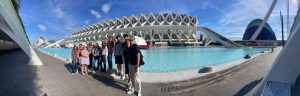


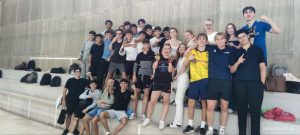


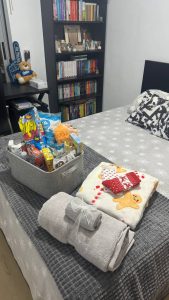

PARTNER VISIT FROM GRAGNANO (ITALY)
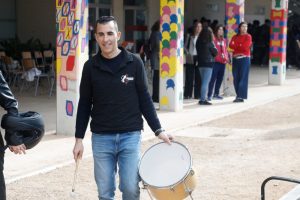
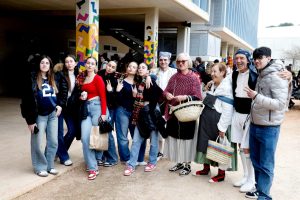
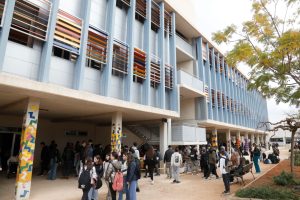


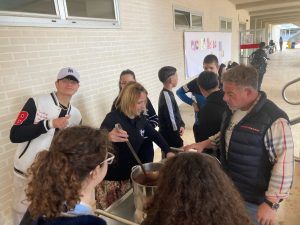


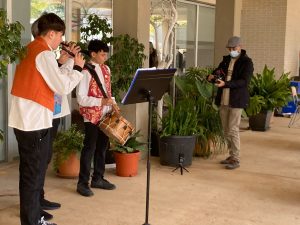

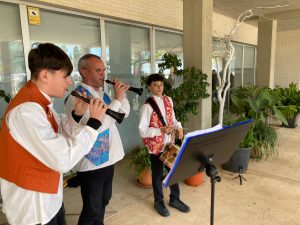
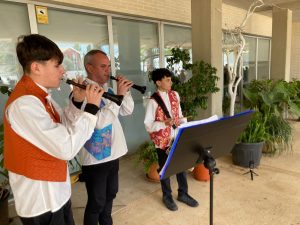


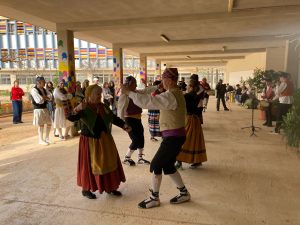




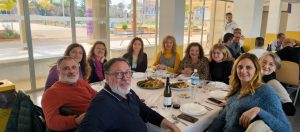
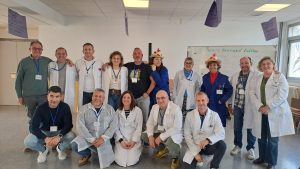



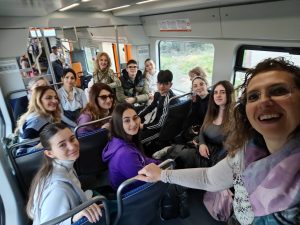

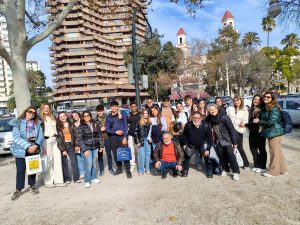

SHORT MOBILITY HAMAR (NORWAY) 21/03/25-28/03/25
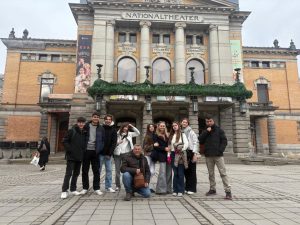
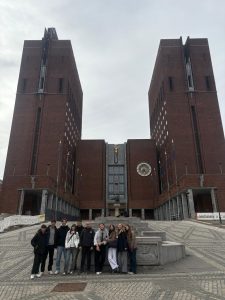
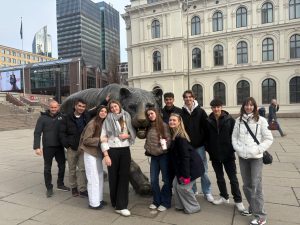
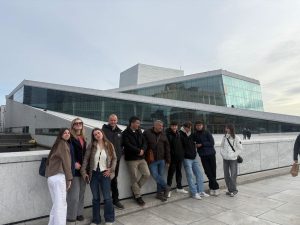
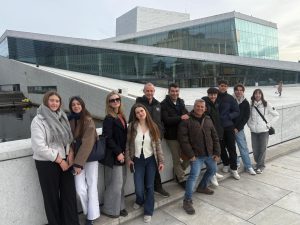
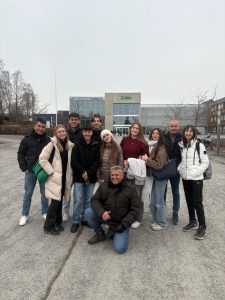
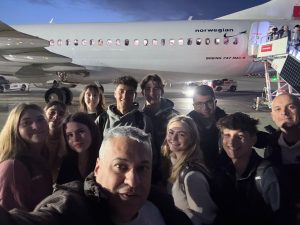
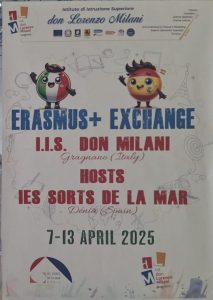
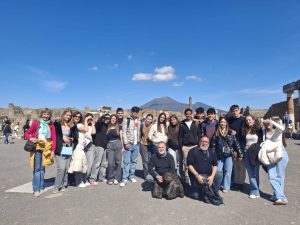
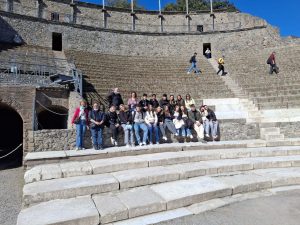
SHORT MOBILITY GRAGNANO (ITALY) 7/04/25-13/04/25
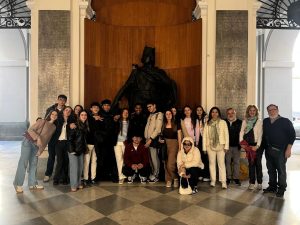
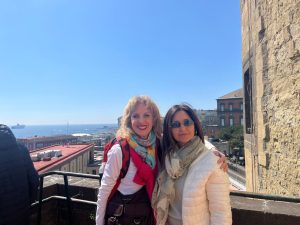
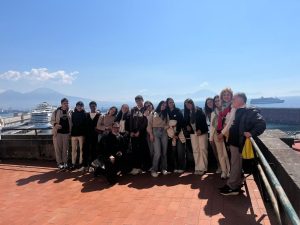
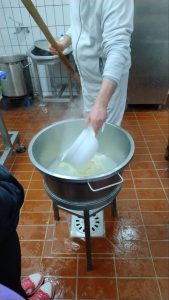
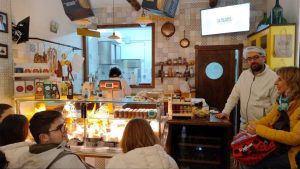
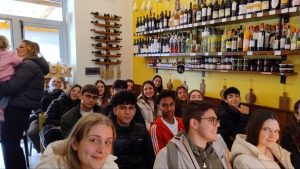
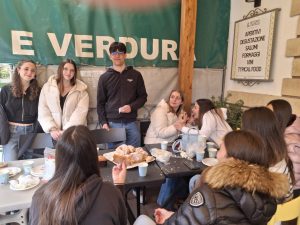
JOBSHADOWING COMO (ITALY)- 28/04/25-03/05/25


– Establish contact in an Italian School near the Milan area due to the historical importance and interest of subsequent visits by teachers and students.
– Analyse and compare the treatment of plurilingualism, study of foreign languages and minority languages. Dialectal differences between southern and northern Italy. Lexical comparison between Valencian and Italian.
– Milan is the capital of design. It has special interest in automotive design (Ferrari/ Alfa Romeo) as well as fashion design. From a technological point of view, the study of the design and manufacturing process of a product is of special interest. The project method : Analysis- Search for Information, Design, Planning, Construction and Verification.
– Compare the model of Italian educational management vs Spanish and curriculum development of technical and linguistic subjects.
– Analyse and link historical heritage and gastronomic heritage
– Analyse the treatment of diversity and inclusion in an Italian centre and make visible the differences between southern and northern Italy.
– Analyse the implementation of a collaborative digital centre and the treatment of information and communication technologies in another European centre and compare the differences.
Mobility would be carried out by the director and vice-director of IES SORTS DE LA MAR DÉNIA
1st Day: Arrival- Reception- Presentation (Coffee).
2nd Day: Visualization of technical (computer laboratory) and scientific classes.
3rd Day: Coordination of diversity treatment – Visit Historical Places
4th Day: Comparative coordination of Spanish vs. Italian Educational Systems and organizational issues – Visit Historical Places.
5th Day: Organization of educational visits to Historical Places for subsequent visits with students.
6th Day: Farewell (Lunch- Coffee).
COMO
Ciudad de la seda y cuna de Alessandro Volta
Tradición sedera de excelencia
A orillas del majestuoso lago que lleva su nombre, Como, en el norte de Italia, destaca como un centro europeo de referencia en la producción de seda desde el siglo XVI.
Su clima suave, ideal para el cultivo de moreras, y la destreza de sus artesanos impulsaron una industria textil de gran calidad. Con las innovaciones tecnológicas de los siglos XVIII y XIX, Como se especializó en diseños y estampados de lujo.
Hoy en día, sigue siendo un nombre de prestigio mundial en el sector de la seda, combinando tradición y modernidad.
Alessandro Volta: innovación y ciencia
Como es también la ciudad natal de Alessandro Volta (1745-1827), físico e inventor de la primera pila eléctrica en 1800.
Su creación revolucionó la ciencia y sentó las bases de la electroquímica moderna. El Tempio Voltiano, museo dedicado a su vida y obra, rinde homenaje a su legado.
Un emblema de arte, ciencia y creatividad
Como fusiona patrimonio, innovación y belleza en un entorno único que continúa inspirando al mundo.
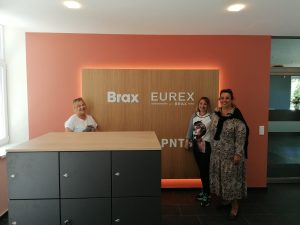
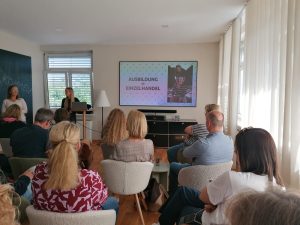
JOBSHADOWING HERFORD(GERMANY)- 12/05/25-16/05/25
-
Establish contact with a German school in Herford due to the importance of administrative and professional management.
-
Analyze and compare the treatment of the productive sector in different companies. Visit and observe companies in the productive environment (food, commerce, marketing, banking, pharmacy, real estate, consulting, insurance, finance…), as well as innovation and educational inclusion projects there.
-
The Herford District (in German: Kreis Herford) is a district in northern Germany, in the Detmold Region (Ostwestfalen-Lippe). It is dominated by food companies, as well as culture, banking, financial companies, real estate, and marketing…
-
Compare the German educational management model with the Spanish one and the curricular development of vocational education (Dual Vocational Training, Intermodular Collaborative Learning Project, Collegiate Committee for Career Guidance, sustainability and digitalization in vocational training…).
-
Analyze and link historical heritage and gastronomic heritage.
-
Analyze the treatment of diversity and inclusion in a German school and highlight the differences between southern and northern Germany.
-
Analyze the implementation of a collaborative digital center and the treatment of information and communication technologies in another European school, and compare the differences.
The mobility will be managed by two Vocational Education teachers from IES SORTS DE LA MAR DÉNIA.
Day 1: Arrival – Reception – Presentation (Coffee).
Day 2: Observation of vocational training classes.
Day 3: Coordination of diversity treatment – Visit to companies.
Day 4: Comparative coordination of the Spanish and German educational systems and organizational issues – Visit to historical sites.
Day 5: Organization of educational visits to commercial establishments (food) and historical places for future student visits.
Day 6: Farewell (Lunch – Coffee).








Archaeological Research Project. Elective Subject – 1st Year of Baccalaureate.
Learning Situation: Prehistoric Painting.
The situation is designed as a practical experimental archaeology workshop, where a central question is posed: How and with what did prehistoric people paint? An experiment is then created following the scientific method to find an answer.
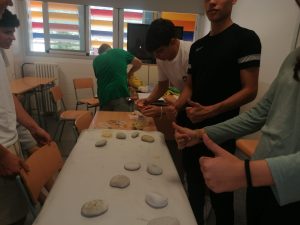
The experiment involves, after studying and researching information about prehistoric painting, creating six types of paint by combining two natural pigments (mineral: clay, and plant-based: turmeric) and three natural binders (animal fat, honey, and egg yolk). Then, six stones are painted, imitating motifs from the studied prehistoric period. Two additional stones are painted using pigment diluted in water, without any binder, to serve as control elements to analyze the role of the binders. The entire process is documented and recorded.
Afterwards, the stones will be buried in the recreation of the Azilian prehistoric site that we have been planning since the beginning of the school year. When it is excavated next year by another group of students, it will be possible to investigate how the burial time has affected the conservation and characteristics of the different paint compositions. The images and data taken before and after the burial period will be compared, helping us to discover which type of paint best resists the passage of time and how each one changes.
In archaeology, the study of cave paintings has been raising questions for over a century regarding the pigments and binders used by prehistoric populations. Our experiment can contribute to a better understanding of this scientific question.
This project combines history, archaeology, technology, chemistry, and even visual and plastic arts.




https://go.ivoox.com/rf/136084317