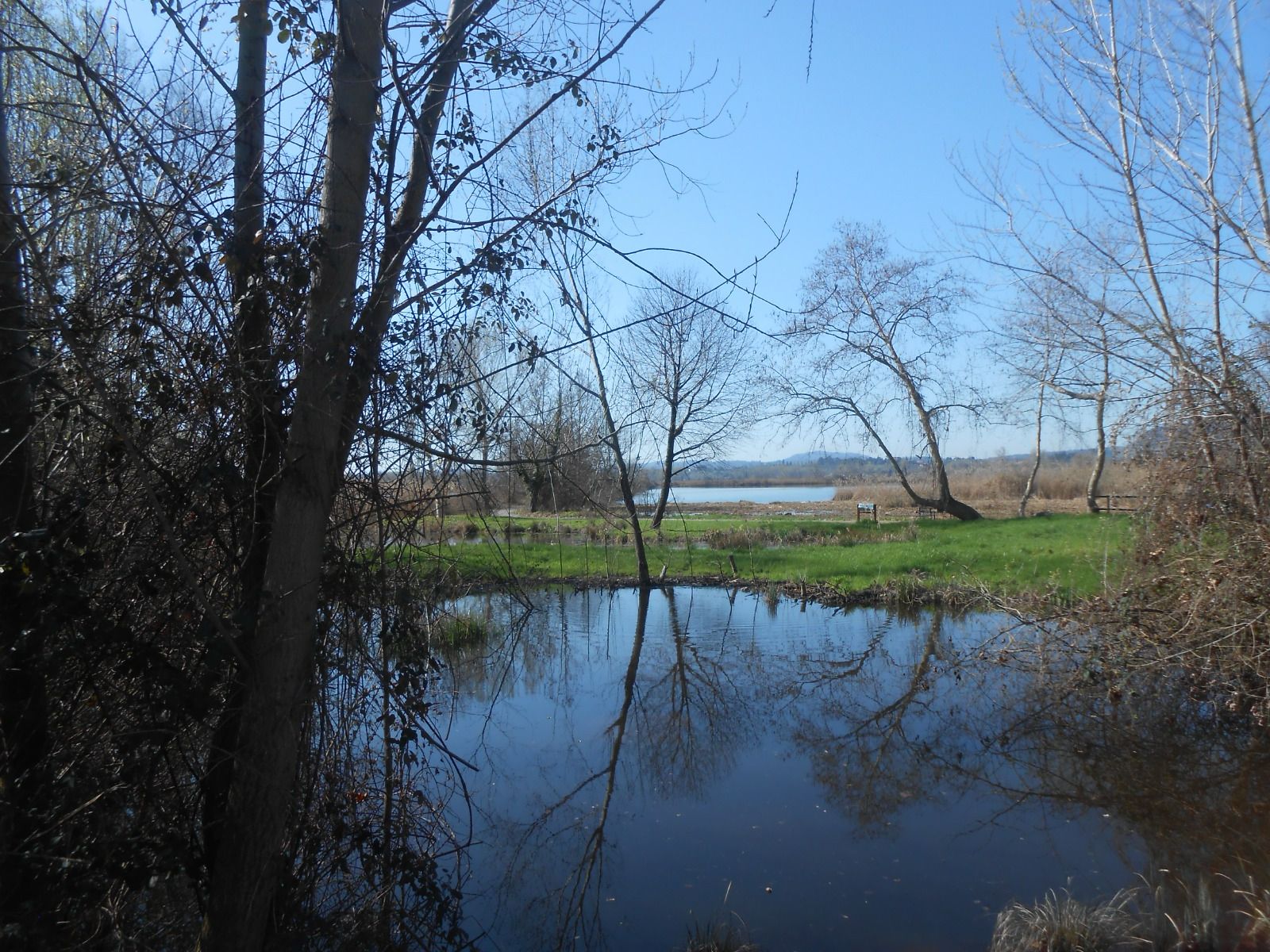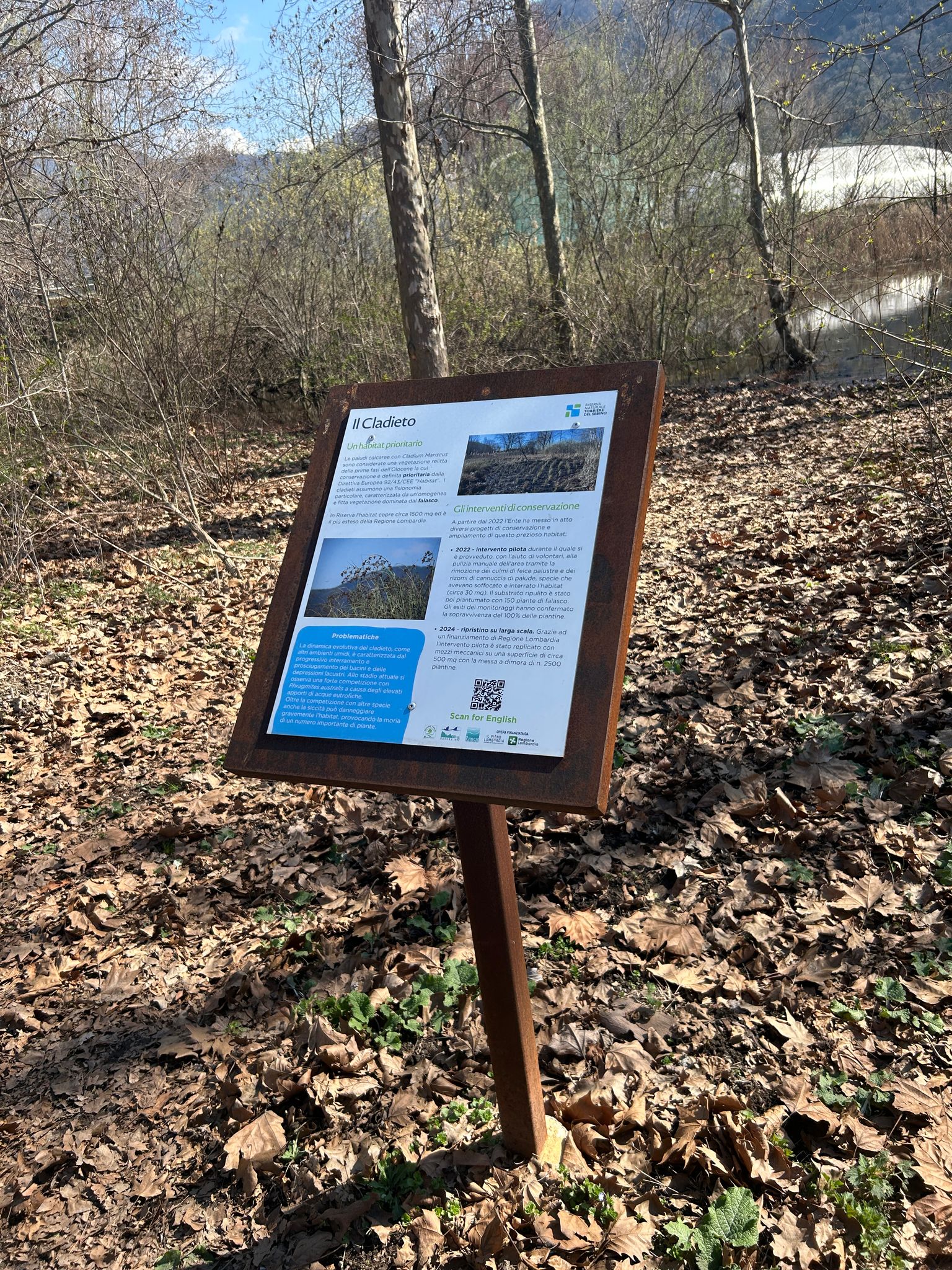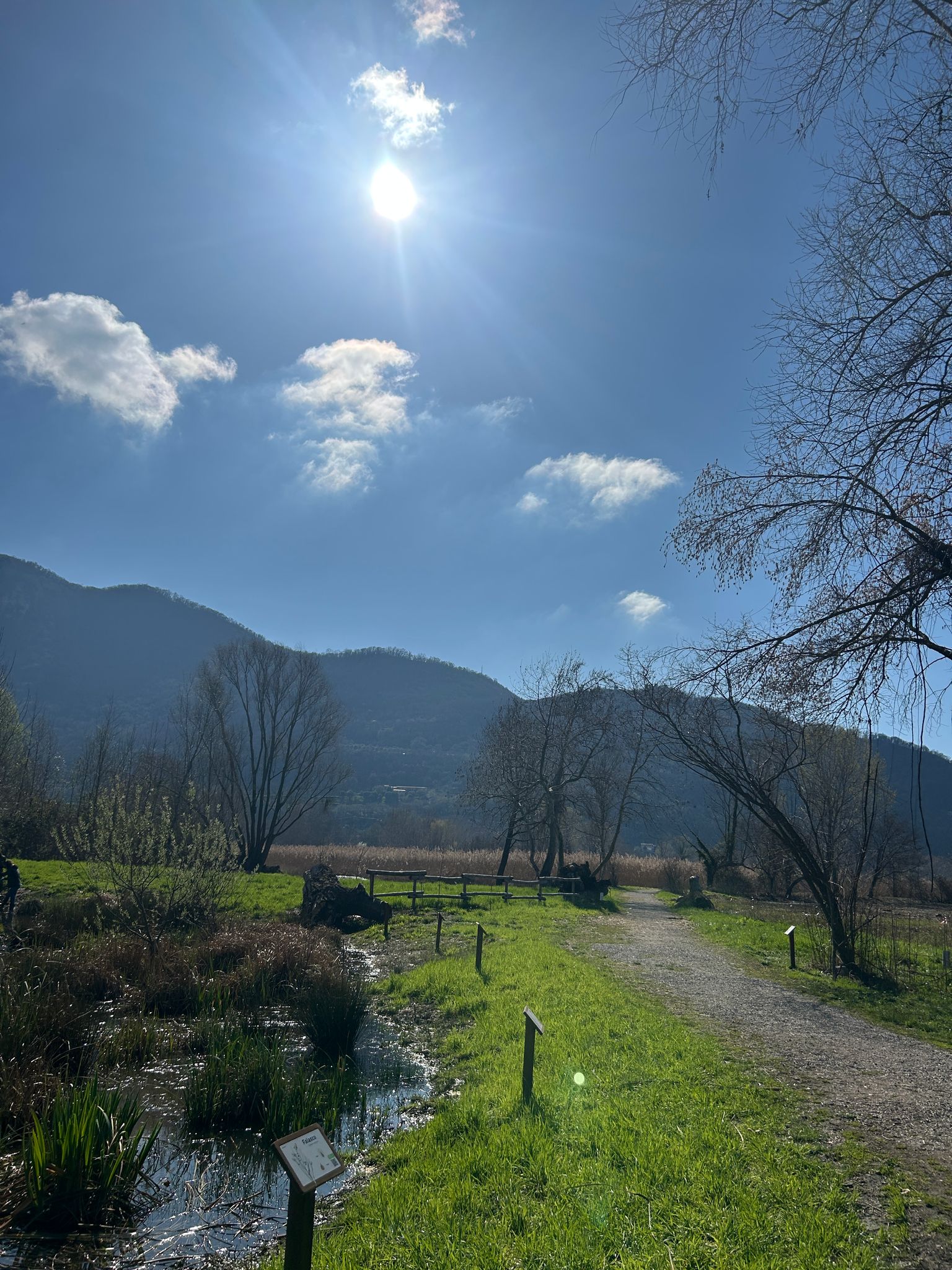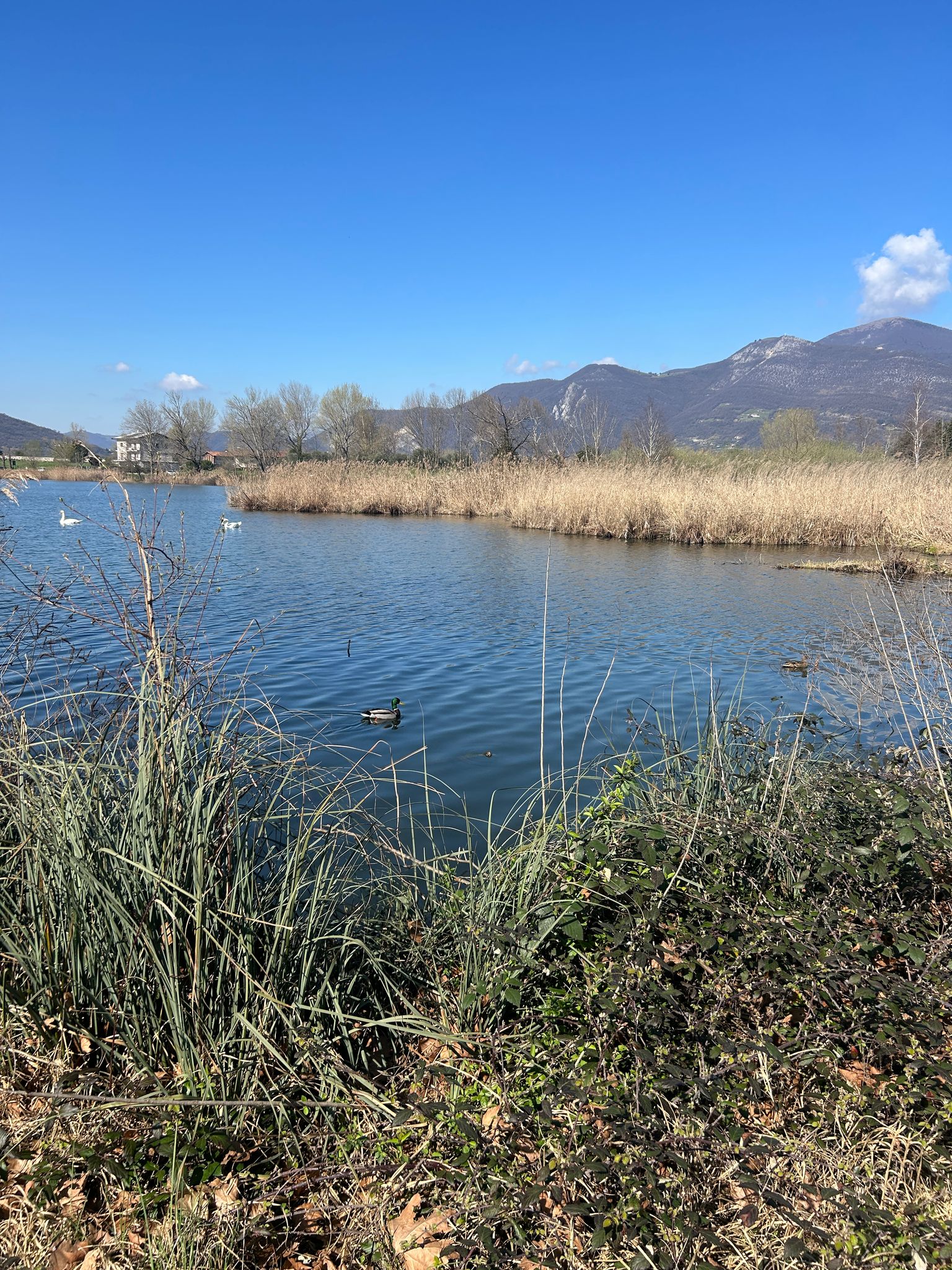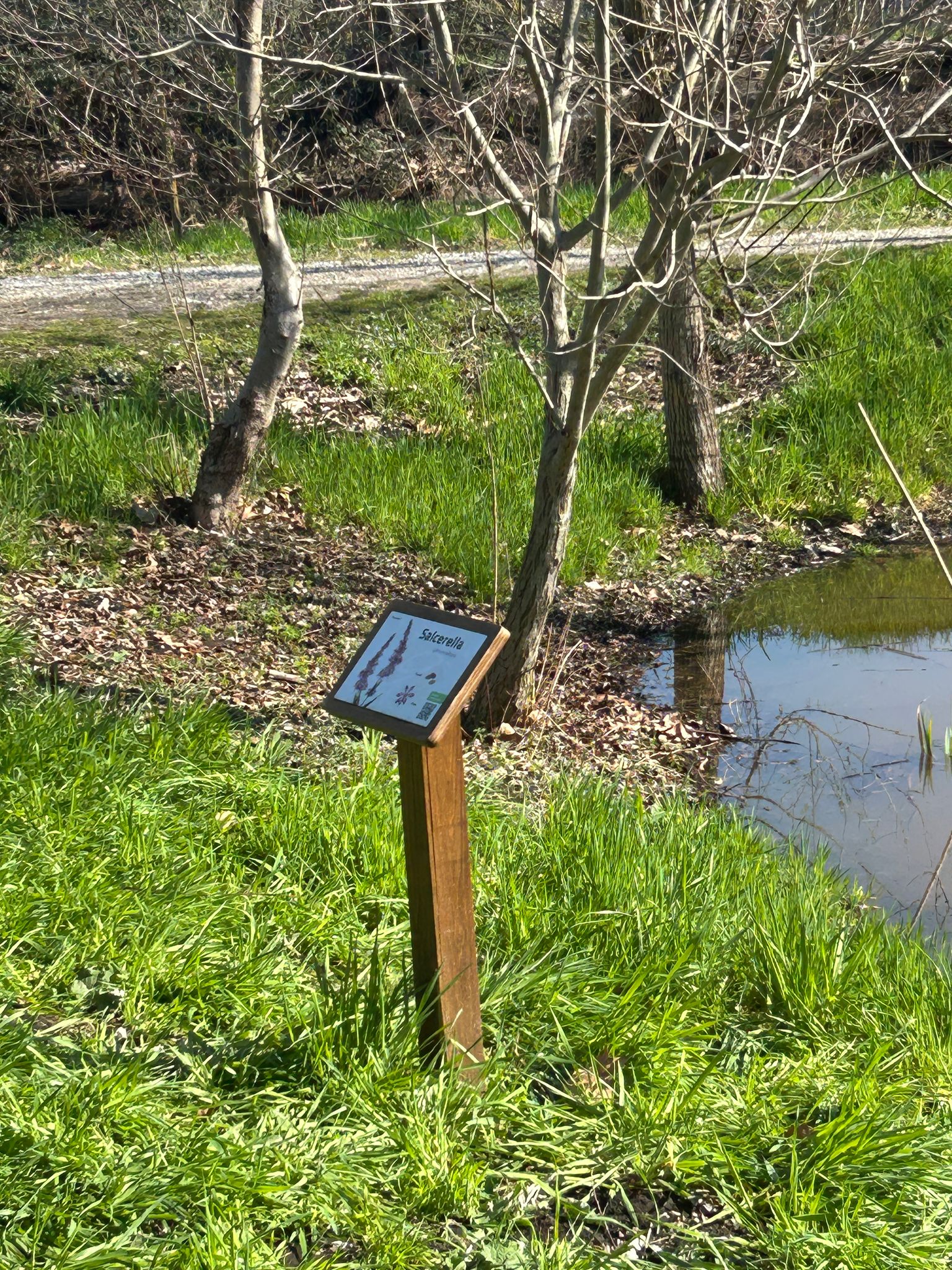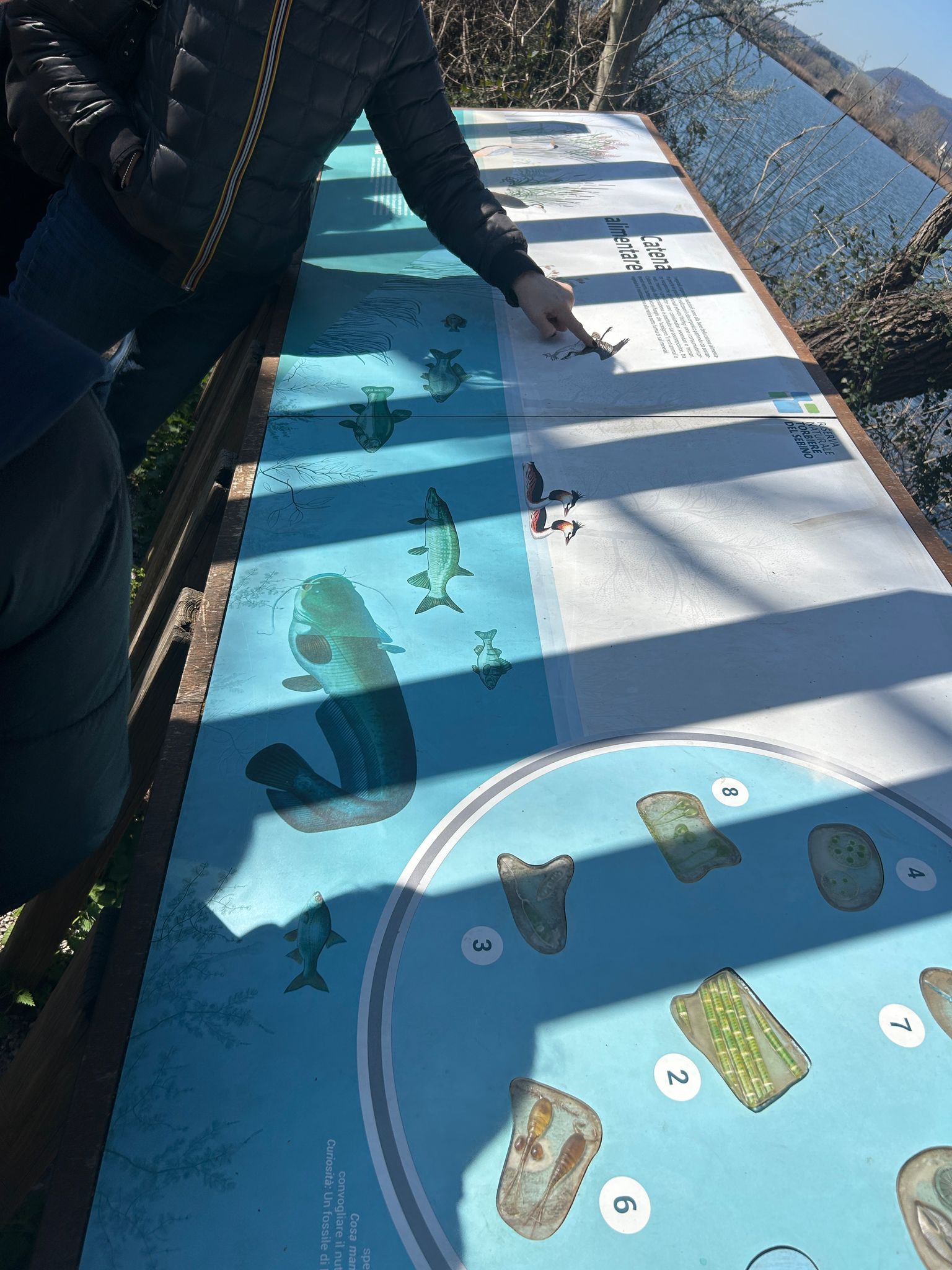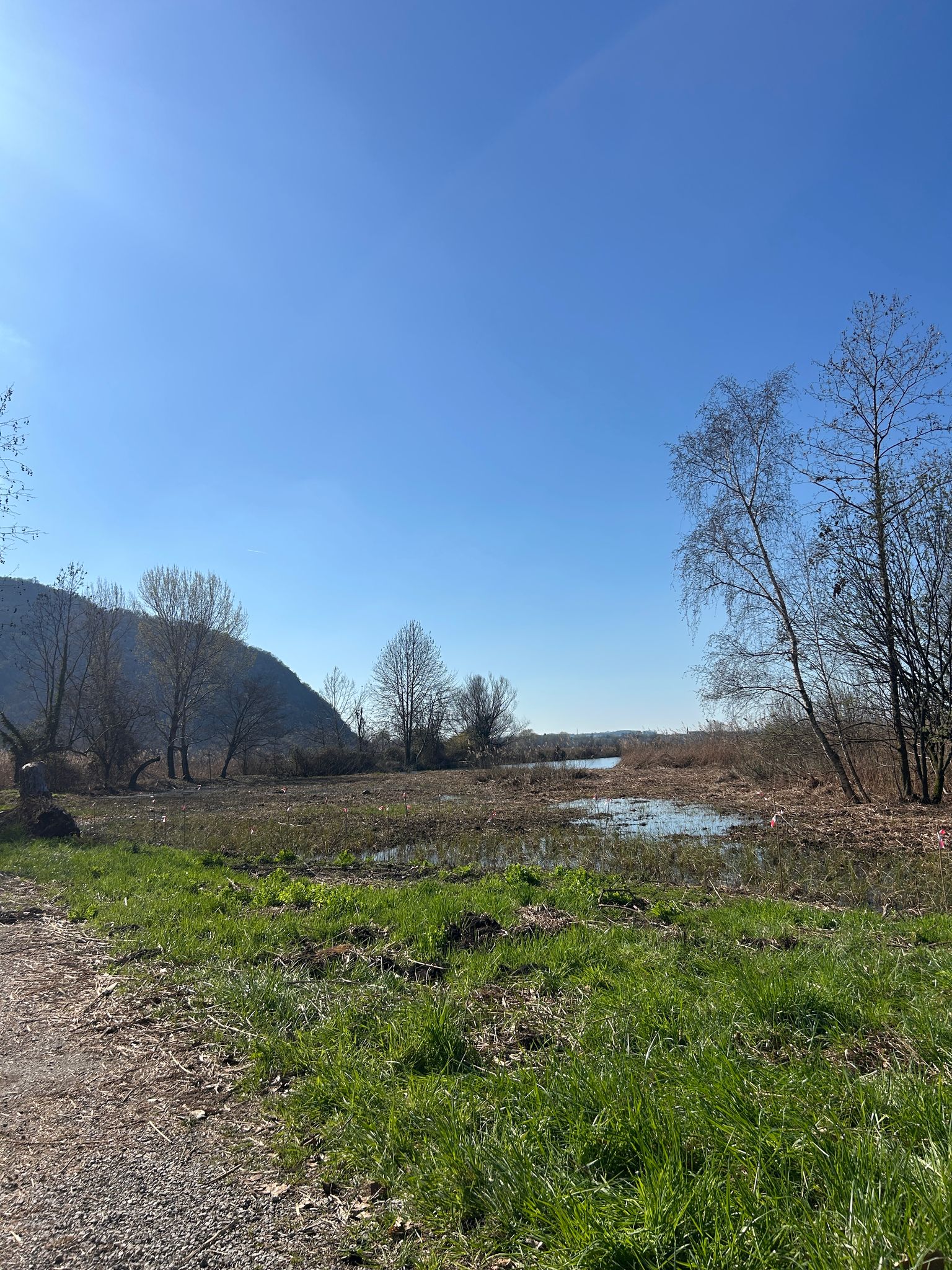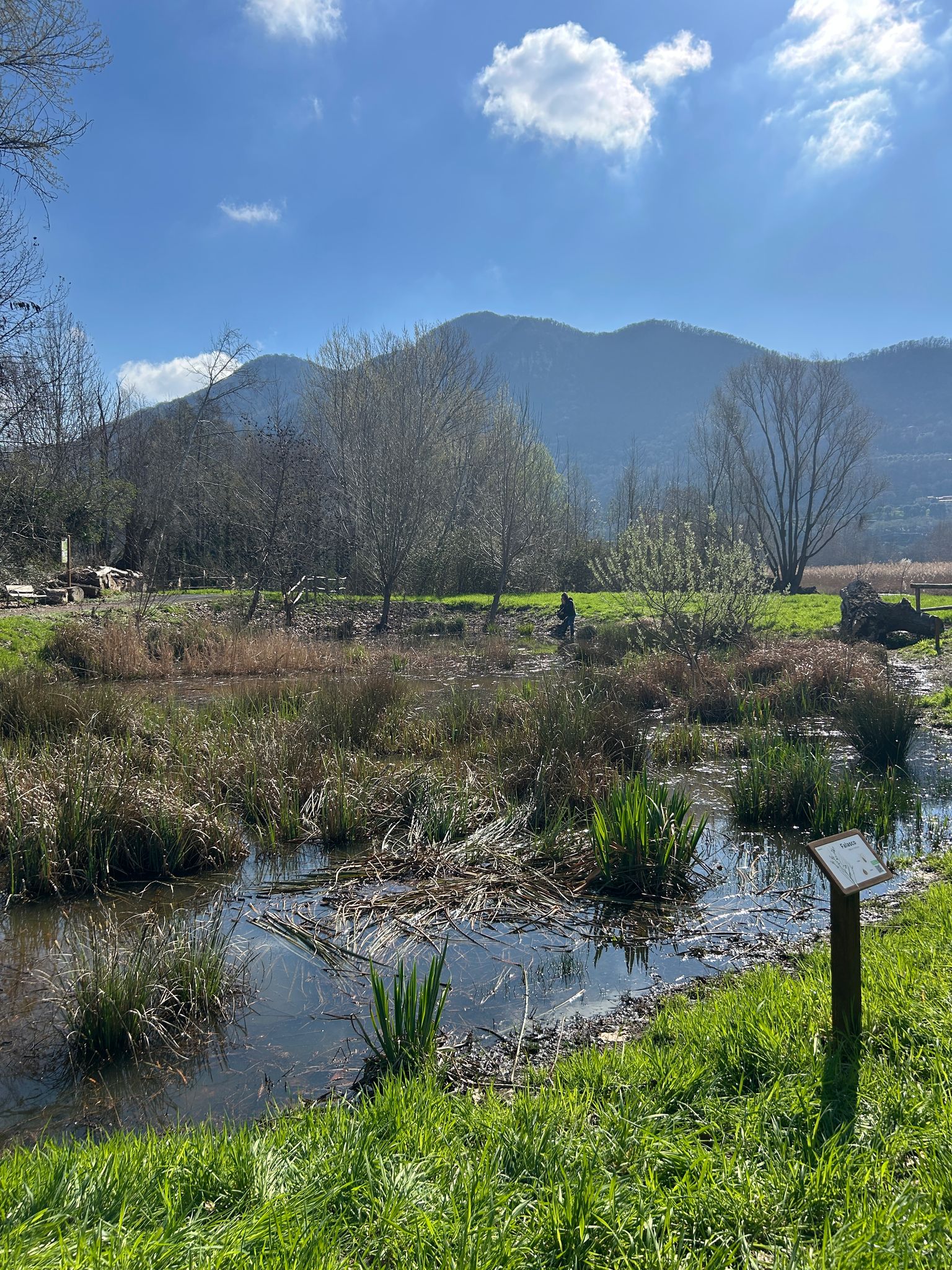
Comparison between the Torbiere del Sebino in Italy and the Parque Natural El Hondo in Spain, in Elche.
Both are wetland ecosystems that play a crucial role in biodiversity conservation, water regulation, and ecological balance. Here are some key points of comparison:
1. Geographical and Historical Context
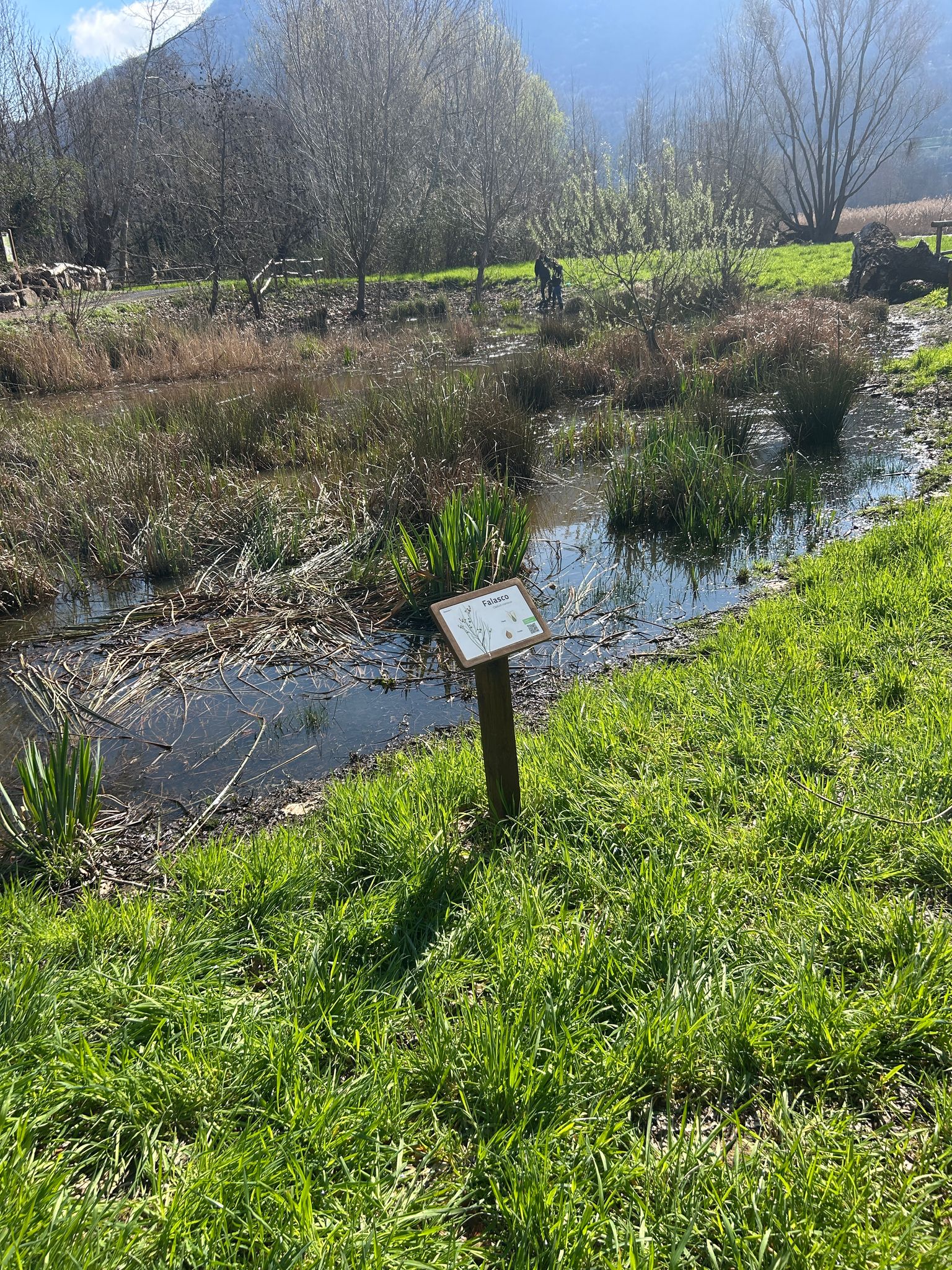
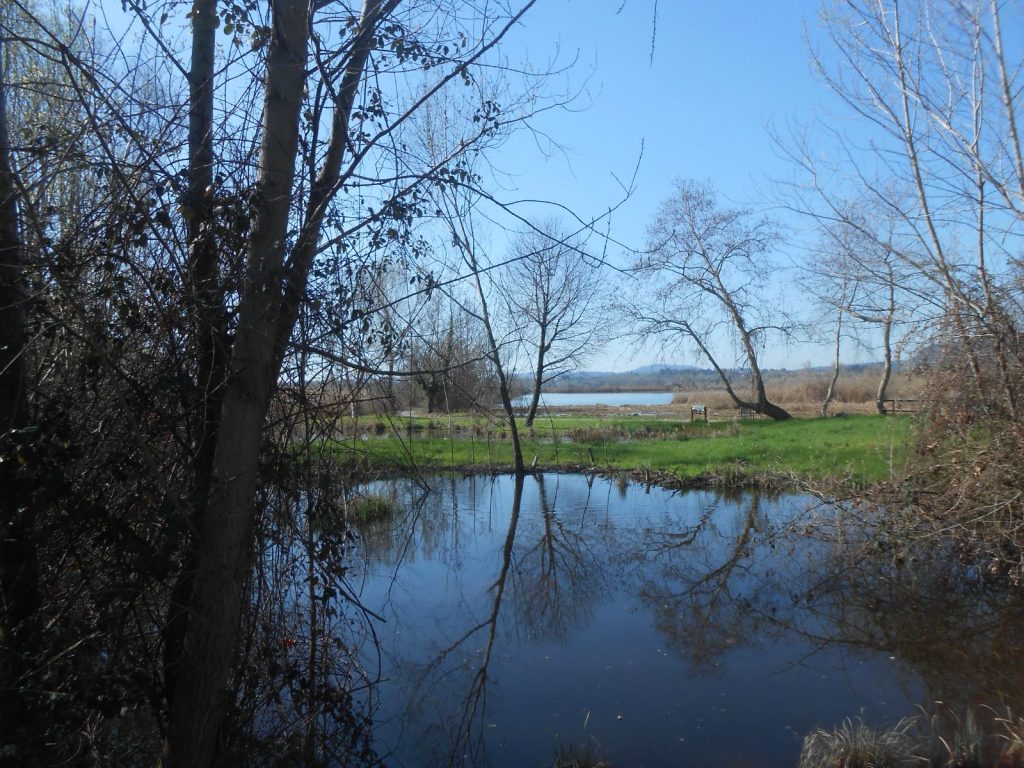
- Torbiere del Sebino (Italy): Located near Lake Iseo in Lombardy, it was originally a peat extraction site and later became a protected natural reserve.
- Parque Natural El Hondo (Spain): Situated in the province of Alicante, it was historically linked to salt production and irrigation.
2. Ecosystem and Biodiversity
- Torbiere del Sebino: Characterized by freshwater marshes, reed beds, and peat bogs, it is home to migratory birds, amphibians, and aquatic plants.
- El Hondo Wetlands: Includes brackish and freshwater lagoons, reed beds, and salt marshes, supporting rare species like the marbled teal and the white-headed duck.
3. Ecological Importance
- Both areas serve as critical bird migration stopovers and breeding sites for various waterfowl.
- They act as natural water filters and help in flood control.
- They are protected under international conventions (Ramsar sites).
4. Conservation Challenges
- Torbiere del Sebino: Threats include pollution, invasive species, and human activities such as tourism and agriculture.
- El Hondo Wetlands: Faces water scarcity, climate change, and urban expansion affecting its delicate balance.
Conclusion
Both reserves are vital wetland ecosystems with similar biodiversity and conservation challenges, though El Hondo has a more Mediterranean-arid influence, while Torbiere del Sebino is more temperate and humid. A comparative study could be valuable for sharing conservation strategies and sustainable management practices.
detailed comparison of the Torbiere del Sebino (Italy) and the Parque Natural El Hondo (Spain), focusing on their geography, ecosystems, biodiversity, conservation challenges, and management strategies..
Key Similarities & Differences
Similarities:
- Both are protected wetland ecosystems crucial for migratory birds.
- Both face conservation challenges related to urbanization, invasive species, and climate change.
- Both are recognized under international agreements (Ramsar, Natura 2000).
- Both are important for eco-tourism and environmental education.
Differences:
- Torbiere del Sebino is a freshwater wetland in a temperate region, while El Hondo is a brackish/freshwater mixin a semi-arid climate.
- El Hondo depends on human-managed water supplies, whereas Torbiere del Sebino relies more on natural water sources.
- Biodiversity differs: Torbiere del Sebino has species adapted to peat bogs and reed beds, while El Hondo supports salt-tolerant species and rarer birds like the marbled teal.
Final Thoughts
A comparative study between the two could focus on sustainable water management in wetlands with different climates. El Hondo’s artificial water supply techniques could offer insights for drought mitigation in Italy, while Torbiere del Sebino’s pollution control strategies might help Spain improve water quality in fragile ecosystems