


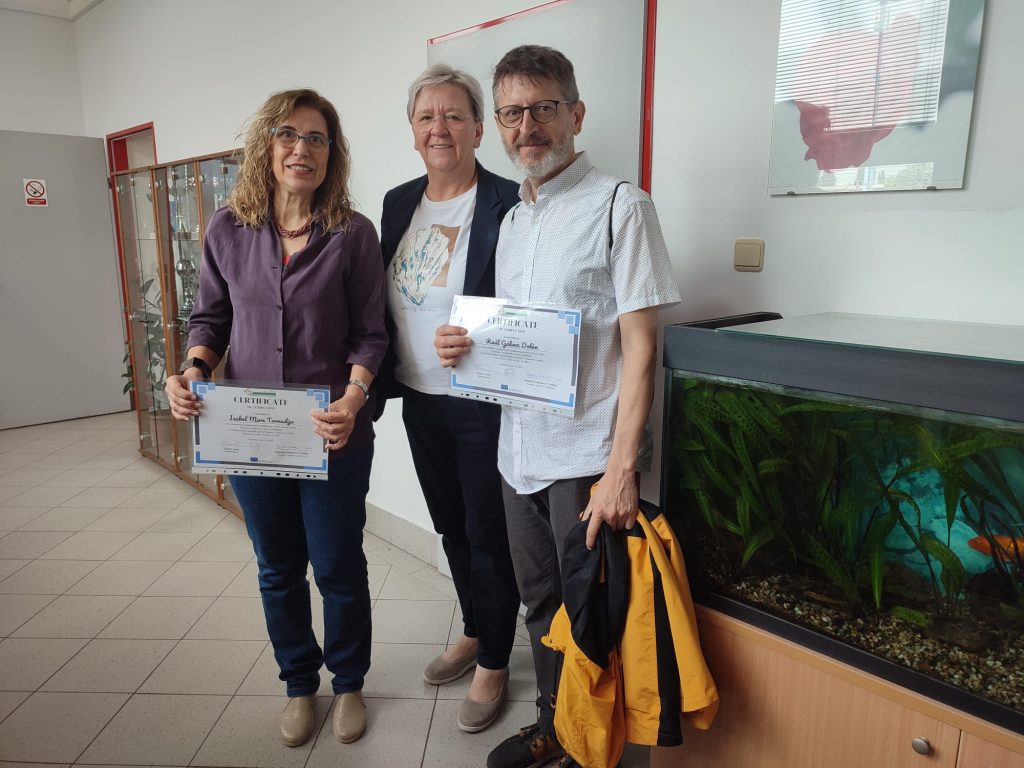
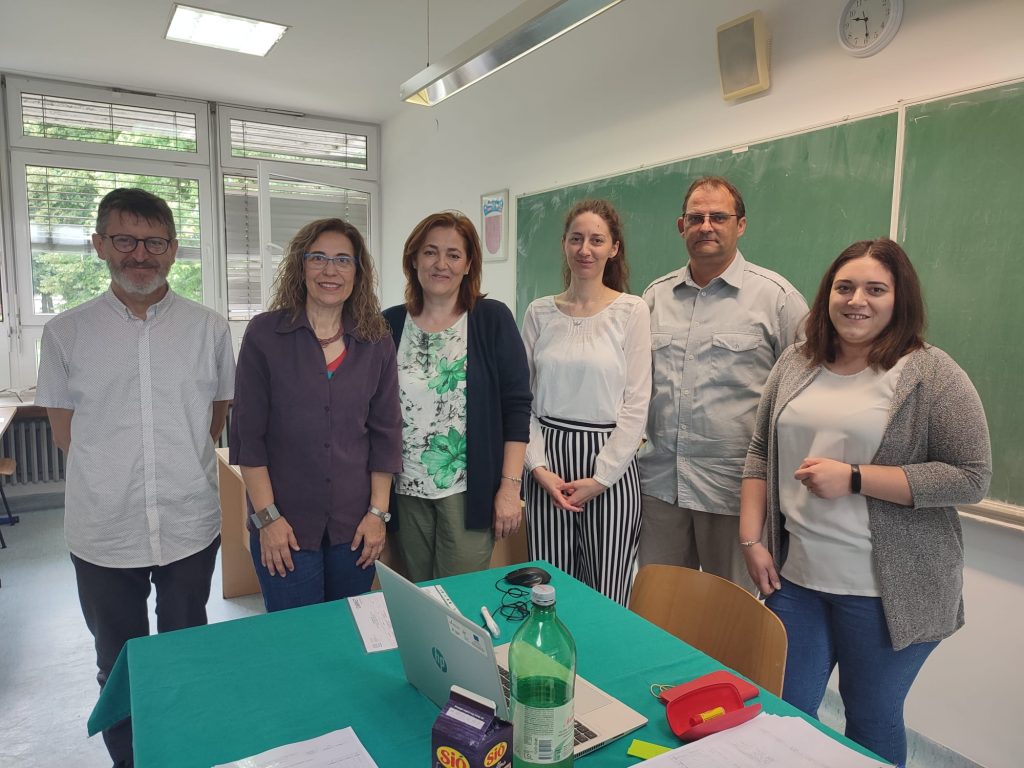
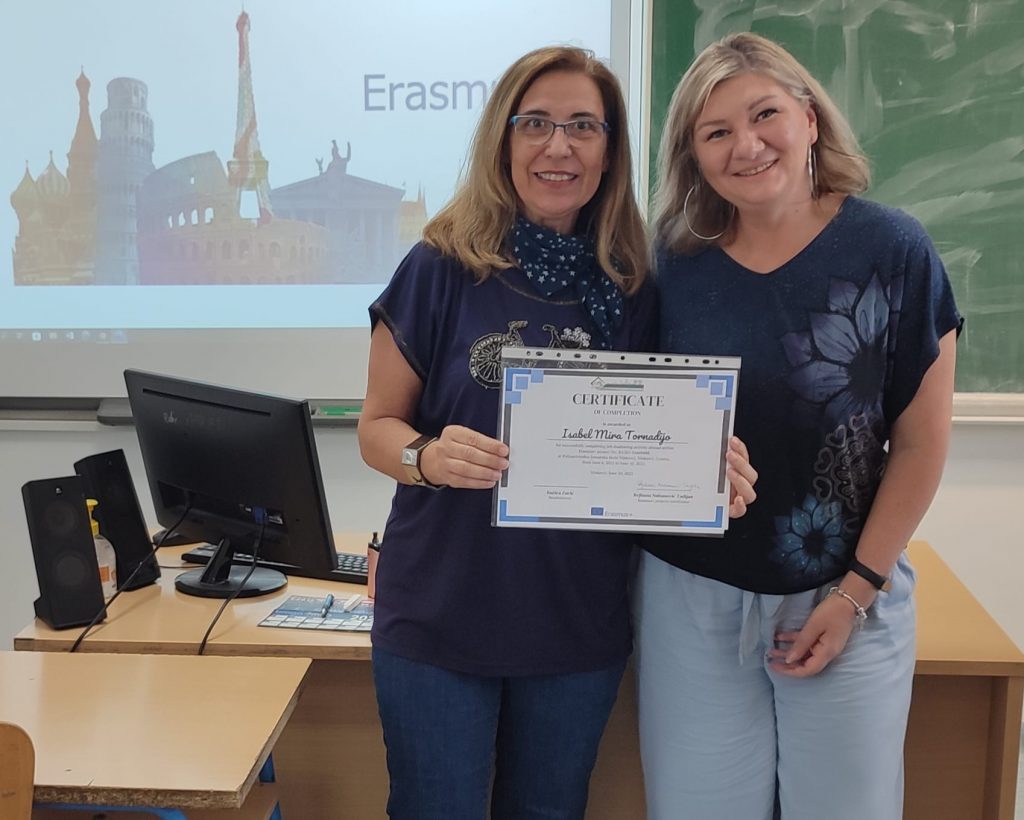
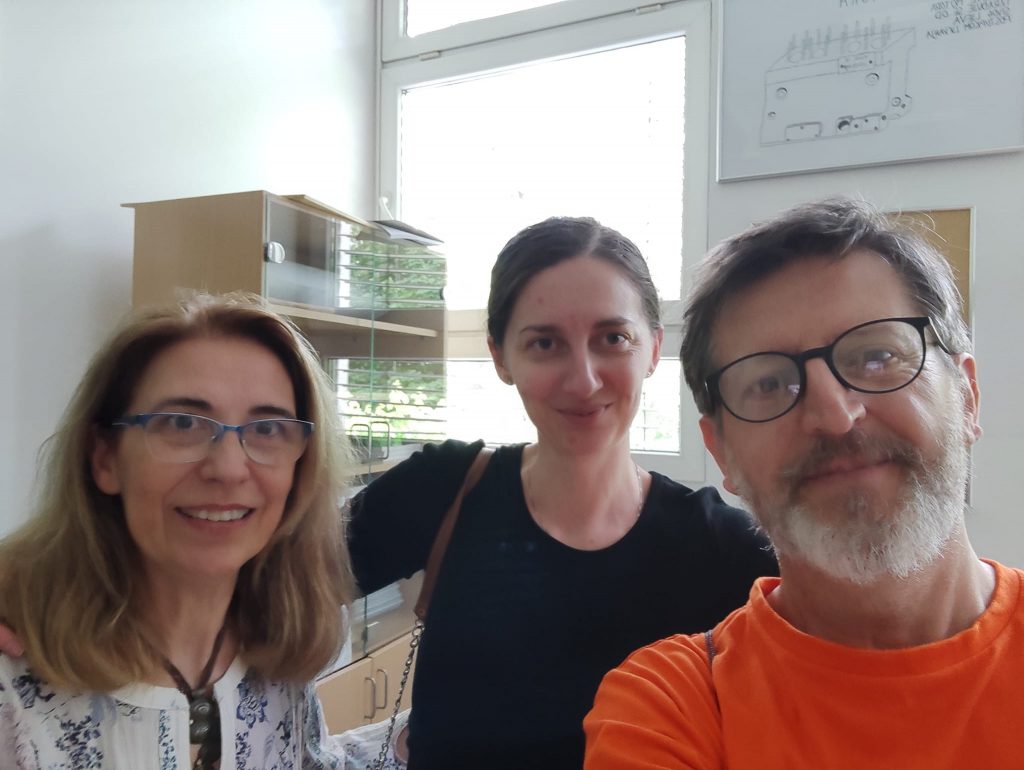
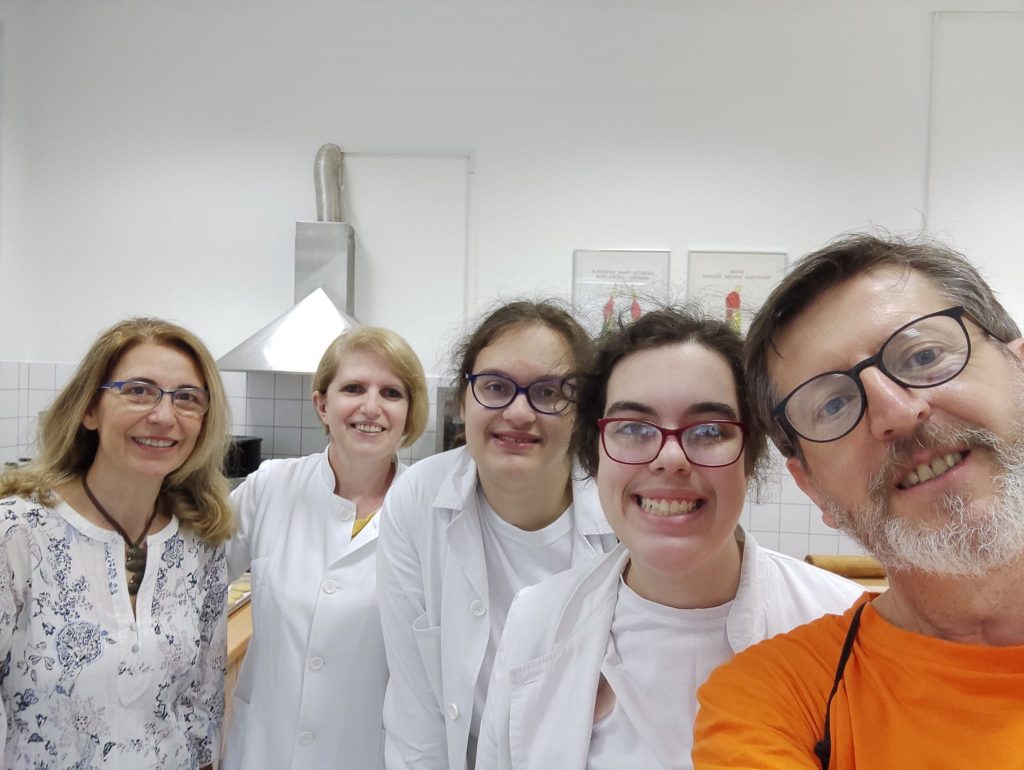
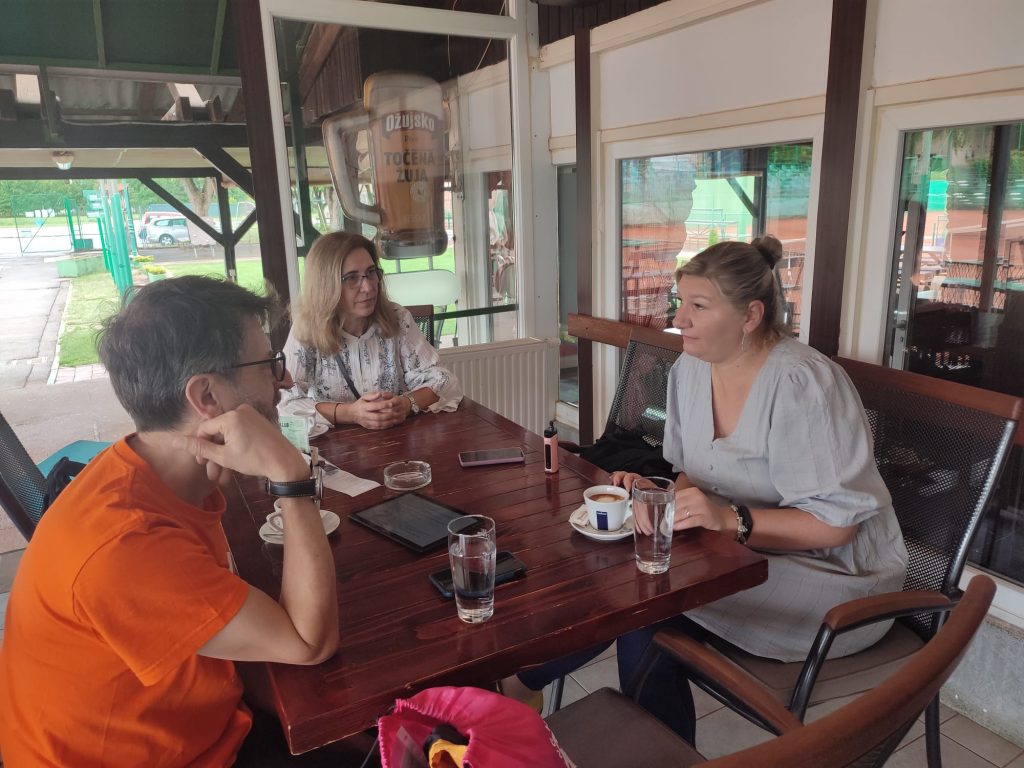
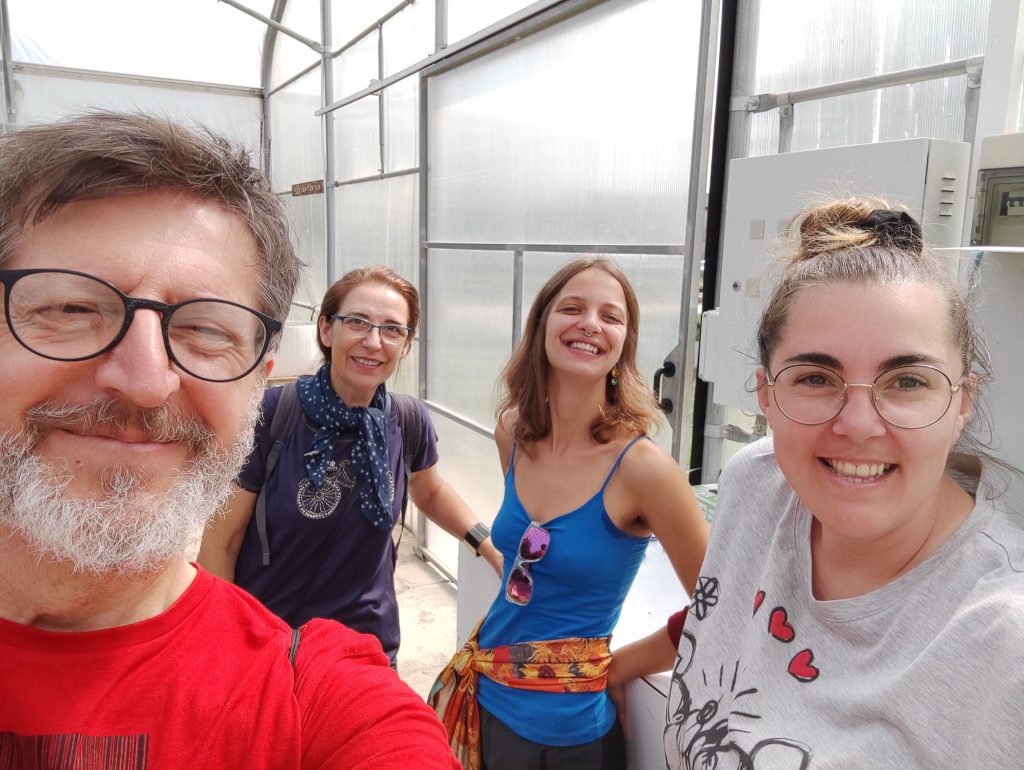
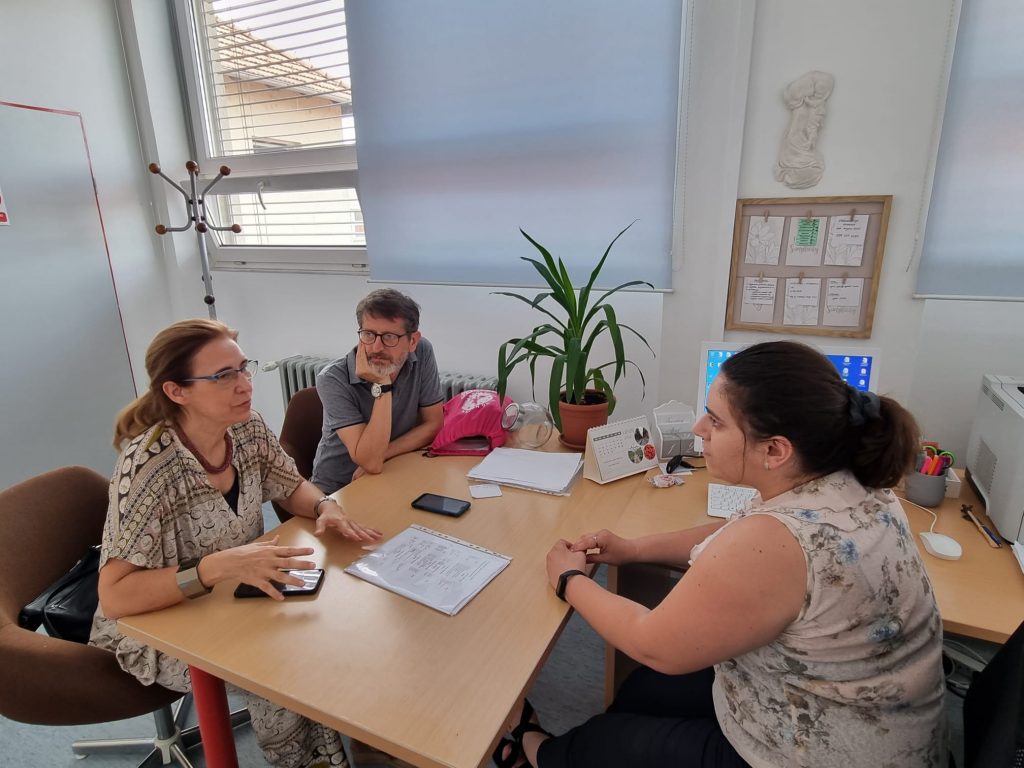
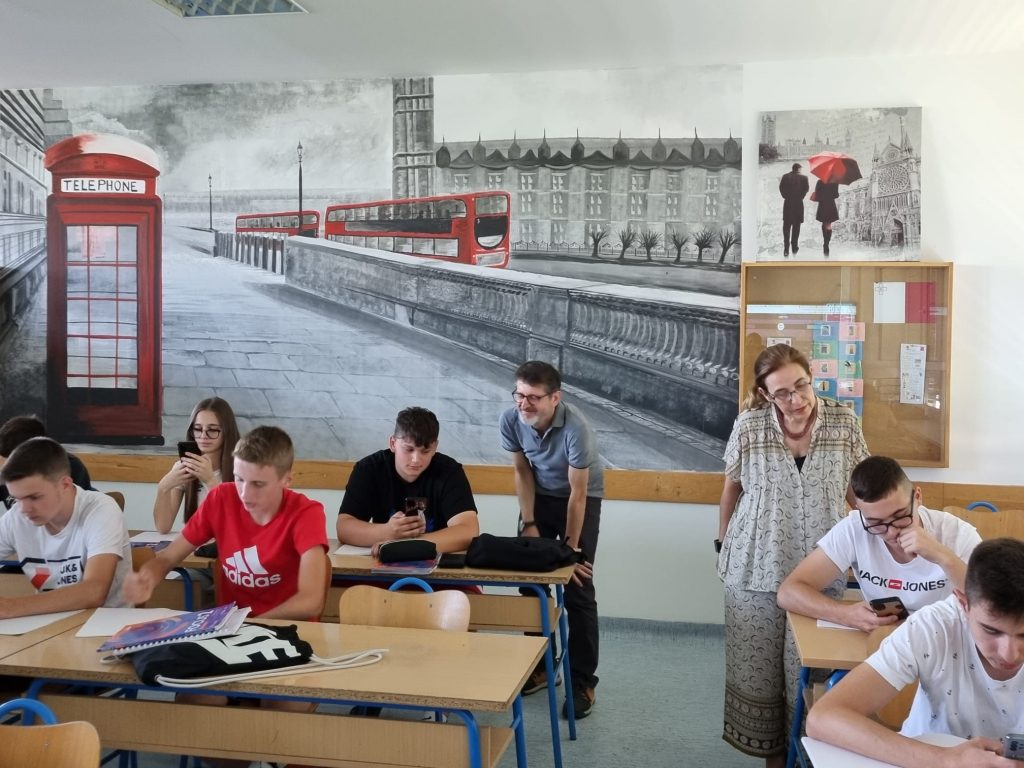
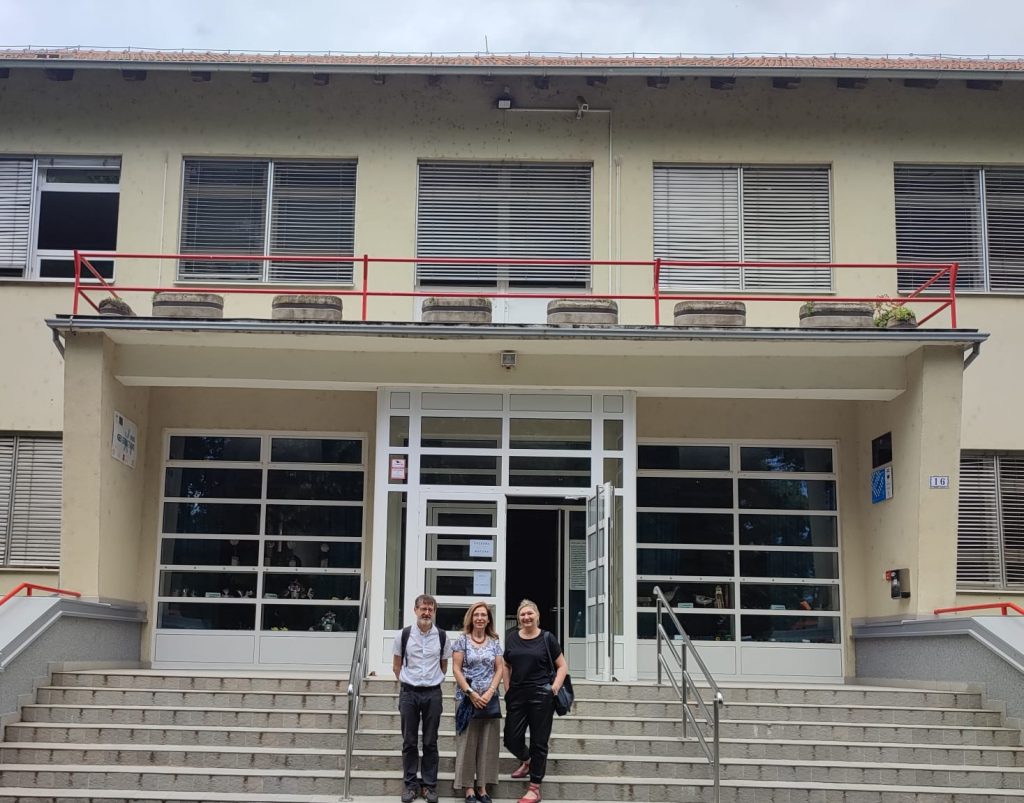
ISABEL MIRA (HEAD TEACHERS and PHYSICS department) and I, RAUL GALVEZ (ARTS department) carried out a mobility, within the centre’s Erasmus+ project, to Vinkovci, Croatia, where we were living the day-to-day life of Poljoprivredno šumarska škola, Agricultural and forestry vocational training school 6th to 10th June, 2022.
Poljoprivredno šumarska škola is located in the Croatian town of Vinkovci, Vukovar-Srijem County, which has about 35,000 inhabitants. The families of the students of the centre are usually low-income and dedicate themselves to agriculture, hunting and livestock, but few of them decide to enter the school since they have the basic knowledge of the family tradition. The centre has hydroponic planting facilities in greenhouses, seedbeds, vineyards, orchards, raised terraces, forestry facilities around the city, all with the aim of providing the highest quality education for its students.
The school has students from ages 15 to 19: agrotechnician, forestry technician, agricultural technician in phytopharmacy, agricultural machinery mechanic, florist, baker, butcher, farmer, gardener and also students with special non-physical needs (baker and gardener).
Students complete their education with matura (leaving exam) or mature državna (state level exam) if they want to enter university.
The goal of the school is to attract the majority of farmers in the area and provide them with skills that they can use later, as well as business and market knowledge, in the areas where they are relevant, and adaptation to new technological skills. They have 360 students and 34 groups, 15% of them with special needs. The duration of the studies is 3 or 4 years depending on the specialty.
The management of the school is legally entrusted to a team of 7 members (2 faculty representatives, 1 family, 1 student and 3 representatives of the founders, including a secretary), headed by the director/principal Ružica Zucić, B.Sc. The director does not have classes, responsible for organization, financing and administration and she was a teacher 25 years before the role that she occupies.
Depending on the specialty they have more boys than girls, but in floristry they have more girls. In bakery and phytopharmacy they are the same, in mechanics they are all boys… In agrotechnics they have 60% boys and in forestry they have 80-90%. In butcher almost all boys.
● They do not have a fixed schedule, they generally work in two shifts.
● They do not have mediation groups, for interventions there is a school pedagogue and a psychologist.
● They teach English and German as a foreign language.
● They have wifi and projectors in almost every classroom, every teacher has a laptop. For
English/Math/Physics/Biology/Chemistry there are specialist classrooms as well as a kitchen for bakers. In the school garden there are many machines and greenhouses with the latest technology and where they make apple chips, juices, vinegar, wine, compotes and jams, cosmetic creams…
● They have 60% general education (English, Mathematics, History, Physics, Chemistry, Biology focused on agriculture) and 40% vocational subjects.
● There are usually no behavior problems, in case of sanction they do social services.
Through our stay at the Poljoprivredno šumarska škola the following facts caught our attention: in all the classrooms there is a sink and a sponge in a corner to clean the blackboard and the students do it voluntarily, they enter class after the teacher, and they usually carry a mobile phone that they leave on the table next to the blackboard in some subject, when they have to collect data dictated by the teacher, they write in A5 notebooks, the counselor enters the classrooms to improve teaching, the use of an extracurricular
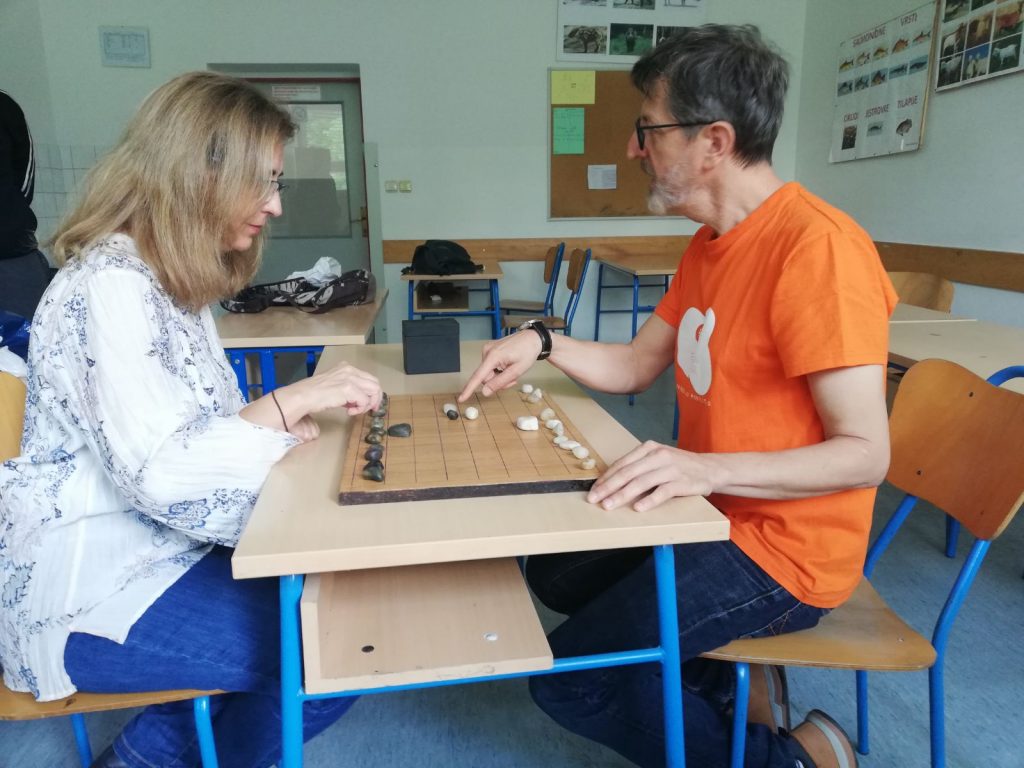
program (latrunculi game) to help students with grade problems, the great diversity of products they can produce and of which they sell the surplus, the number of Erasmus projects that the coordinator can carry out, at the time of the visit they have an Erasmus student from Valencia on a 3-month stay to whom we do a short interview and another day she shows us the horticultural installations, Physics class there is a moment that they dedicate to first aid and they bandage each other’s hand, there is an annual first aid contest.
During this time we were really welcomed by the entire Croatian school community who taught us the whole system with all their love, we feel fully grateful.
Isabel Mira &
Raul Galvez
ISABEL MIRA (DIRECTORA DEL DEPARTAMENT DE FÍSICA) i jo, RAUL GALVEZ (DEPARTAMENT D’ARTS), realitzarem una mobilitat, dins del projecte Erasmus+ del centre, a Vinkovci, Croàcia, on vam conèixer la vida quotidiana de la Poljoprivredno šumarska škola, una escola de formació professional.
La Poljoprivredno šumarska škola es troba a la ciutat croata de Vinkovci, al comtat de Vukovar-Srijem, amb uns 35.000 habitants. Les famílies de l’alumnat del centre solen ser de recursos baixos i es dediquen a l’agricultura, la caça i la ramaderia, però pocs decideixen ingressar a l’escola, ja que coneixen la tradició familiar. El centre compta amb instal·lacions de cultiu hidropònic en hivernacles, planters, vinyes, horts, terrasses elevades i instal·lacions forestals a tota la ciutat, tot amb l’objectiu de brindar una educació de la més alta qualitat als seus estudiants.
L’escola compta amb estudiants de 15 a 19 anys: agrotècnic, tècnic forestal, tècnic agrícola en fitofarmàcia, mecànic de maquinària agrícola, florista, forner, carnisser, pagès, jardiner i també estudiants amb necessitats especials no físiques (forner i jardiner).
Els estudiants completen la seua educació amb l’examen de finalització d’estudis o l’examen estatal si volen ingressar a la universitat.
L’objectiu de l’escola és atraure la majoria dels agricultors de la zona i brindar-los habilitats que puguen aplicar posteriorment, així com coneixement empresarial i de mercat a les àrees on siguen rellevants, i adaptació a noves habilitats tecnològiques. Compta amb 360 estudiants i 34 grups, el 15% amb necessitats especials. La durada dels estudis és de 3 o 4 anys, depenent de l’especialitat. La gestió de l’escola està legalment a càrrec d’un equip de 7 membres (2 representants del professorat, 1 família, 1 estudiant i 3 representants dels fundadors, incloent-hi una secretària), encapçalats per la directora/directora Ružica Zucić, llicenciada en Ciències. La directora no imparteix classes, és responsable de l’organització, el finançament i l’administració, i va ser professora durant 25 anys abans d’ocupar el càrrec que ocupa.
Segons l’especialitat, hi ha més nois que noies, però a la floristeria hi ha més noies. En fleca i fitofarmàcia la proporció és similar; en mecànica són tots nois. A agrotècnia hi ha un 60% de nois i en silvicultura un 80-90%. A carnisseria, gairebé tots són nois.
● No tenen horari fix; generalment treballen en dos torns.
● No tenen grups de mediació; per a les intervencions, compten amb un pedagog escolar i un psicòleg.
● Ensenyen anglès i alemany com a llengües estrangeres.
● Disposen de wifi i projectors a gairebé totes les aules, i cada professor té un portàtil. Per a Anglès, Matemàtiques, Física, Biologia i Química, hi ha aules especialitzades, així com una cuina per a rebosters. A l’hort escolar hi ha moltes màquines i hivernacles amb l’última tecnologia, on elaboren xips de poma, sucs, vinagre, vi, compotes, melmelades i cremes cosmètiques.
● El 60% de les assignatures són d’educació general (Anglès, Matemàtiques, Història, Física, Química i Biologia amb especialització en agricultura) i el 40% de formació professional.
● No solen presentar-se problemes de conducta; en cas de sanció, ofereixen serveis socials.
Durant la nostra estada a la Poljoprivredno šumarska škola ens van cridar l’atenció les dades següents: a totes les aules hi ha un lavabo i una esponja en un racó per netejar la pissarra i els alumnes ho fan voluntàriament, entren a classe després del professor, i solen portar un mòbil que deixen a la taula al costat de la pissarra en alguna assignatura, quan han de recollir, l’orientadora entra a les aules per millorar la docència, l’ús d’un programa extraescolar (joc de latrunculi) per ajudar l’alumnat amb problemes de nota, la gran diversitat de productes que poden produir i dels que venen l’excedent, la quantitat de projectes Erasmus que pot dur a terme la coordinadora, en el moment de la visita tenen una estudianta horticultura, a la classe de Física hi ha un moment que dediquen a primers auxilis i es venen la mà, hi ha també un concurs anual de primers auxilis…
Durant aquest temps, vam ser molt ben rebuts per tota la comunitat escolar croata, la qual ens van ensenyar tot el sistema amb molt d’afecte.
Estem profundament agraïts.
Isabel Mira i Raúl Gálvez