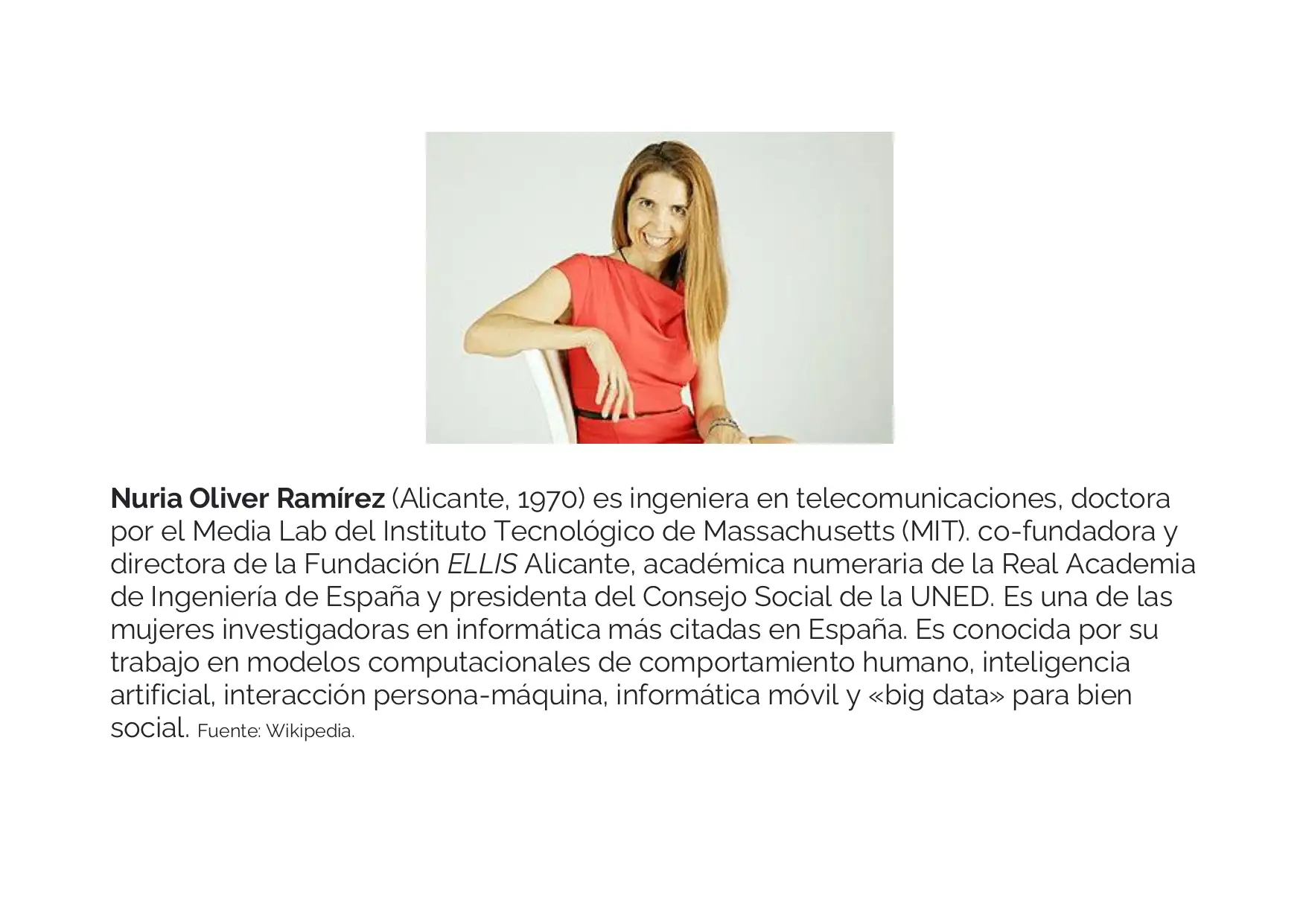
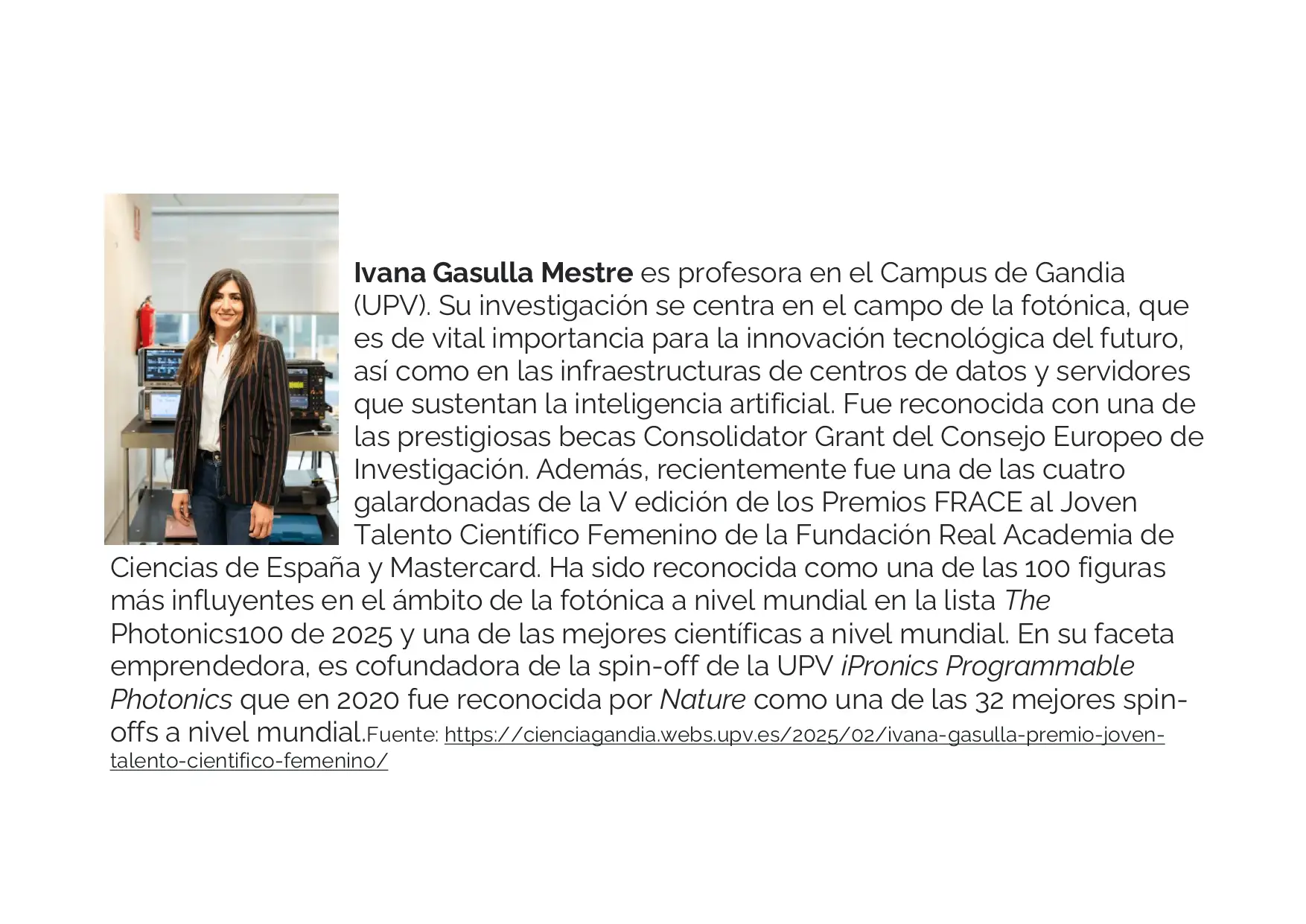
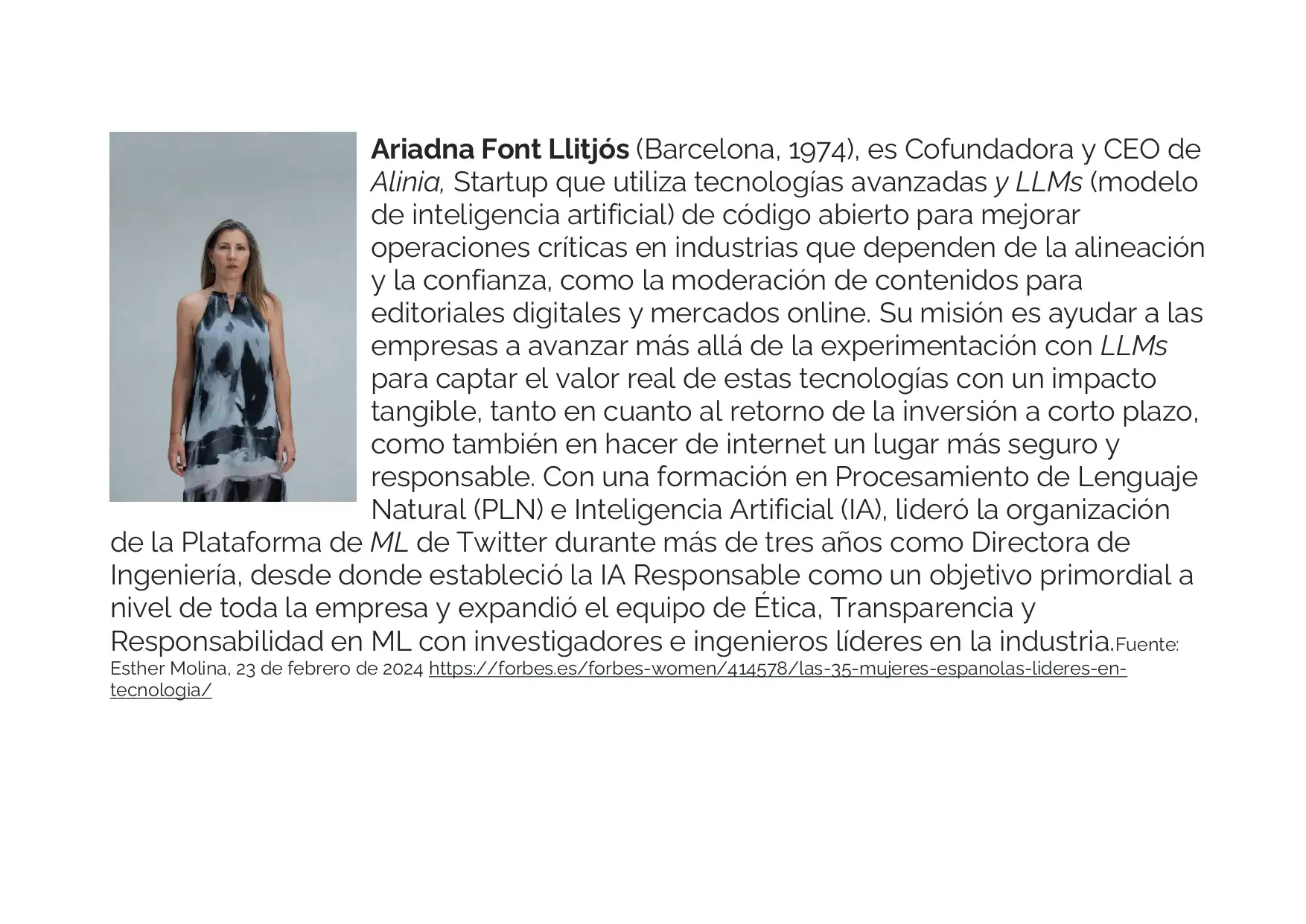
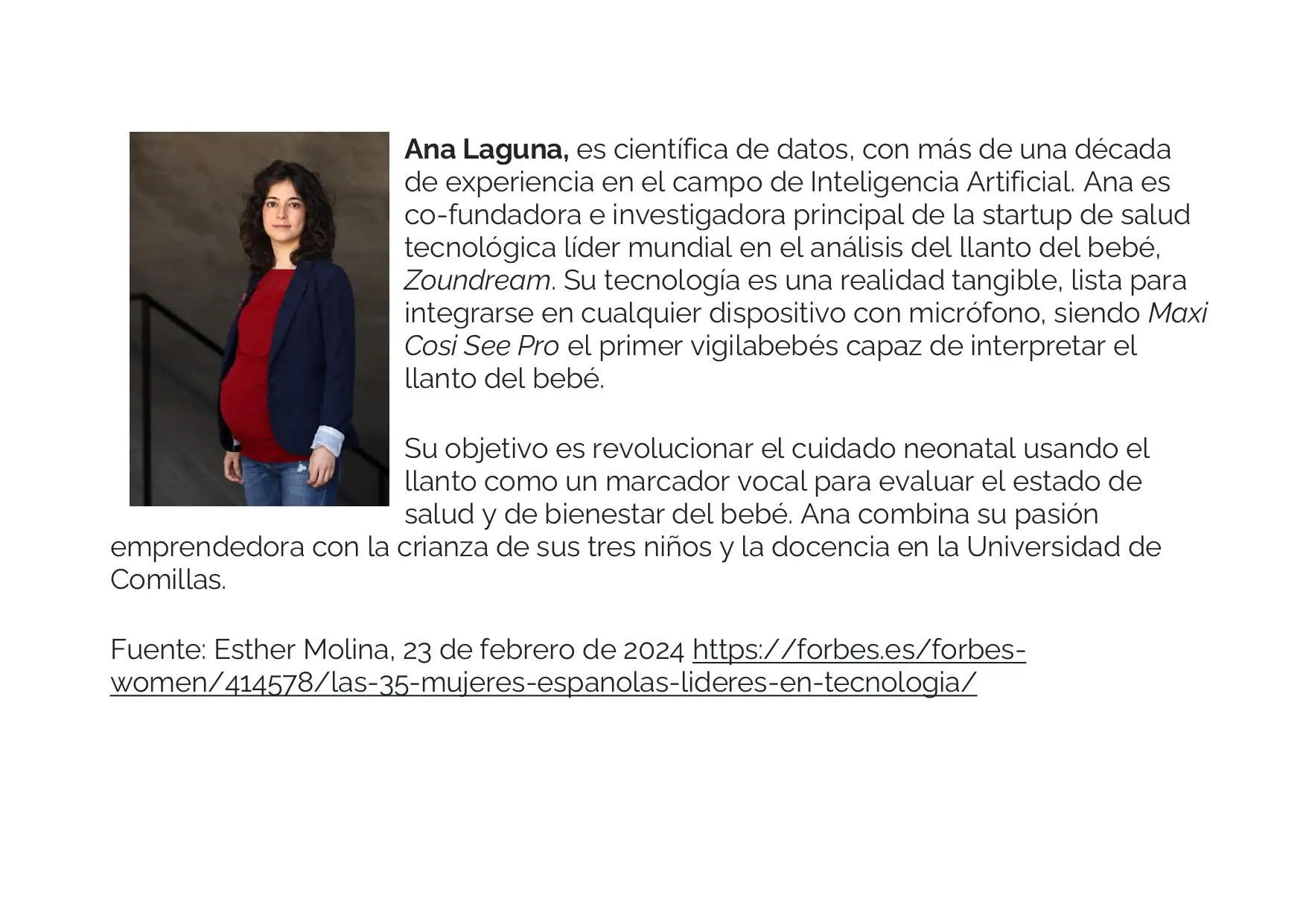
FEBRUARY 11: INTERNATIONAL DAY OF WOMEN AND GIRLS IN SCIENCE 🧪
📅 The International Day of Women and Girls in Science is an annual celebration proclaimed in 2015 by the United Nations General Assembly and is commemorated every February 11. Its objectives are:
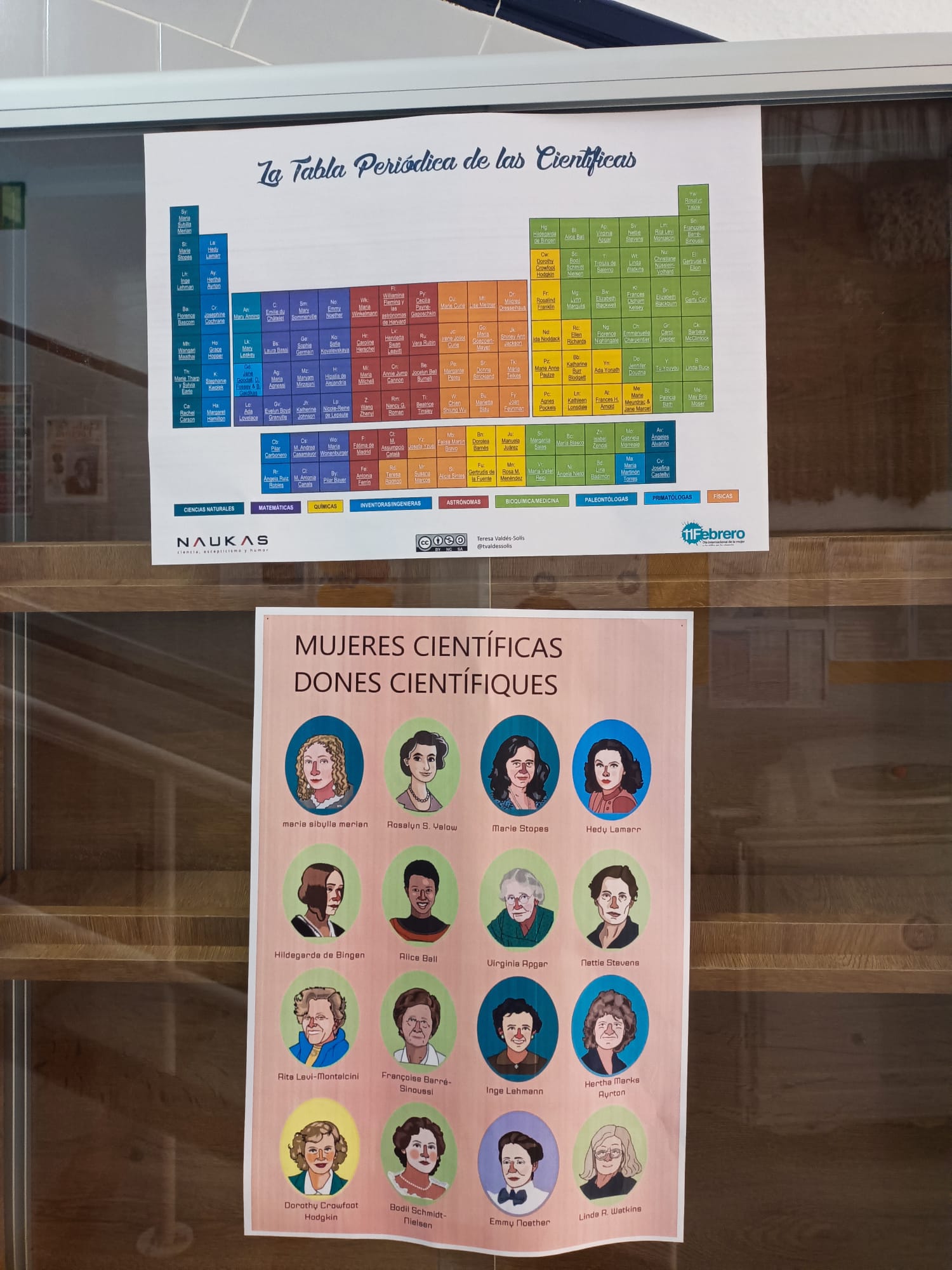
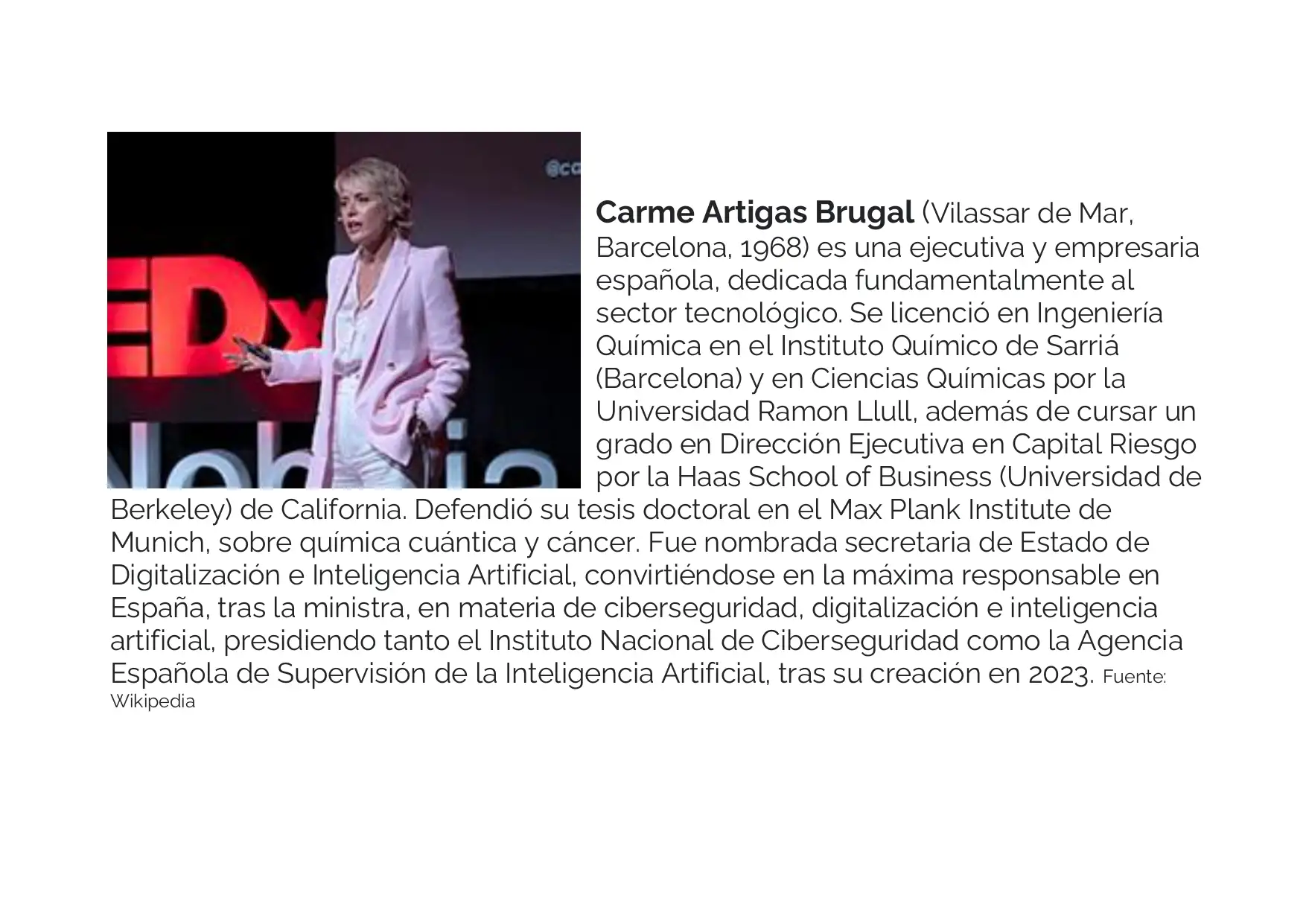
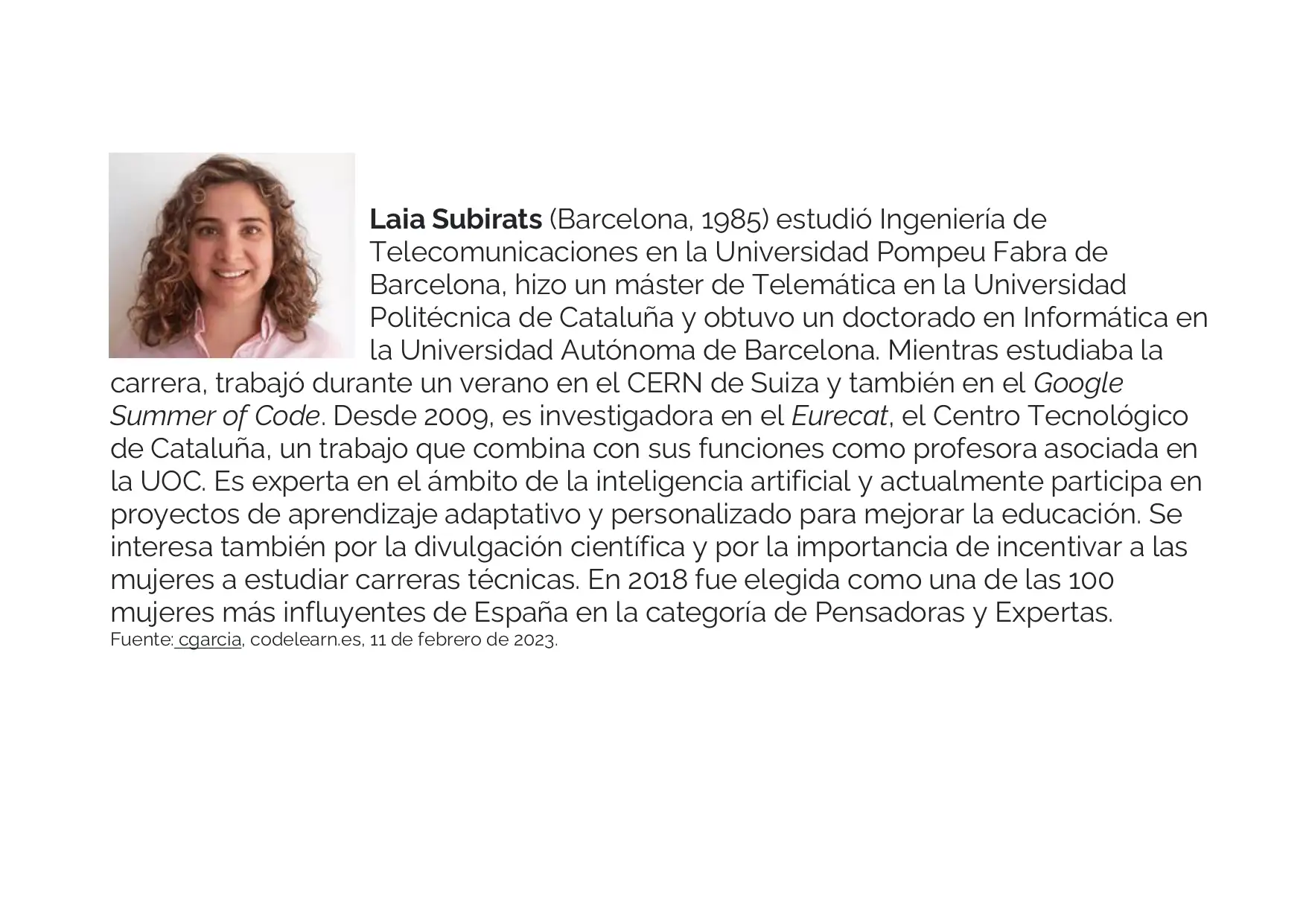
✨ To make the work of women in STEM (Science, Technology, Engineering, and Mathematics) visible, creating female role models to inspire future generations.
📢 To understand the factors affecting women in STEM and promote practices that contribute to gender equality in the scientific field.
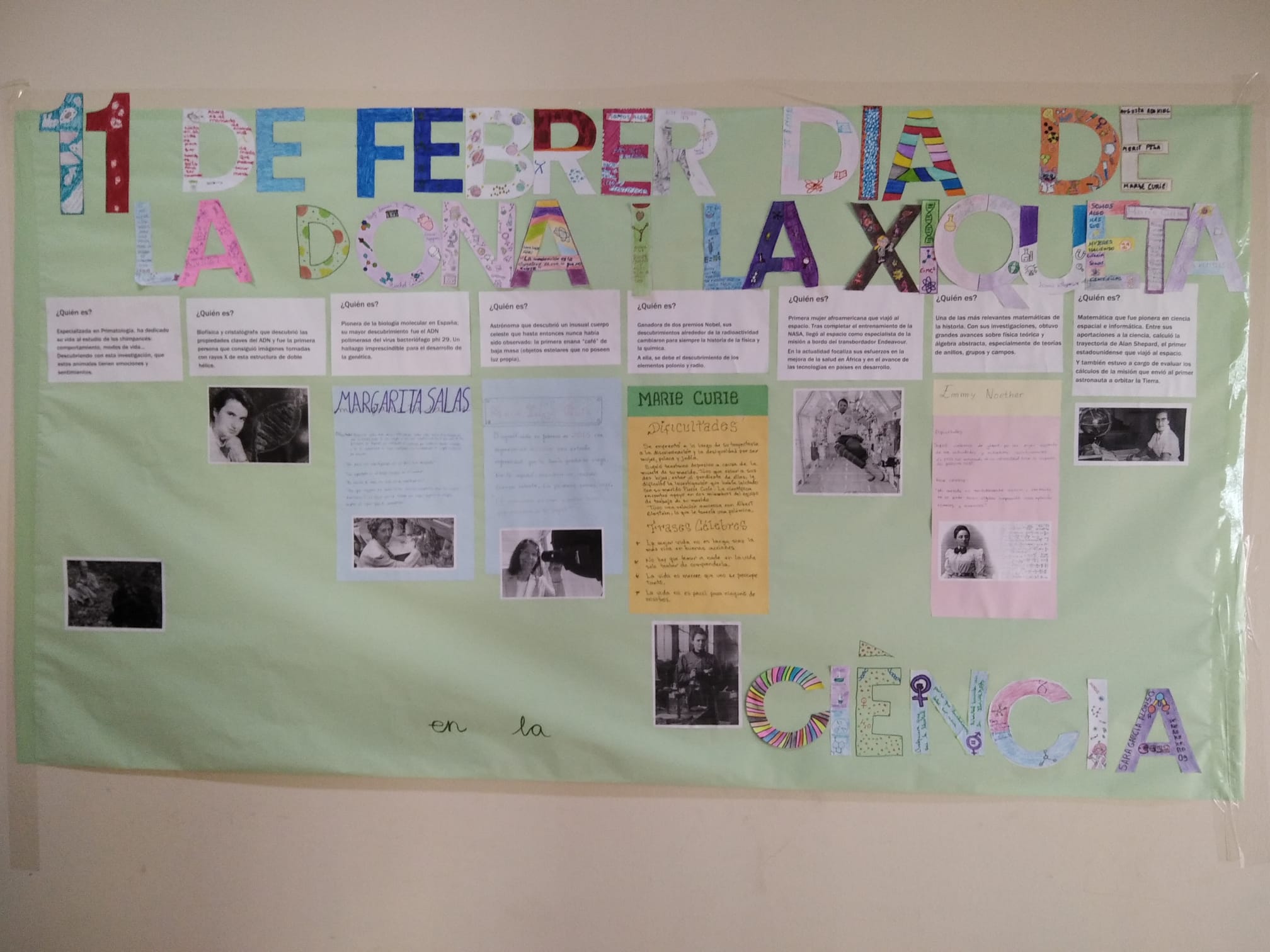
🏫 Our institution joins this initiative to raise awareness of the work of women in STEM and promote gender equality in science.
📢 On the occasion of February 11th, the International Day of Women and Girls in Science, the CFPA of Torrent is organizing a talk given by María Engracia Muñoz-Santos, researcher and PhD in Archaeology.
During the event, she will briefly talk about her professional career and deliver a lecture entitled: “Ars amatoria. Love and sex in Ancient Rome.”
📅 Tuesday, February 10th 🕕 From 6:00 to 7:00 p.m. 📍 Assembly Hall, Casa de la Cultura of Torrent
✨ We look forward to seeing you!
On February 10th, we had the privilege of hosting a lecture to mark the International Day of Women and Girls in Science, delivered by the archaeologist and researcher Mª Engracia Muñoz. After beginning her talk by sharing her experience as a student and her perseverance over ten years of hard work, she addressed the students with a very clear message: never give up and fight for what you truly want in order to go as far as you set your mind to.
The lecture, entitled “Ars Amatoria: Love and Sex in Ancient Rome,” explored the fundamental role of women in the construction of Rome—an aspect that is rarely discussed.
Throughout the talk, she explained some of the apparent contradictions within Roman society: female chastity was exalted, while male adultery was normalized. We examined how the Romans understood desire, fidelity, and power within marriage. In Rome, marriage was above all a public institution and a social contract. It was not based on romantic love, but on offspring, stability, and the consolidation of political and family alliances.
Lineages and networks of power were united, often through arranged marriages agreed upon from childhood. The woman contributed the dowry and the legitimacy of the children; the man provided lineage, prestige, and social and political status. Although love was not the primary objective, it did exist in Rome. Poems, graffiti, and epitaphs testify to deep affection. Some marriages developed strong bonds over time, such as that of Julia, Caesar’s daughter, and Pompey.
Female sexuality was also addressed, understood within marriage and oriented toward procreation. For the Romans, sex within the home was something natural, even sacred—a gift from the gods. Passion was to remain in the private sphere, as self-control and decorum were valued in public.
Through the analysis of Pompeian frescoes, such as those from the Villa Farnesina or the so-called “Aldobrandini Wedding,” we discovered how art represented marriage by linking pleasure, fertility, and ritual in scenes rich in symbolism, helping us to better understand their view of love and married life.
Without a doubt, it was a fascinating lecture that allowed students to reflect on history, women in Antiquity, and the evolution of our own conceptions of love and marriage.
PICTURE GALLERY
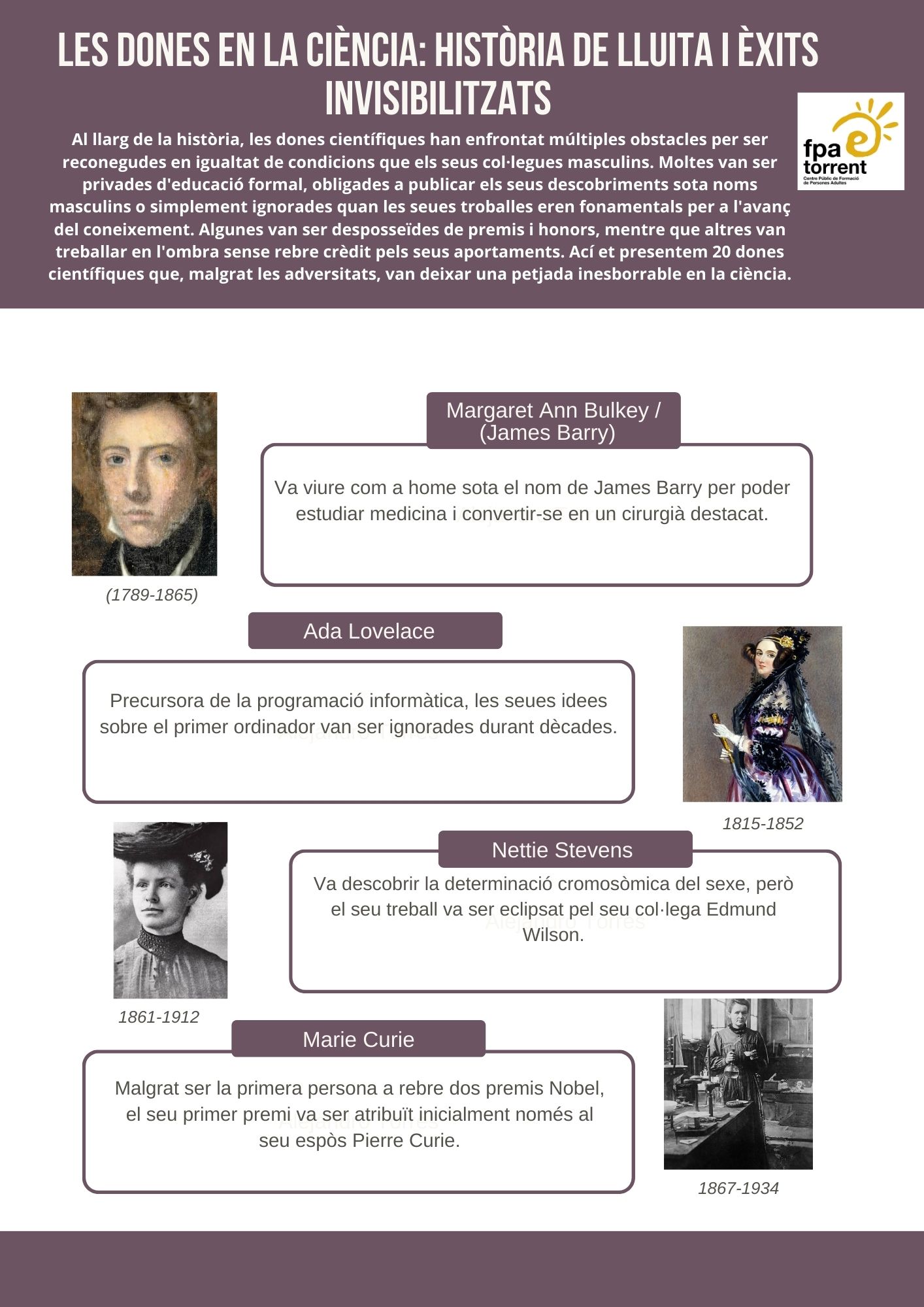
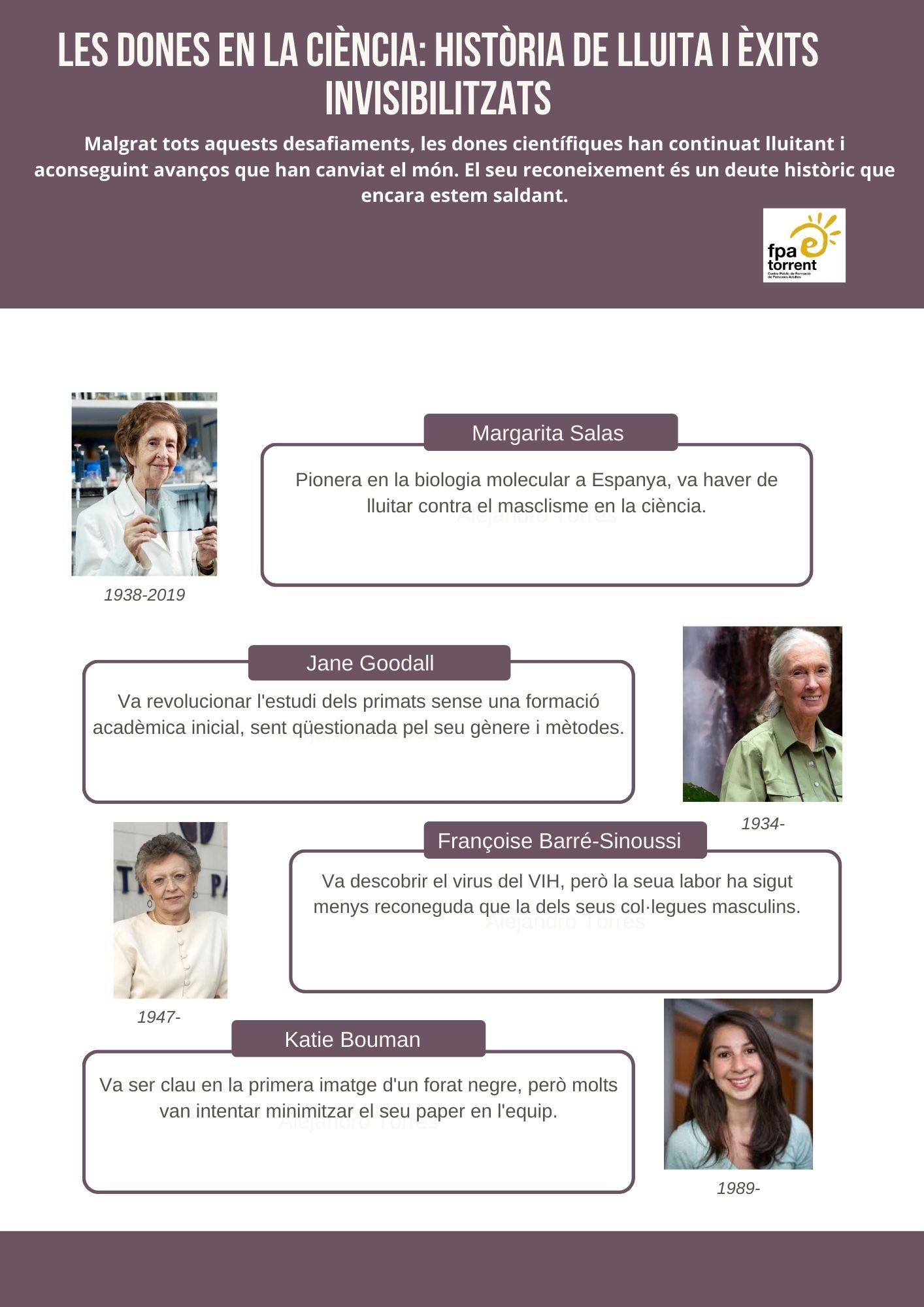
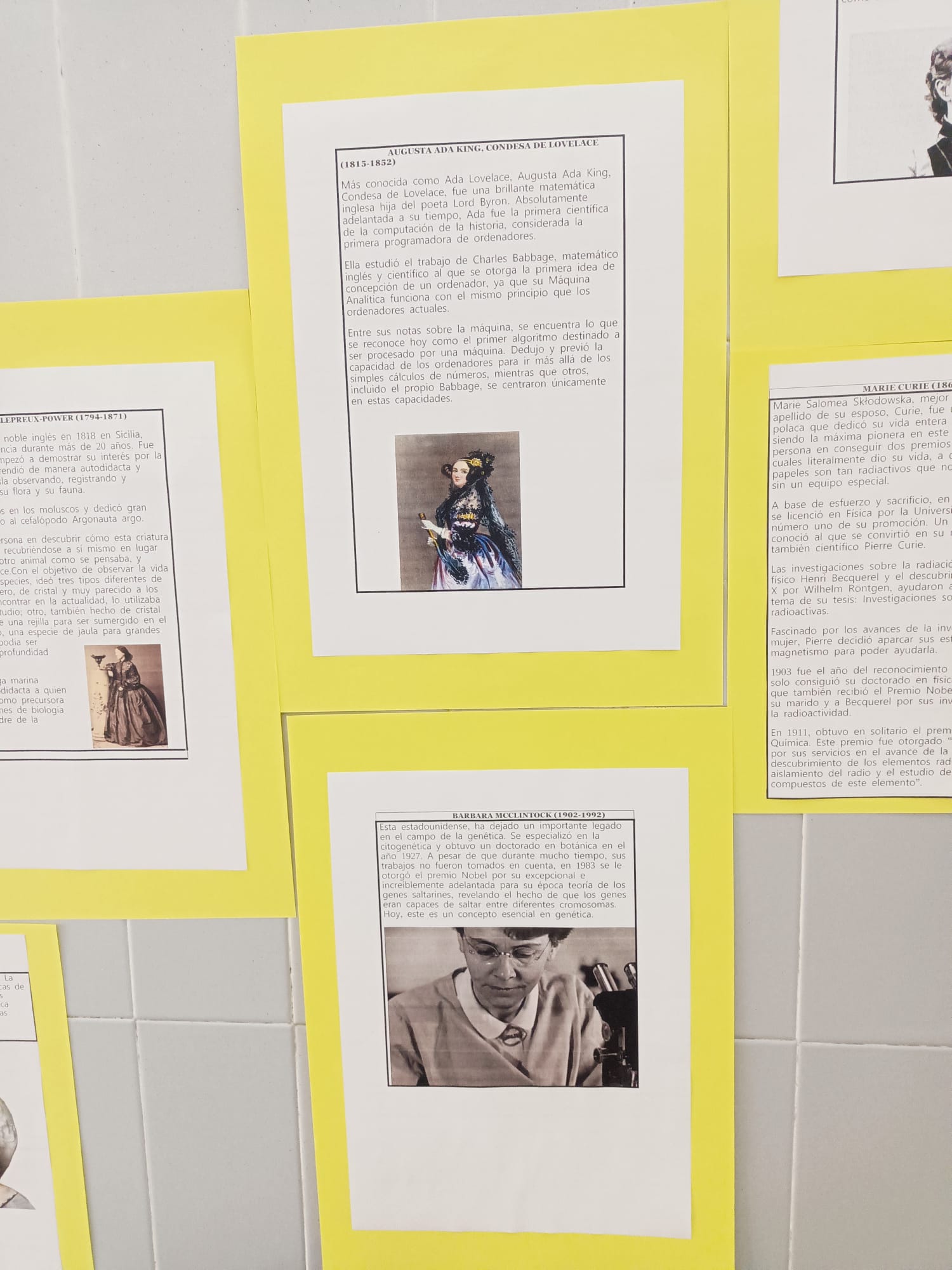
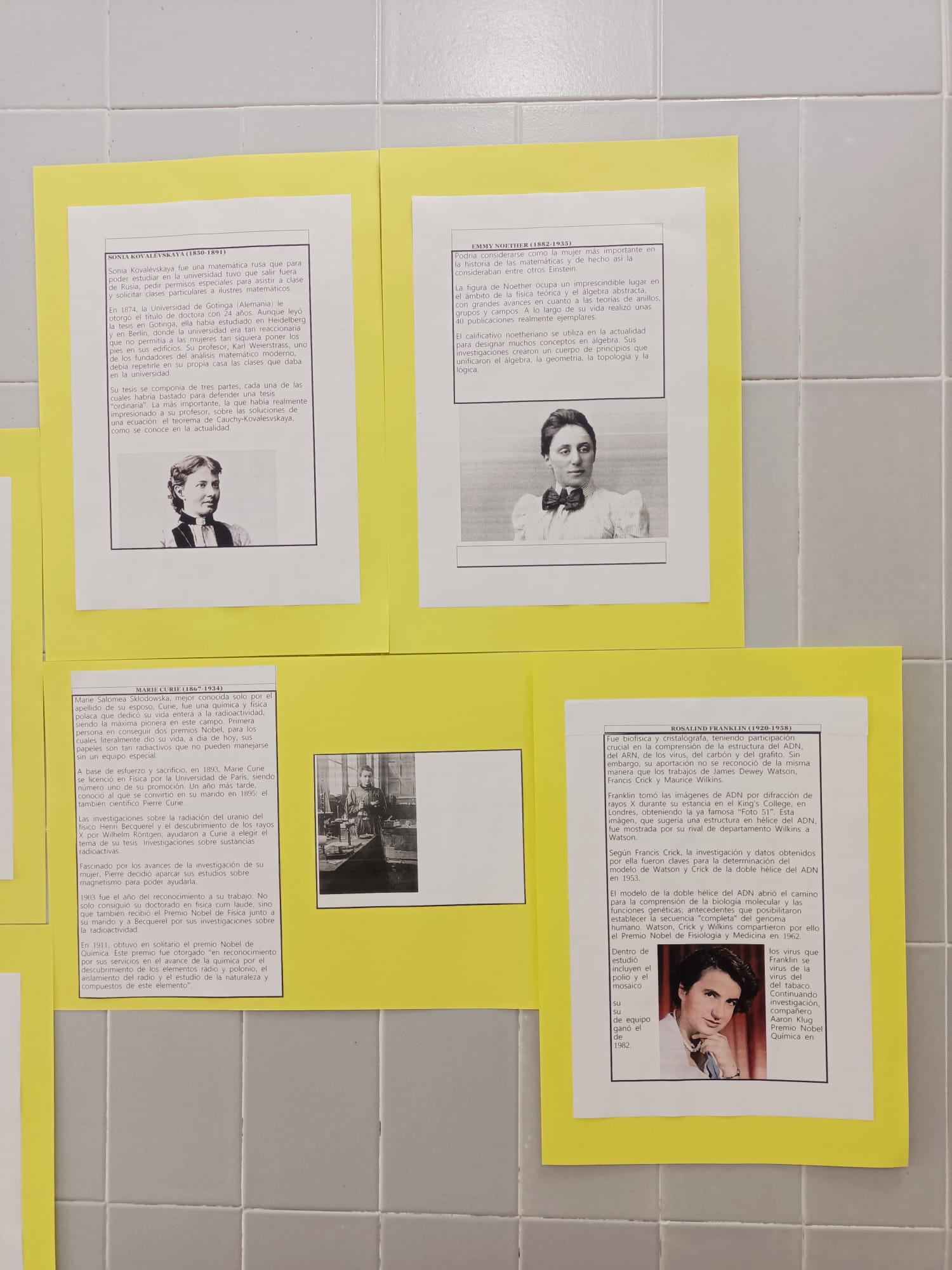
Cartell dones científiques
Cartell dones científiques
Cartell dones científiques
Cartell dones científiques
Cartell dones científiques
Activity
Activity
Activity
Activity
caretll9
46017663
Avís de privacitat
Este lloc web utilitza només cookies tècniques necessàries per al seu funcionament. No s’emmagatzemen dades amb finalitats publicitàries ni es comparteixen amb tercers. S’utilitza analítica interna sense cookies, i només es recull la IP amb finalitats de seguretat.