


CLIMATE ACTION PROJECT 25-26: C3 INTERACTION
WEEK 3
It’s time to gear up for Week 3! After learning about the causes and effects during the past two weeks, we are now ready to start considering impact at local and global levels.
TASK:
Week 3: From local to global with Virtual exchanges
We have been learning about causes and effects locally. Now it’s time to learn what is happening in other areas in the world. While some may suffer from floods, others may encounter hurricanes, drought, rising sea levels, wildfires, or other effects. This week, you can connect with peers in other schools/countries. We call those Virtual Interactions.
Next steps:
- Check out the lesson plan for Week 3: New resources and classroom activities.
- Check the weekly contributions from at least two other schools here. It is crucial to learn from other participants’ findings.
- Schedule a virtual interaction with another school. Our platform allows you to invite other teachers here. You can do a new request by selecting “New Virtual Interaction” or scroll down and find other schools’ requests. Did you know you can even visualise all of these on a map?
- We’d love to see some pictures frorm your experience. Feel free to share a picture of your students’ work. You can find these here.
- Start using the EarthProject app with your classroom this week!
TASK PLANNING:
Dates: October 13 – October 19
Objective:
During Week 3, taking advantage of our participation in the eTwinning project Green Digital Citizen – Today, Tomorrow, Always, students decided to focus on a problem shared with other partner countries: electronic waste (e-waste). The goal was to understand how this issue affects both local and global levels and to promote responsible digital and environmental citizenship.
Activities:
- We watched several videos about the environmental impact of electronic waste and how it can be managed sustainably.
- Students created their own definitions of what e-waste is and why it represents a growing environmental problem.
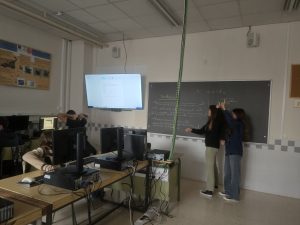
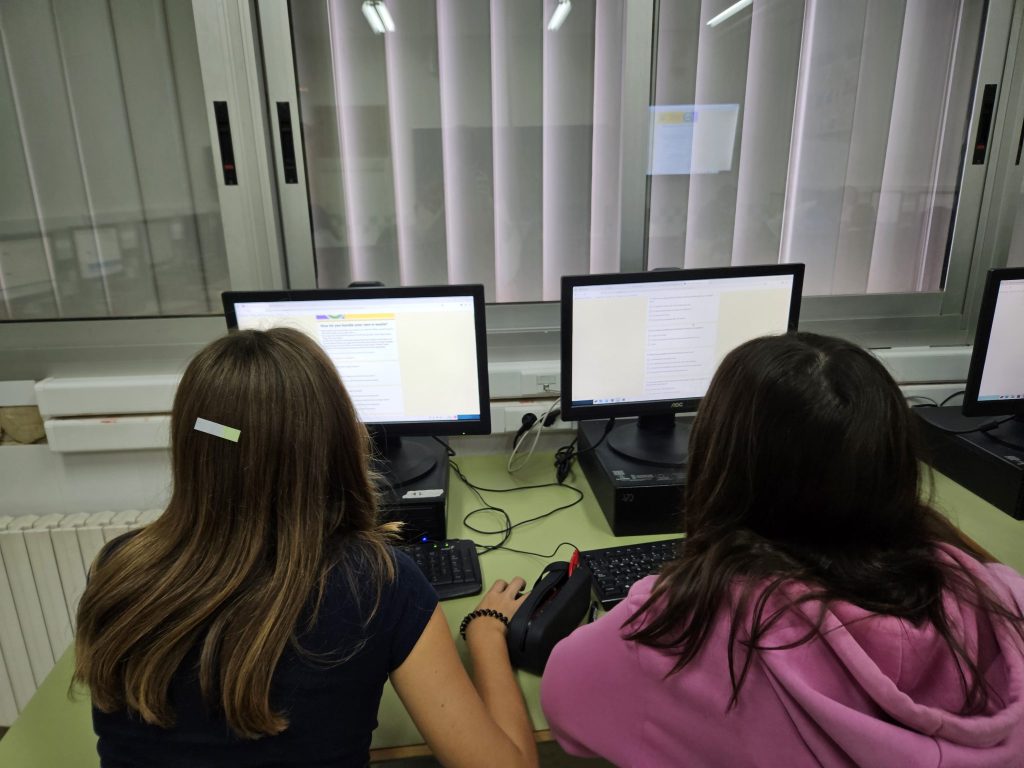
- In groups, they designed a questionnaire to find out how electronic waste is managed in different countries.
- This questionnaire was shared with partner schools from the eTwinning project, encouraging idea exchange and international collaborative learning.
- Finally, students reflected on ways to reduce device consumption, reuse materials, and promote more responsible technology use.
ACTIVITY RESULT:
Outcome:
✅ From Local to Global
Students understood that electronic waste is a shared global challenge, and that international cooperation and small everyday actions can make a difference for a more sustainable future.
🌍 Join us: www.climateactionproject.org
#ClimateActionEdu @ClimateActionED @TakeActionEdu

 Anterior